Leaving our home away from home and into El Salvador

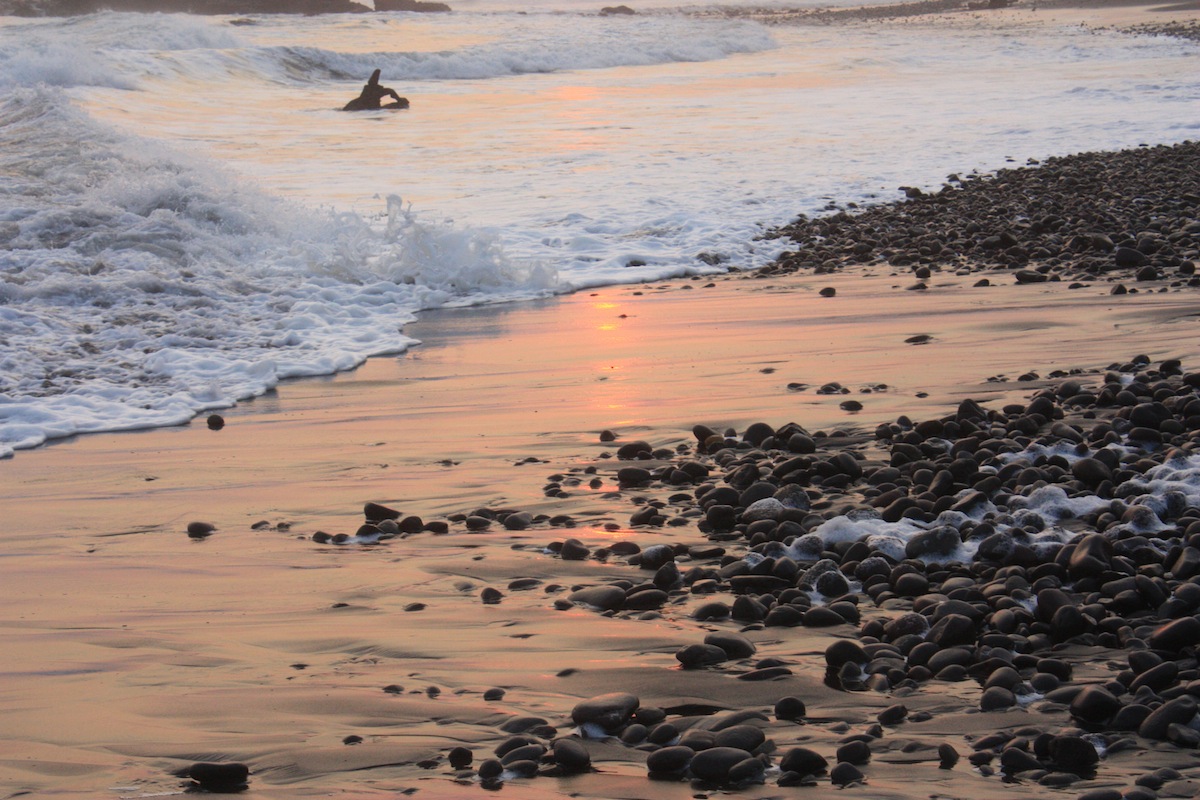
I had mixed feelings about packing up and leaving our little apartment in Antigua, Guatemala and heading to El Salvador. I was ready for a new adventure after conquering 3 weeks of Spanish, but sad to be leaving a town that I fell in love with. Our first stop was Playa El Tunco on the Pacific. El Tunco is a little commercialized black sand surf community with lots of overpriced food and lodging options. The waves were massive, but for those of us who are not surf inclined and prefer to frolic in the waves, I wouldn’t recommend it. The beach is covered with smooth black rocks, which are pushed up and down the beach with incoming and outgoing waves. You can imagine how hazardous this can be on your ankles when you’re standing in the shallow water. G and I did have good fun getting a little carried away playing in the black sand though.

Up next were some colonial towns off the coast, Concepcion de Ataco, Juayua and Suchitoto. Ataco and Juaya are part of the Salvadorian Ruta de Las Flores known for gastronomic festivals every weekend. On the road there, we were introduced to a new method of livestock transport (see photo below). Once there, although G didn’t try the more adventurous dishes like barbecued iguana or frog skewers, we did have stacks of pupusas filled with cheese, beans, meat and hot peppers. We did hear that iguana tastes like chicken, who knew.

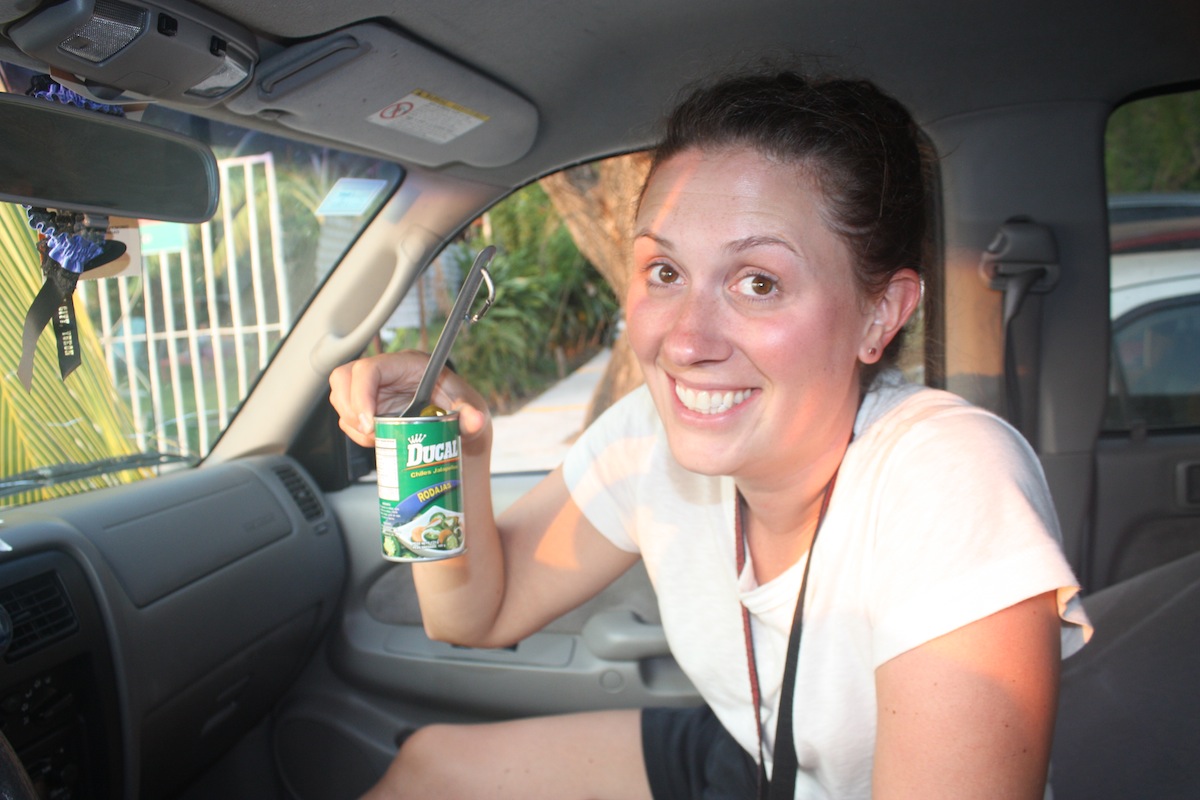
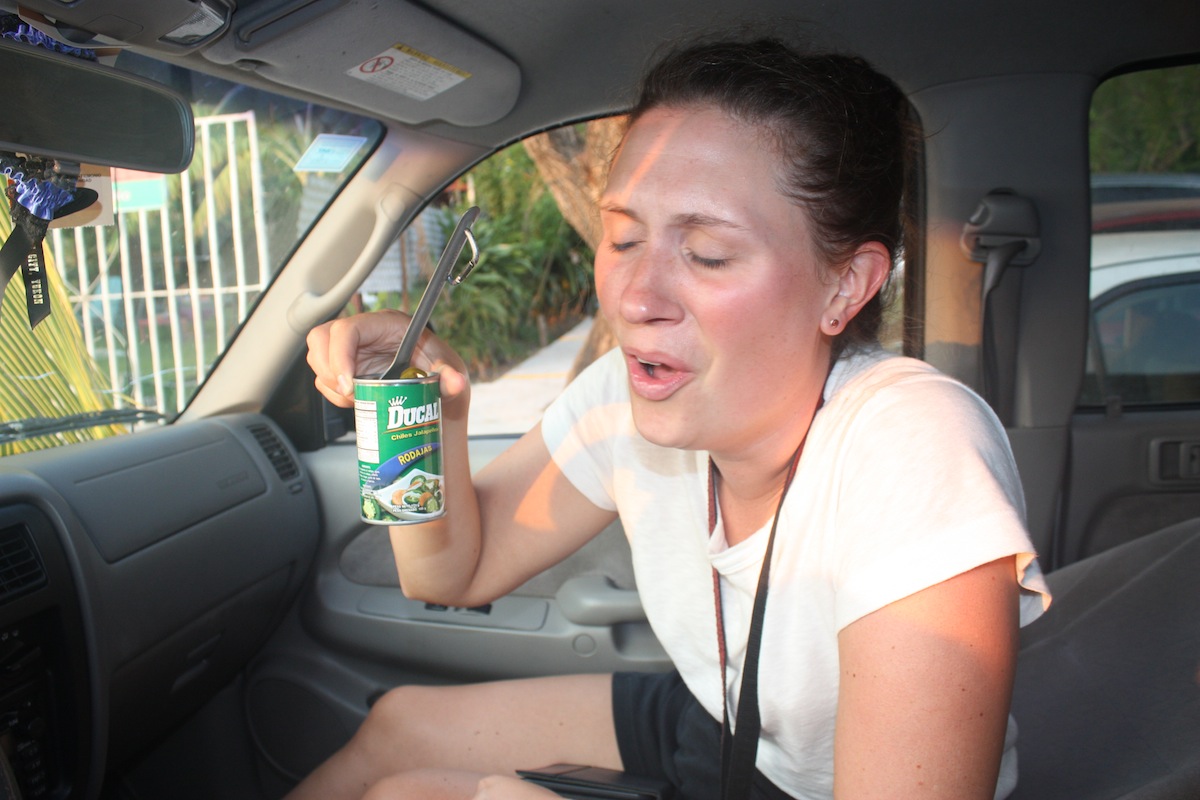
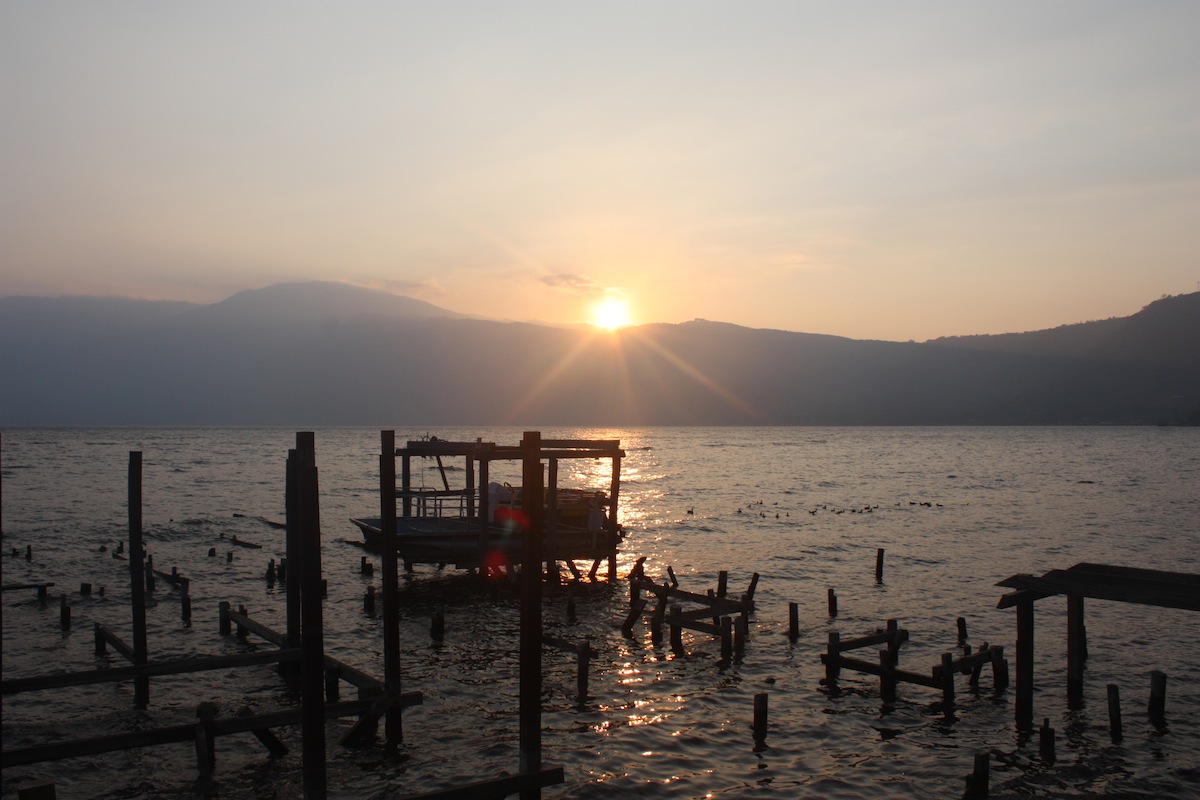
On the way to Suchitoto, we slept in the parking lot of a large restaurant on Lago de Coatepeque. The place was bursting with locals enjoying the lake. I had picked up a can of fermented vegetables to snack on. I’m a fan of the Bulgarian version called turshiya (vegetables preserved in vinegar – very tasty). The Salvadorian version however was ridiculous hot. Needless to say, the can got tossed out. While having breakfast on Sunday morning before taking off for the next stop, there was a baptism in the lake next to the restaurant. Wonderful to see how the lake is incorporated into all aspects of life. Suchitoto was another pretty little town. It was a tad quiet for us, but we did roll in during mid day heat.

 

Guatemala to El Salvador Border Crossing

We made it successfully into El Salvador.  We left this morning from Monterrico, Guatemala and headed to Playa El Tunco in El Salvador.  El Tunco is a popular surfing destination in El Salvador.  The most convenient border crossing was La Hachadura.  This is the western most crossing between Guatemala and El Salvador.
The border crossing took us less than two hours.  People were very friendly and most of the border officials could speak English.  I am happy to say that our Spanish lessons in Antigua came in really handy as well.  If you are a traveler out there and are about to cross the border at La Hachadura, you should know that there were basically no other cars.  There were tons of trucks, but besides us, there was only one other guy on a motorcycle from BC, Canada going down to Panama.  Since you are in a different queue from the trucks it was very easy to just drive around the line of trucks to the front.  The only thing we paid for was a $5 USD carretera tax on the El Salvador side.  We had read about this tax on other blogs so we expected to have to pay it.  By the way, I would recommend against using ‘helpers’ on the border (we did fine without any).  The border is small, so even if you are confused, walking from building to a building is as simple as crossing a small street.
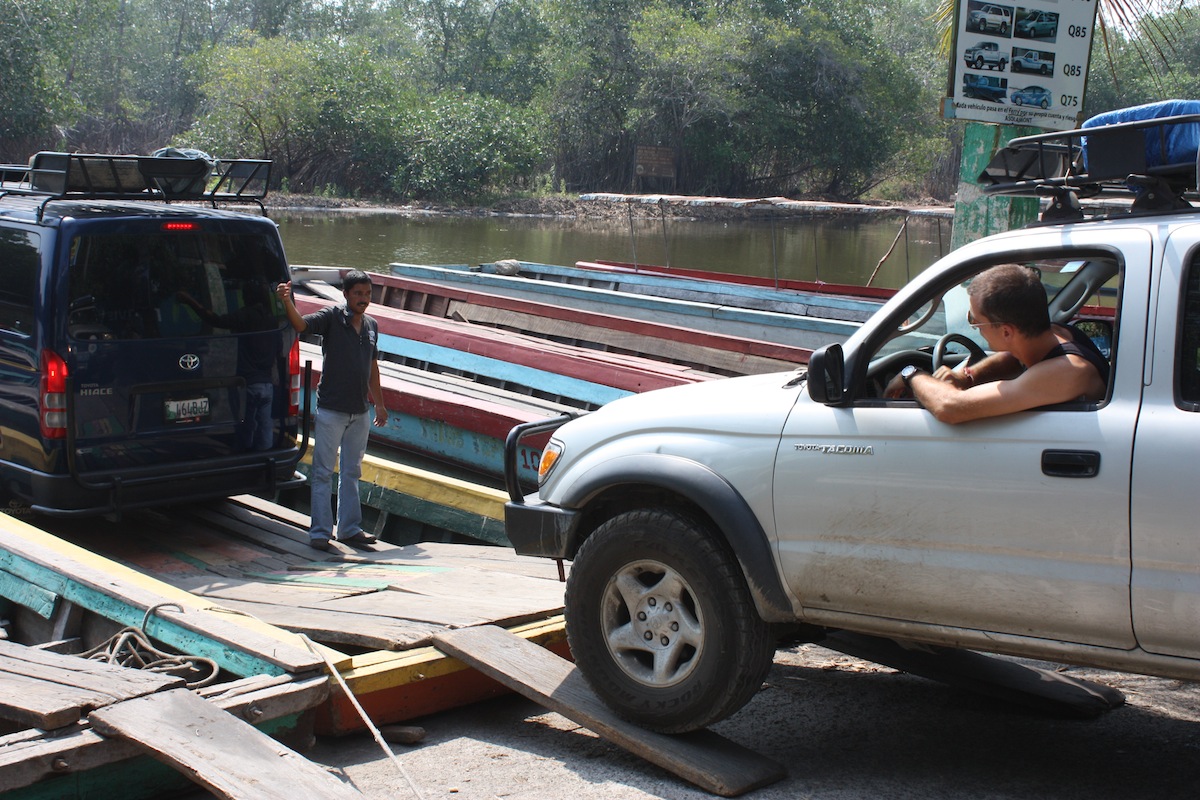
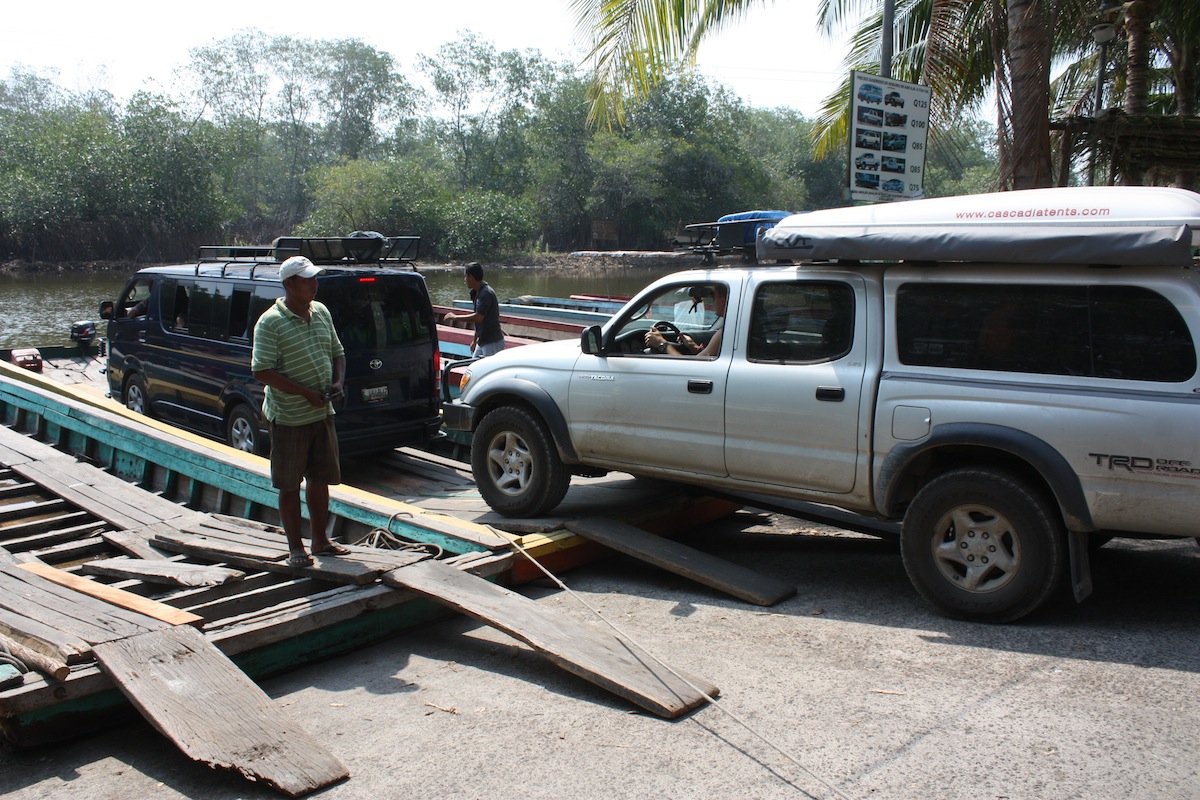
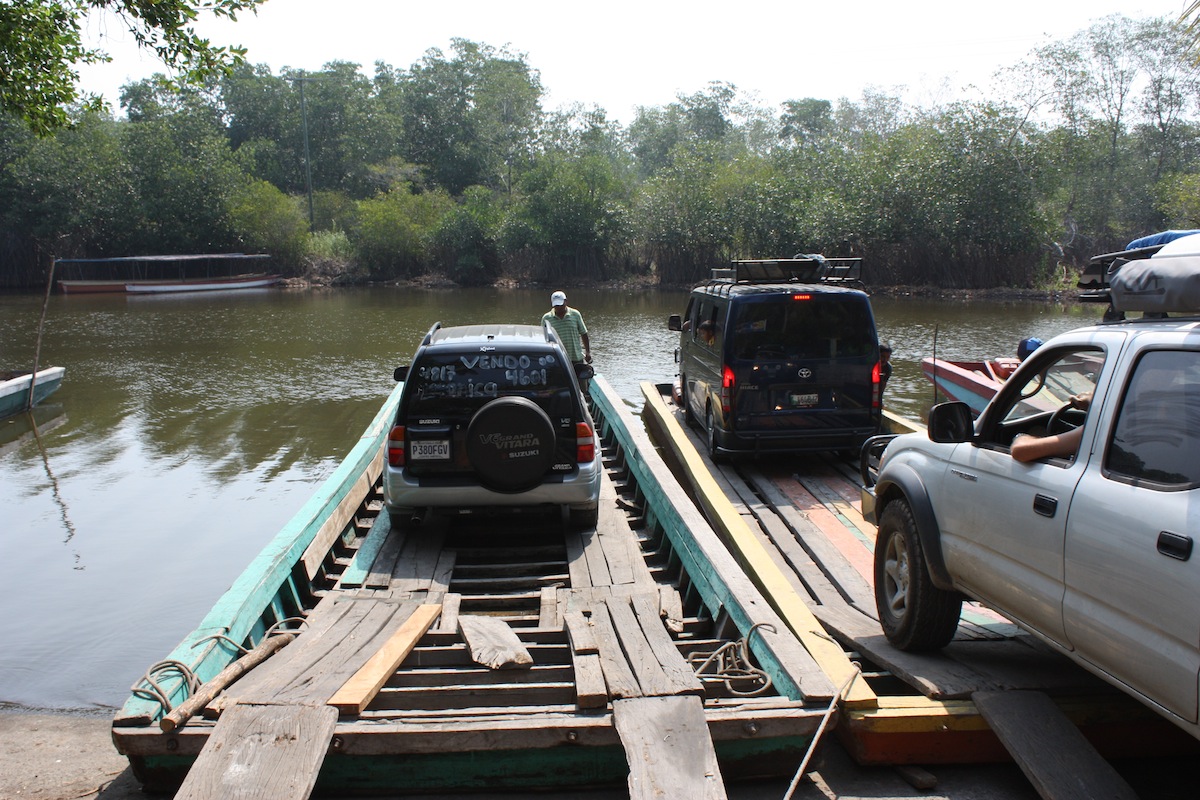
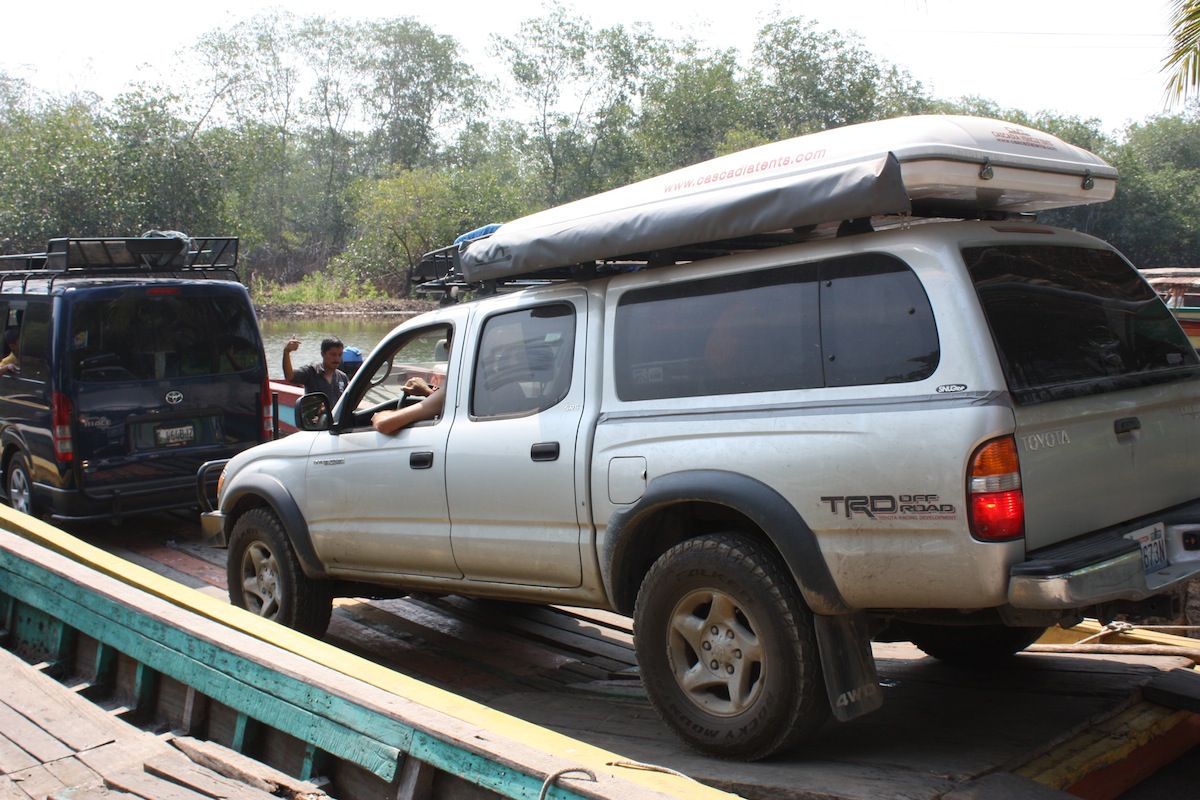
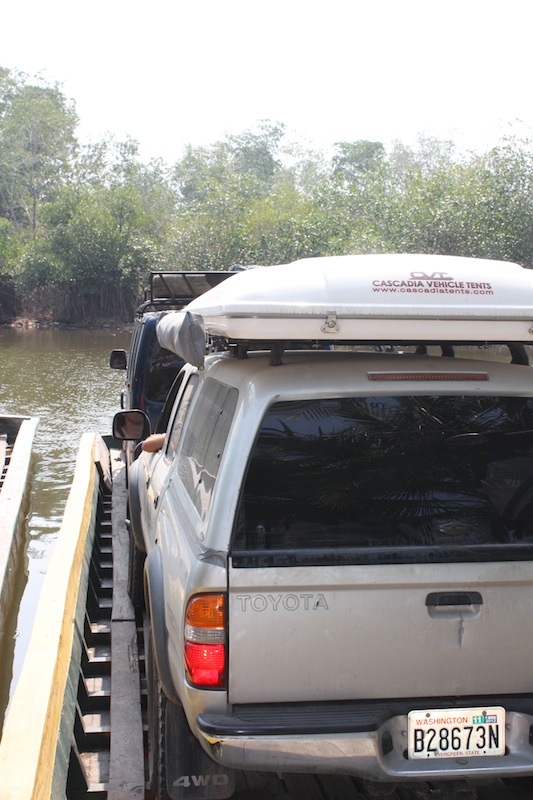
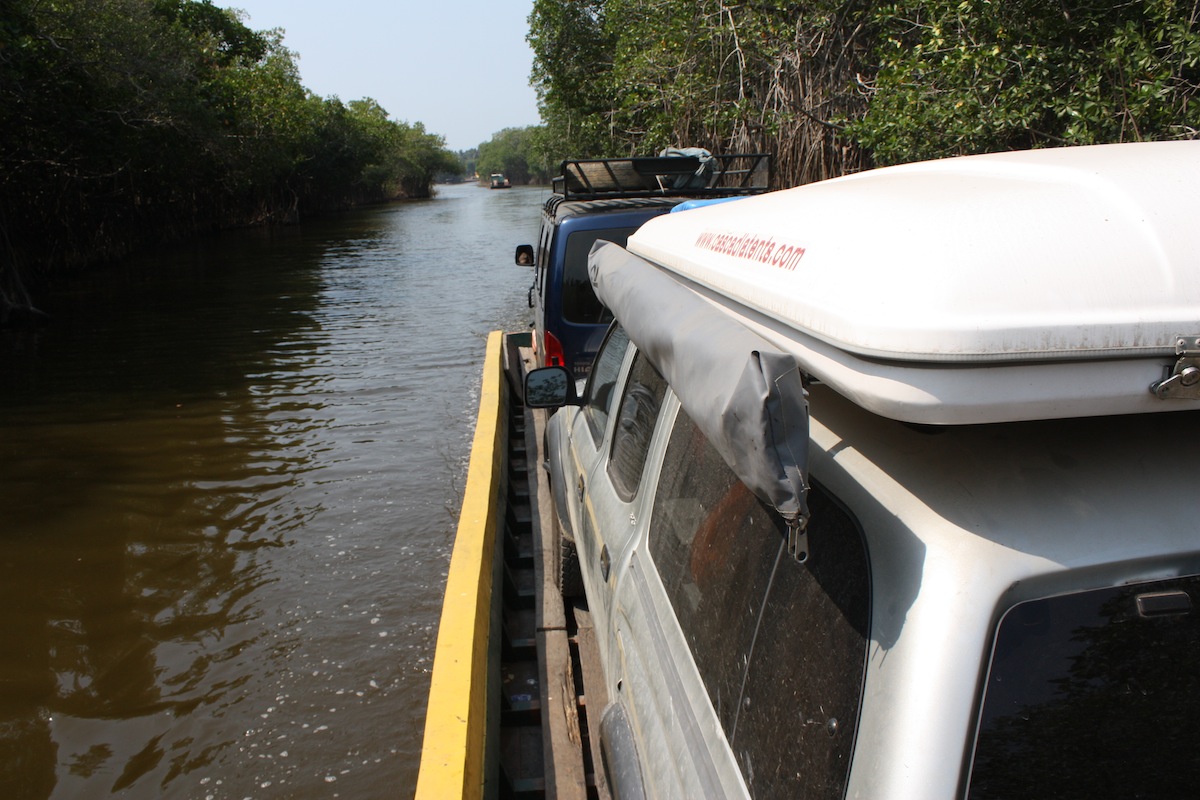
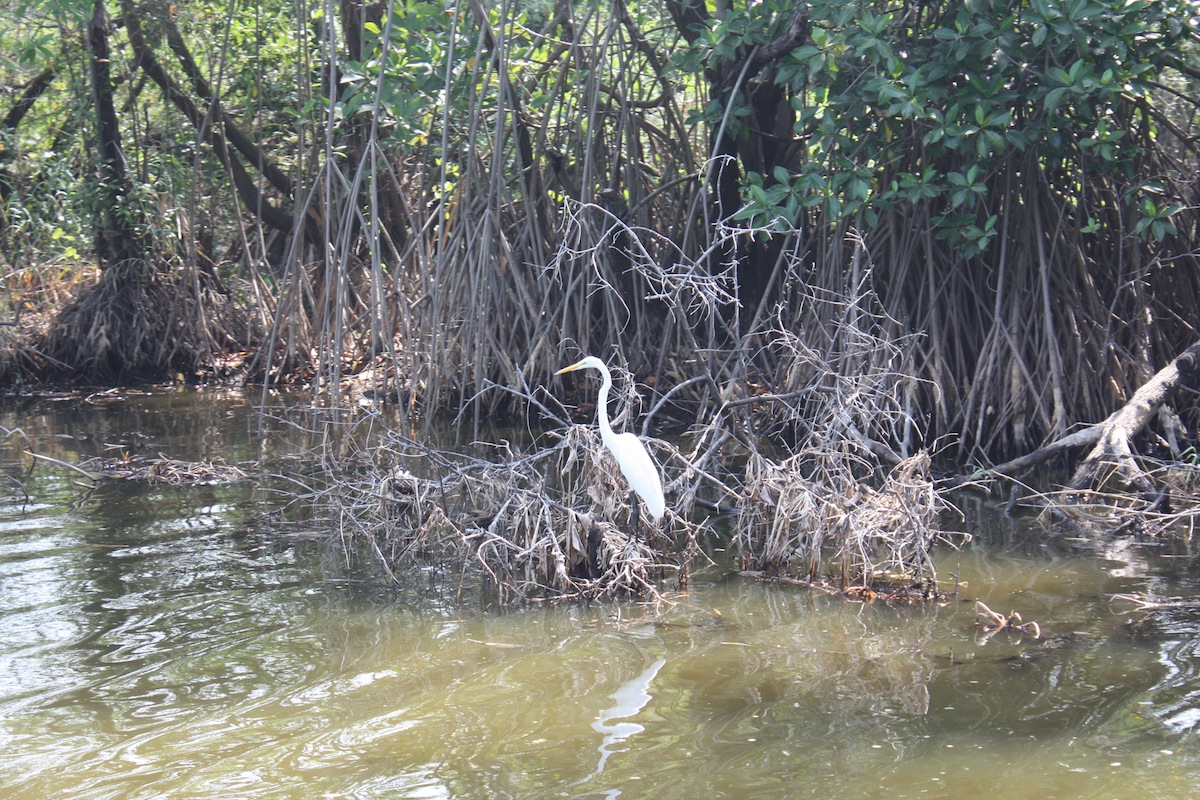
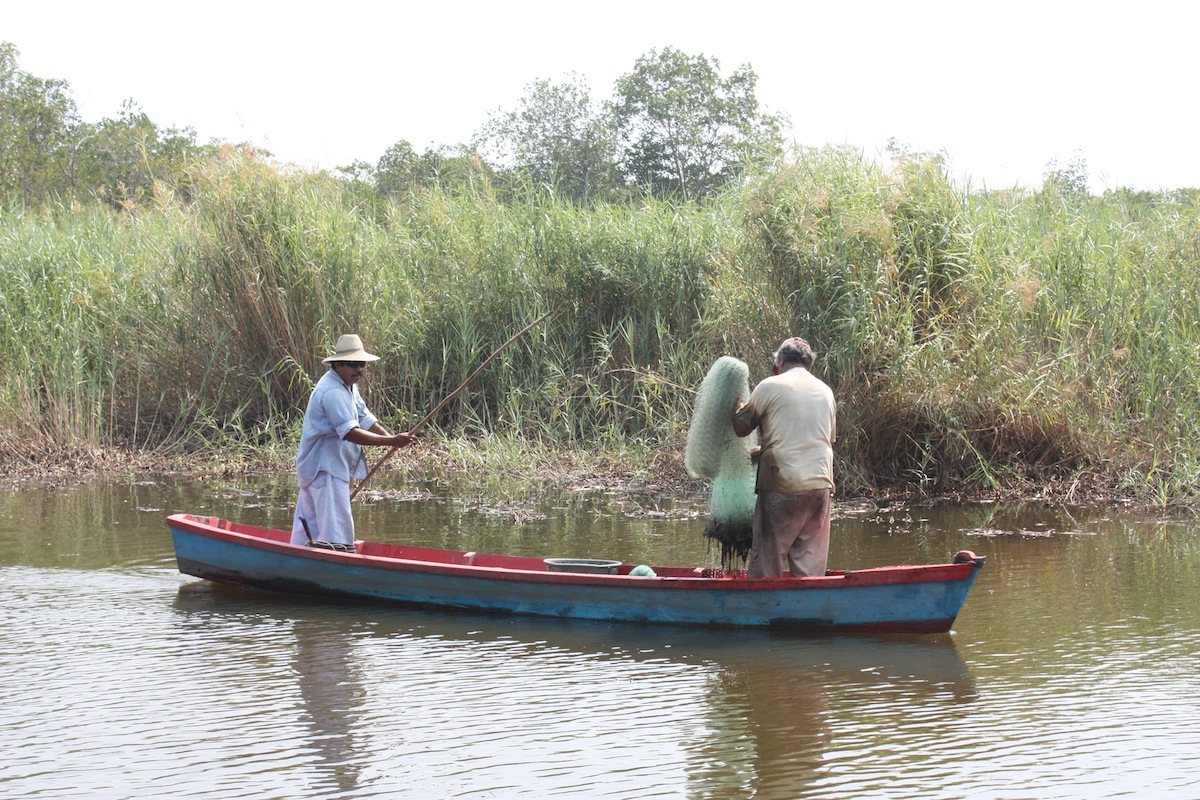
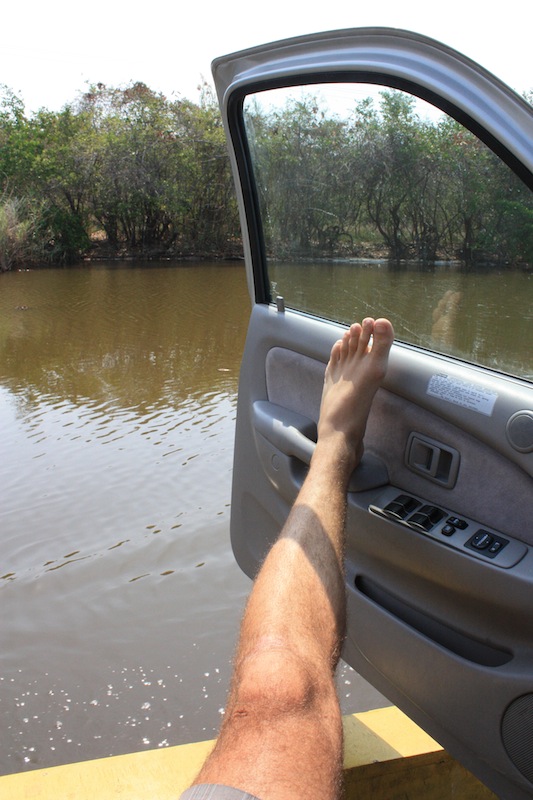
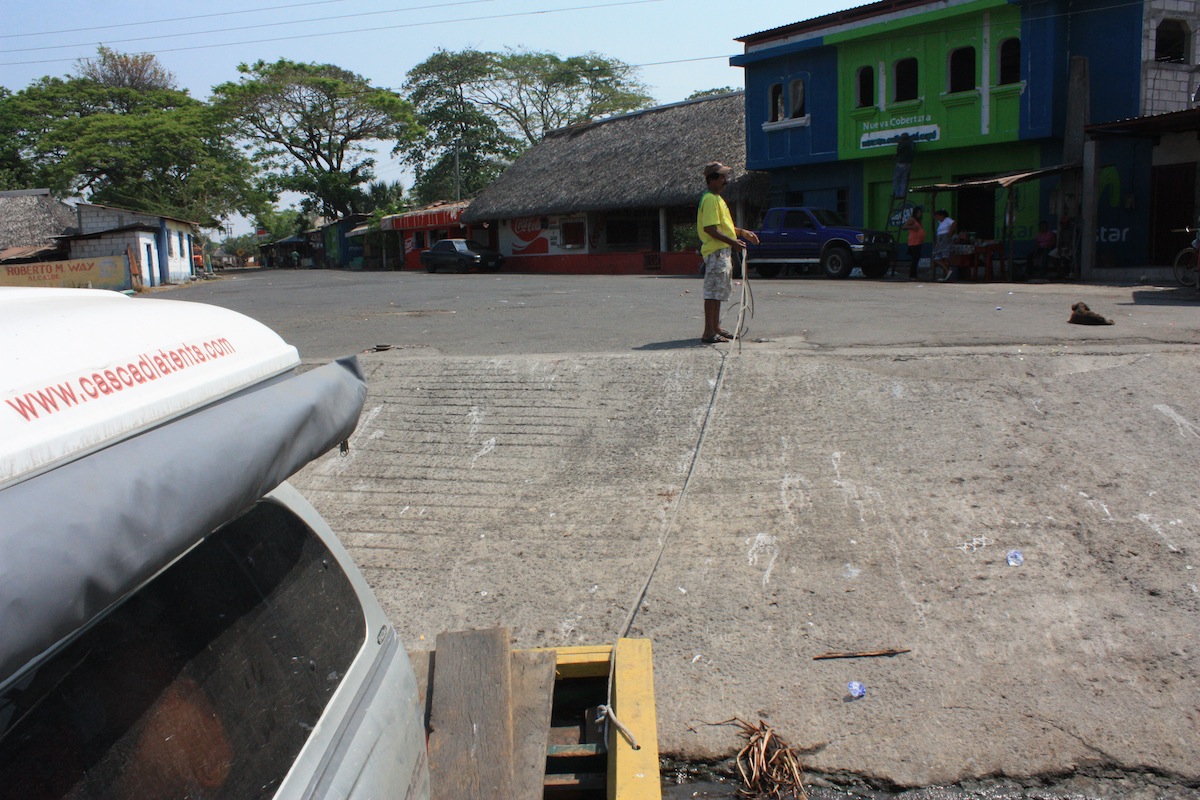
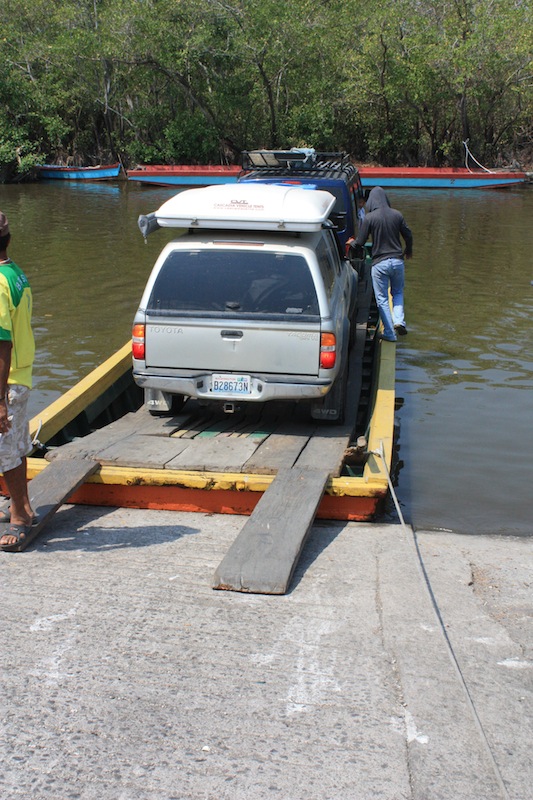
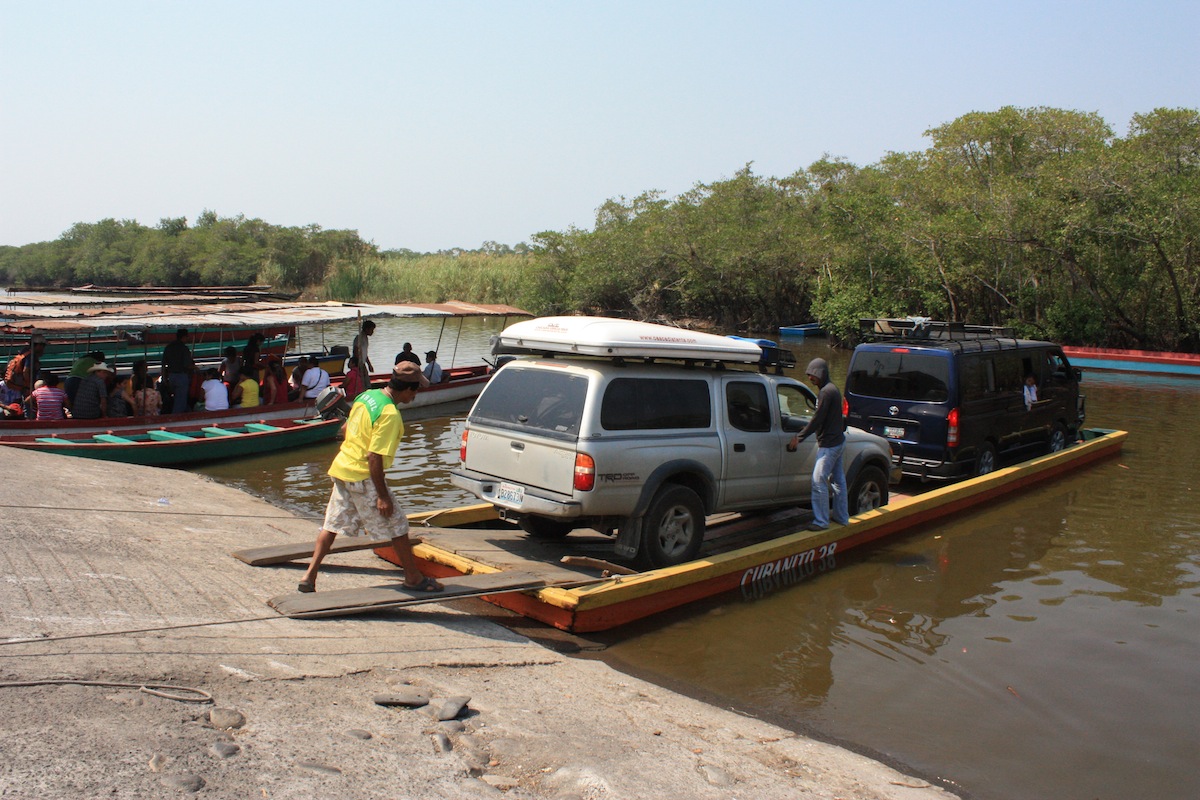
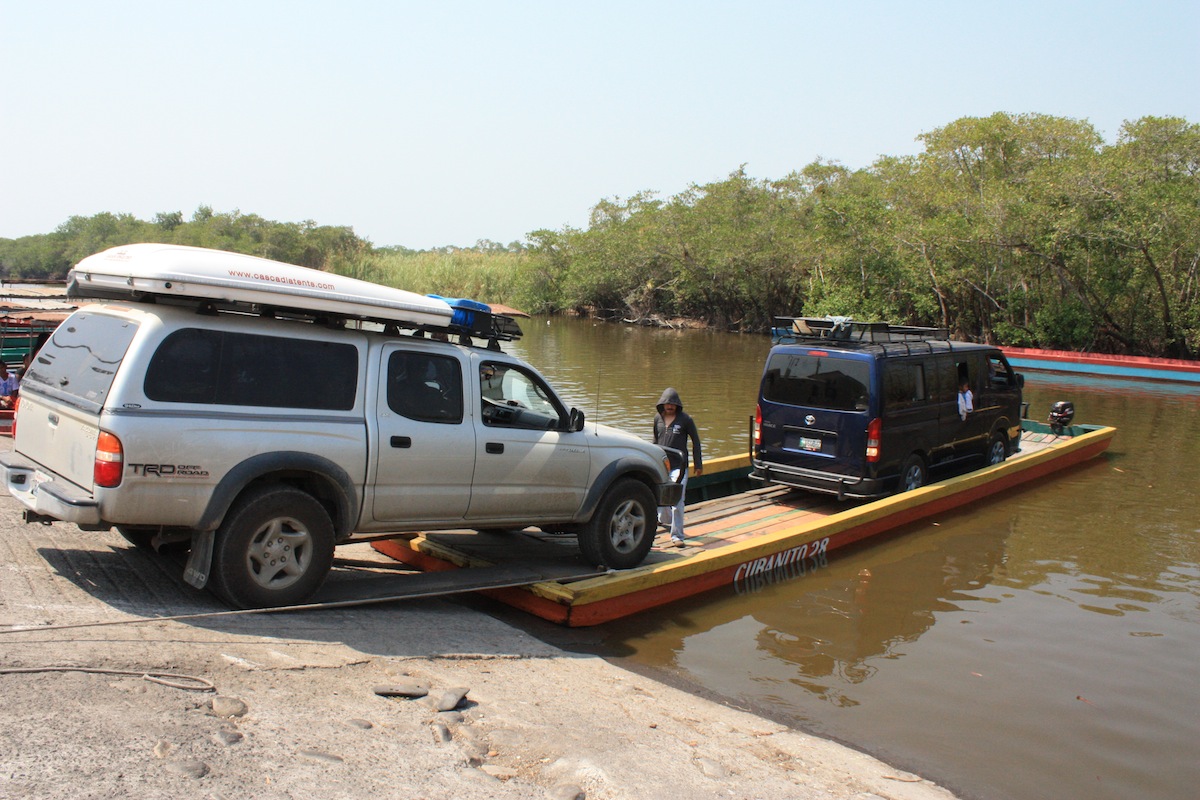
The highlight of the day was getting on the sketchiest car ferry ever …  There are two options to go from Monterrico to El Salvador.  The first is to drive back North the way we came.  The second option is to take ‘a small ferry’ for $10 USD.  The second option would save us over 100 miles of driving so we opted immediately for the so called ‘ferry’.  The cable ferries in Yukon are luxury cruises in comparison to what we got on.  And, yes, we had to get out of this thing in reverse … Oh, and did I mention that while we were floating down the canal, the outboard motor kept stalling.  The prop would stop every so often (probably from being wrapped in seaweed).  The guy would just lift the outboard out of the water and clean the prop by hand while the ‘ferry’ drifted in whichever direction.  By the way, we saw anther ferry going in the opposite direction.  There was a guy bailing with a little bucket… I guess it could be worse :).

We had another fun experience that day.  Two miles outside the border in El Salvador we got pulled over by 3 cops.  These guys were real cops, but they had no reason to stop us.  It was more than clear they were looking for a way to get money out of us.  After all, we had just crossed the stupid border 2 miles ago … probably our paperwork is fine …  Anyways, we played very unfriendly with them and when they wanted passports etc we gave them only photocopies.  The whole time I had the driver’s window only 4 inches down … After a five minutes of head scratching on what to do with us, they let us go.  No money paid, no harm done.

We made it to a pretty surfing beach.  We are staying at a spartan bungalow with private bathroom.  The weather is +35C.  Water is super warm as well.  The plan is … well we don’t have a plan at the moment.  The only certain thing is that we will be moving quickly out of El Salvador towards Nicaragua.  We will probably cross Honduras without sleeping in the country.


Alfombras (sawdust carpets)

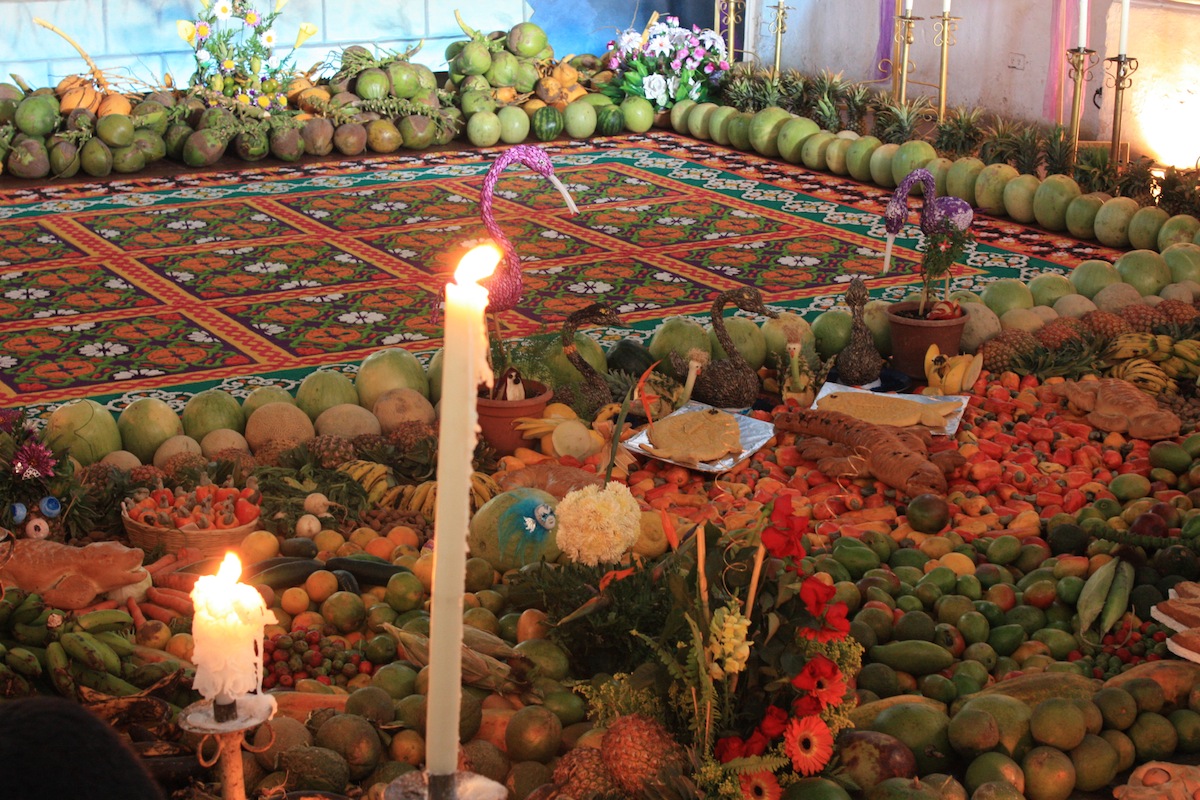
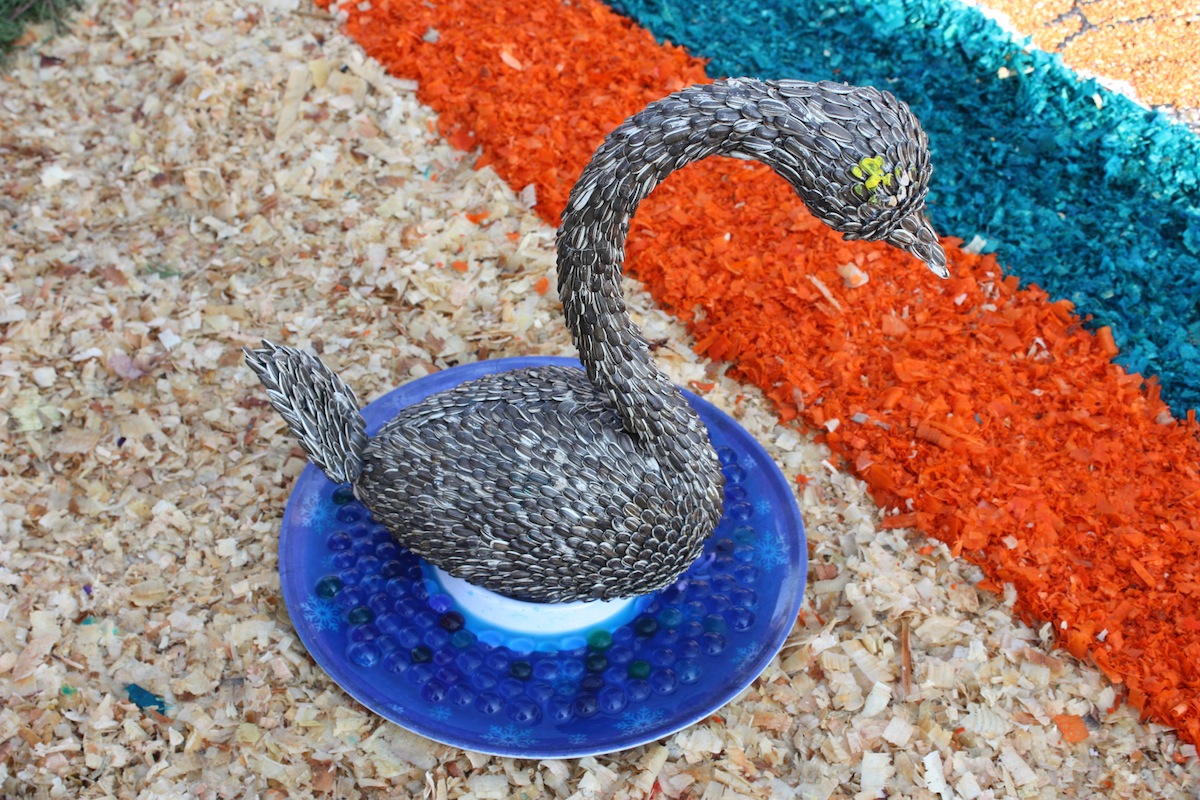
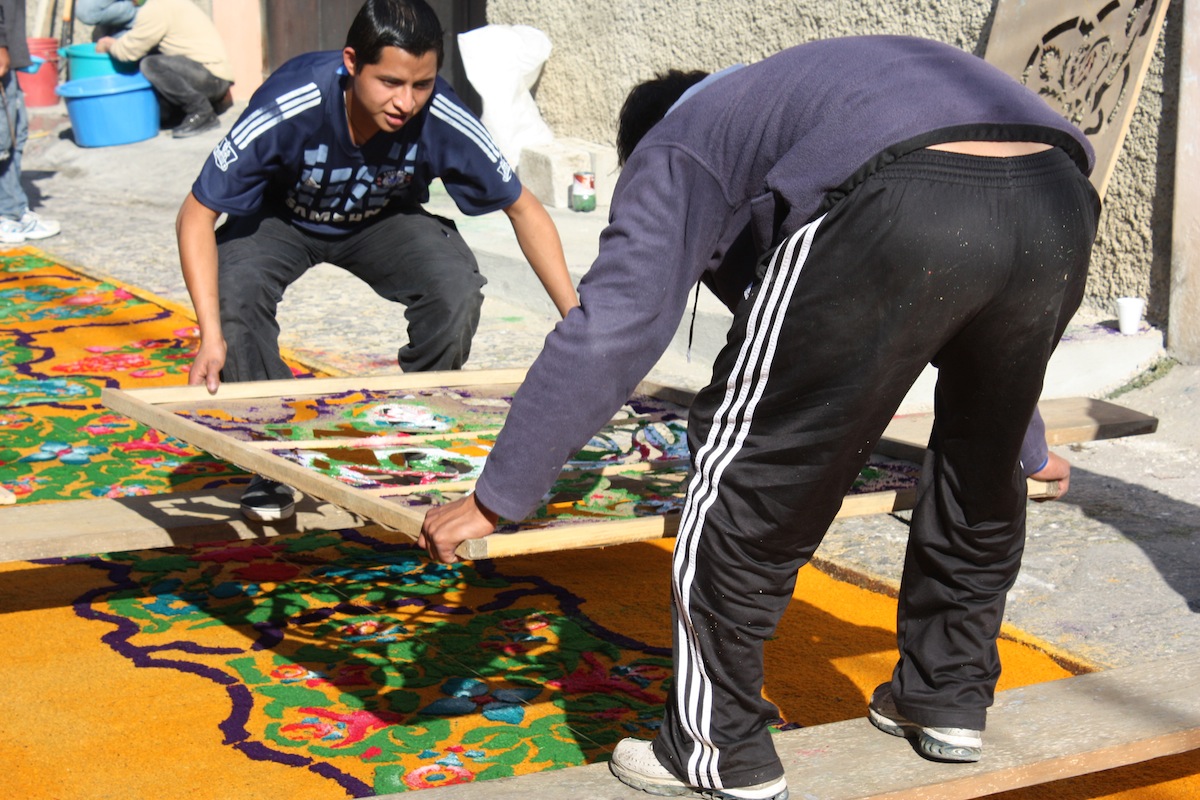
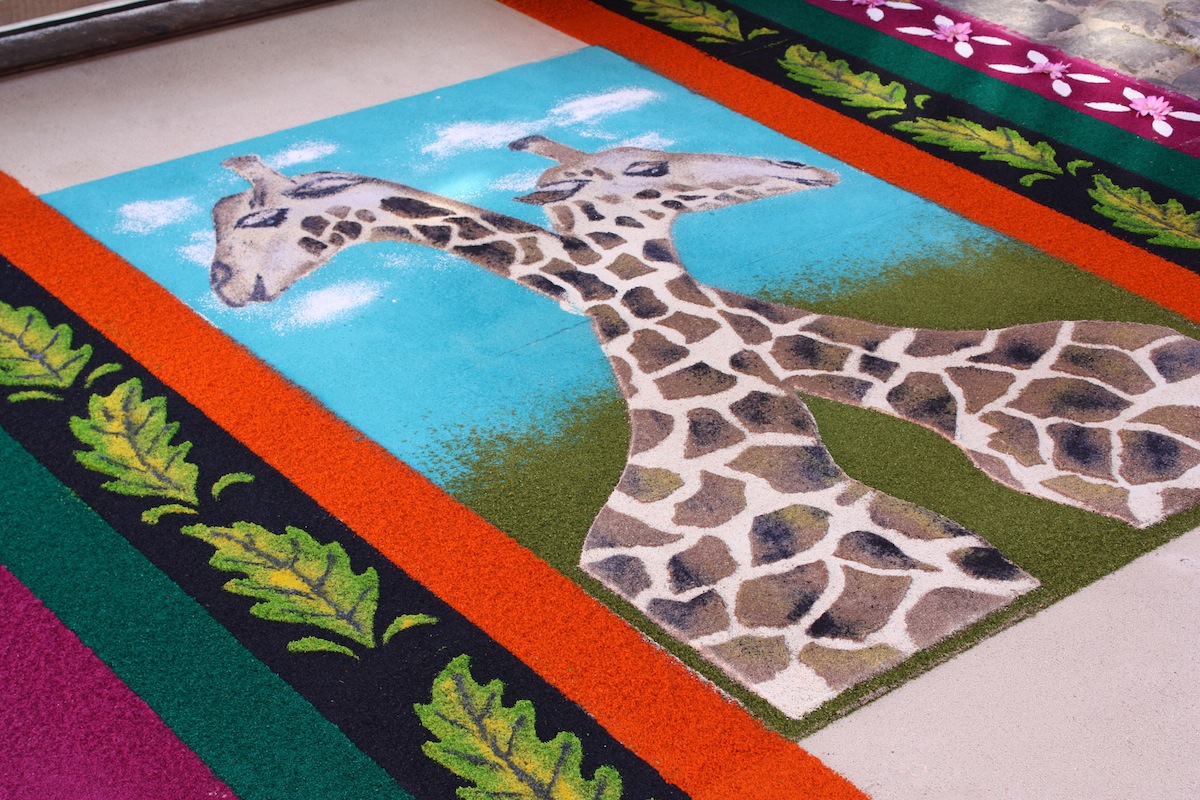
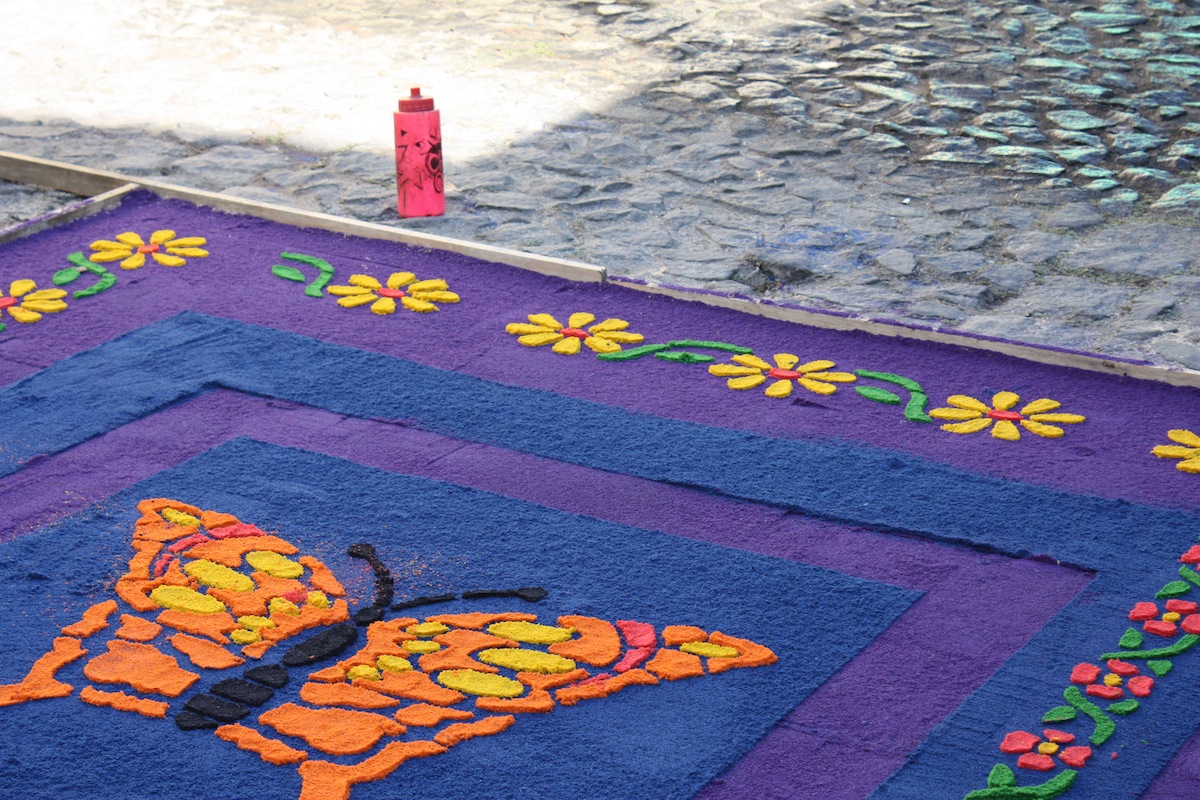
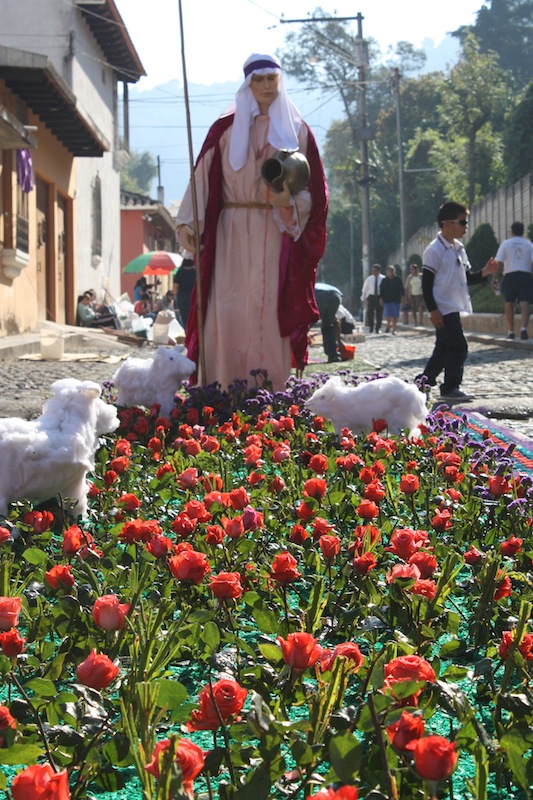
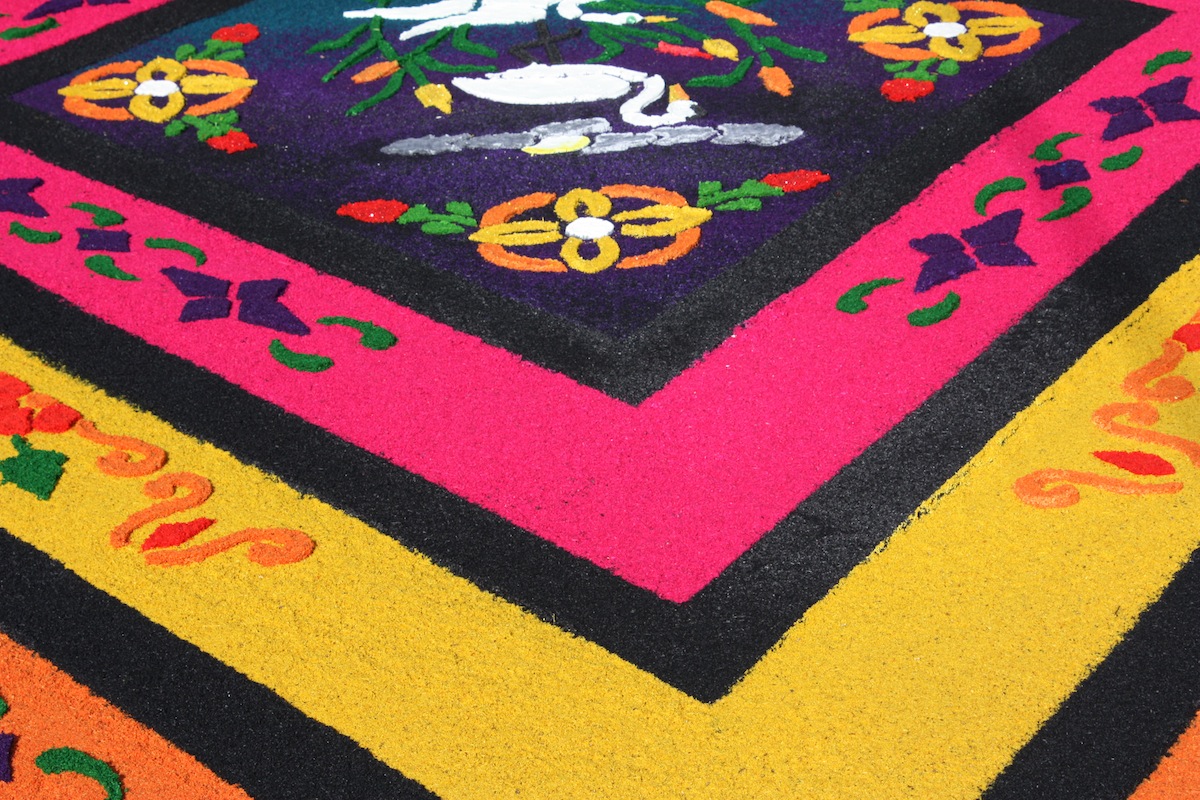
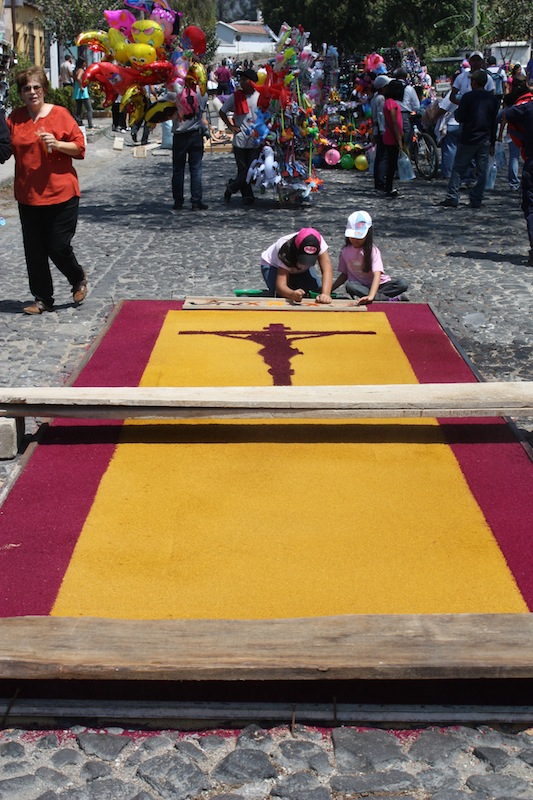
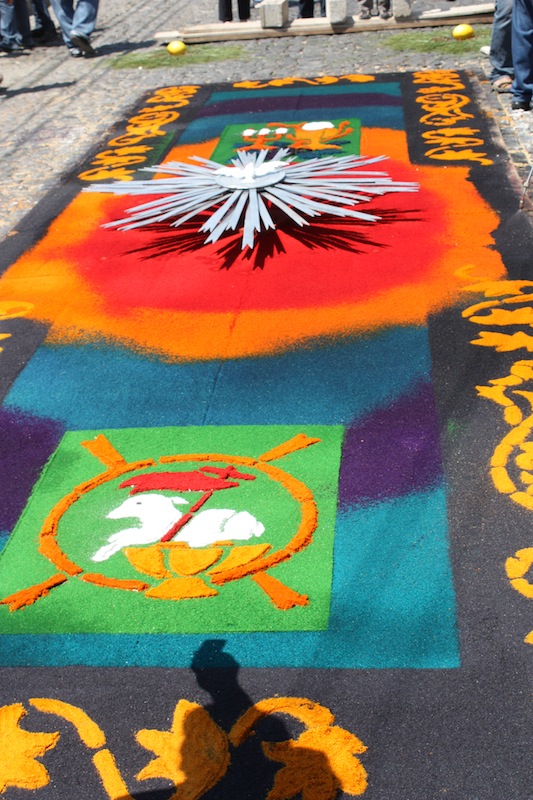
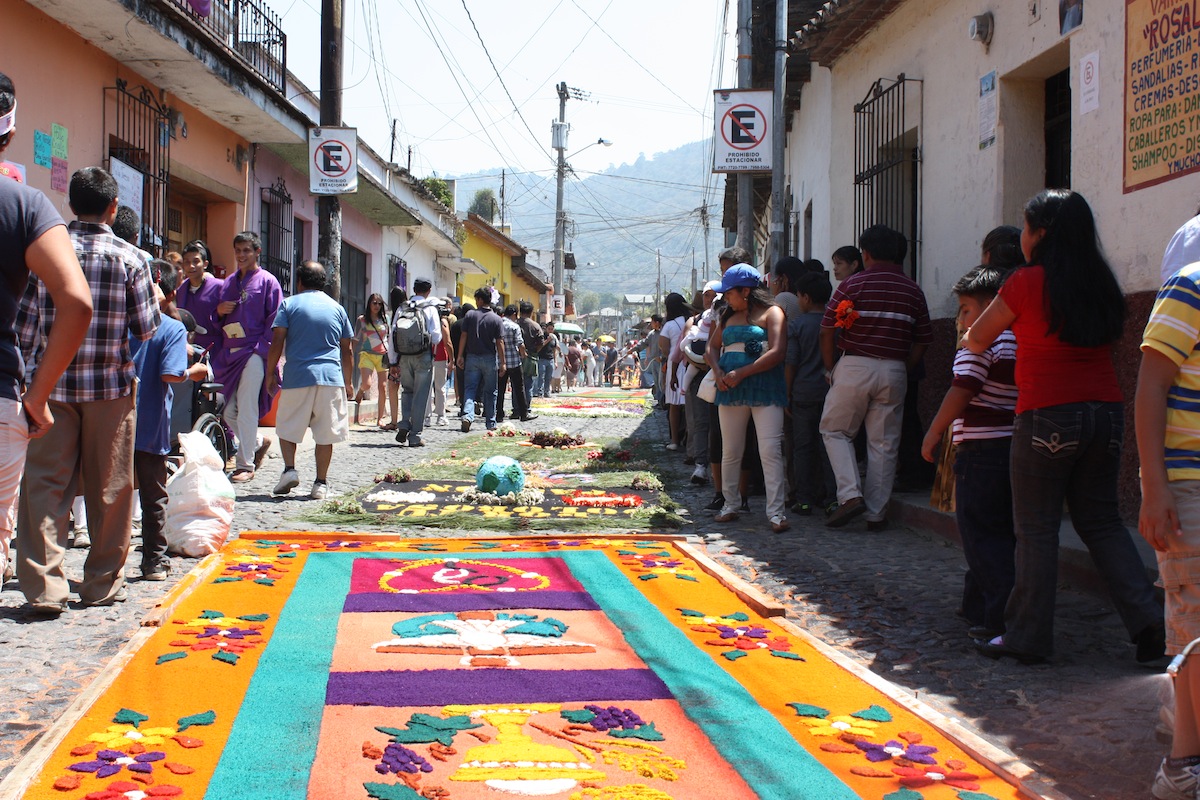
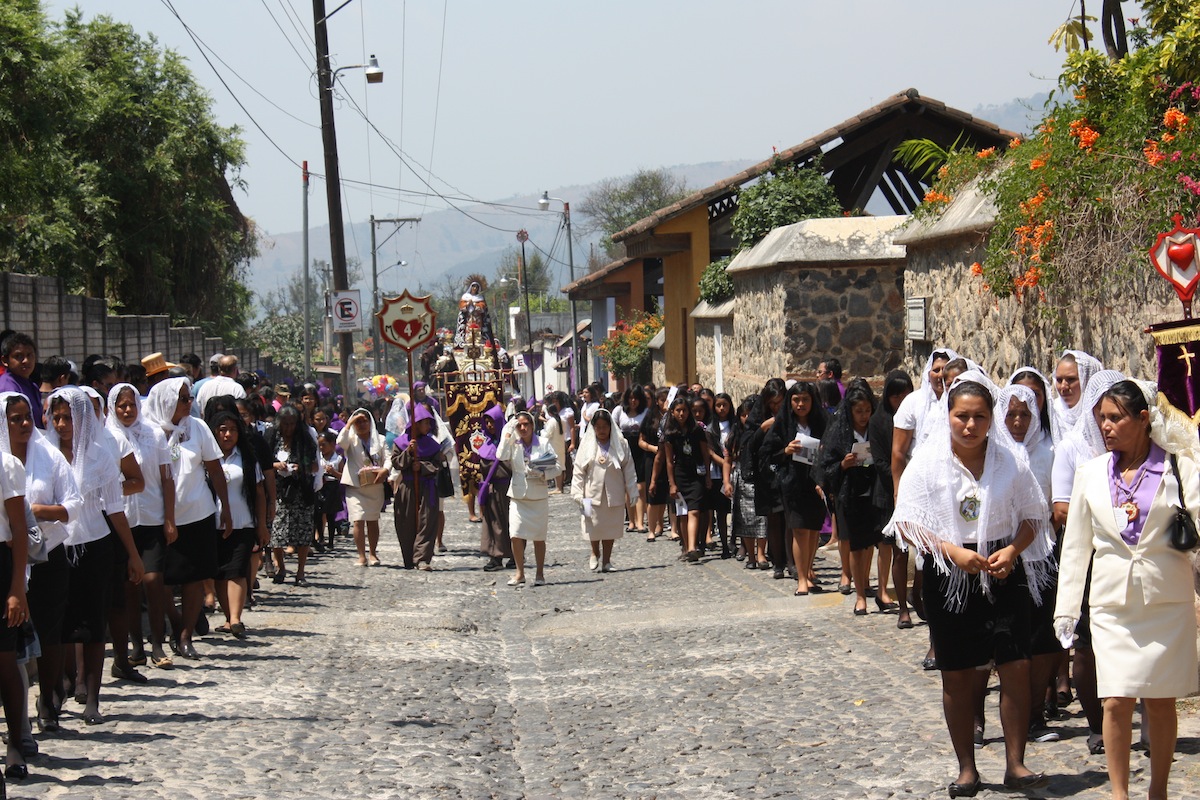
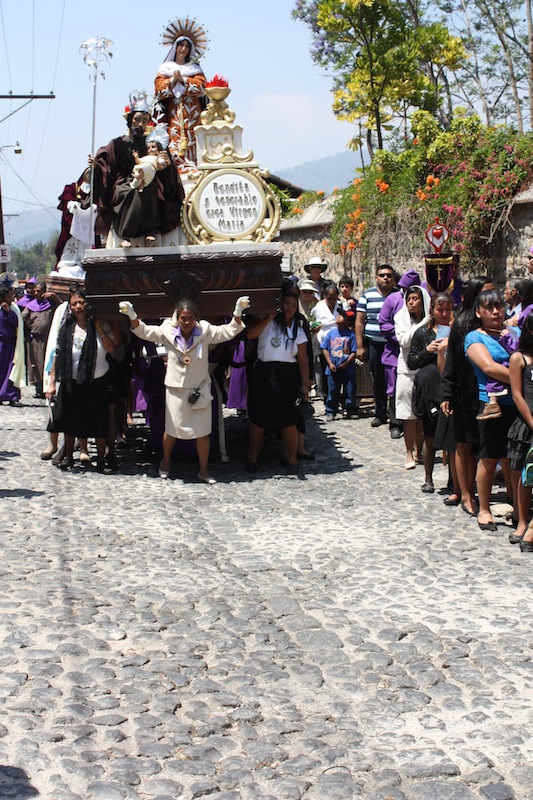
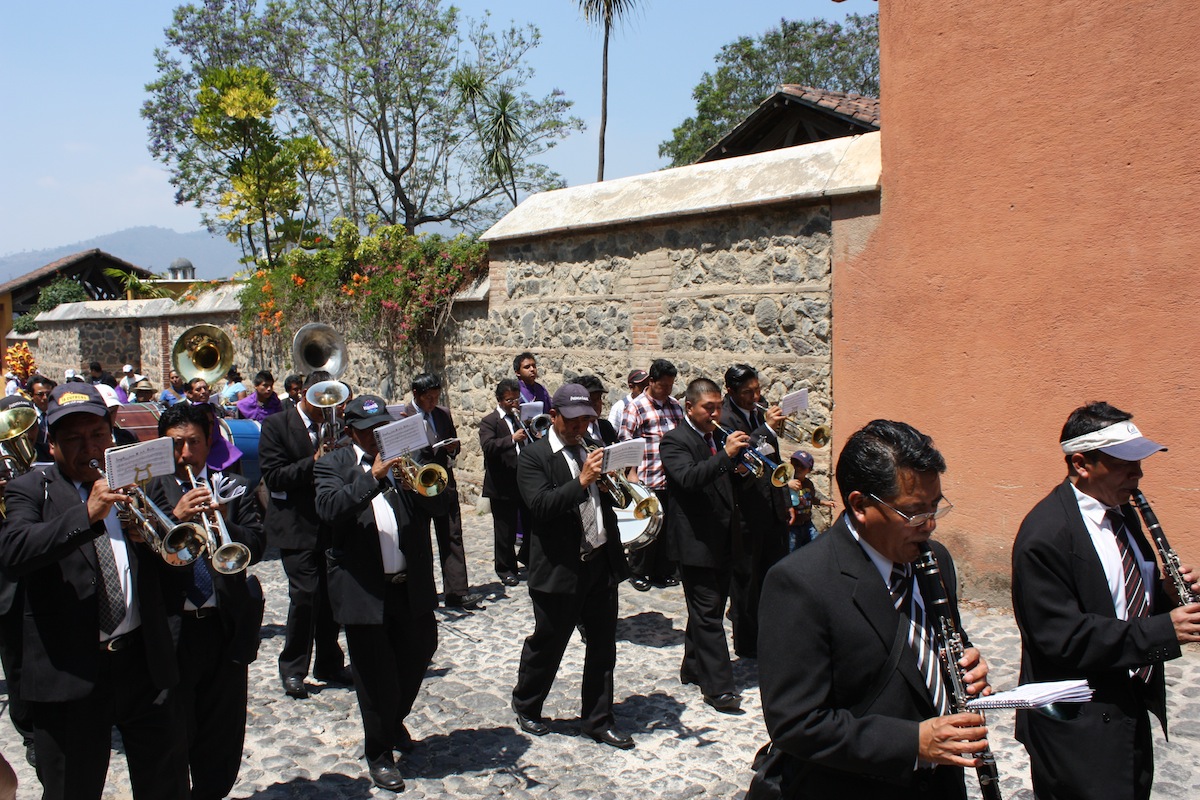
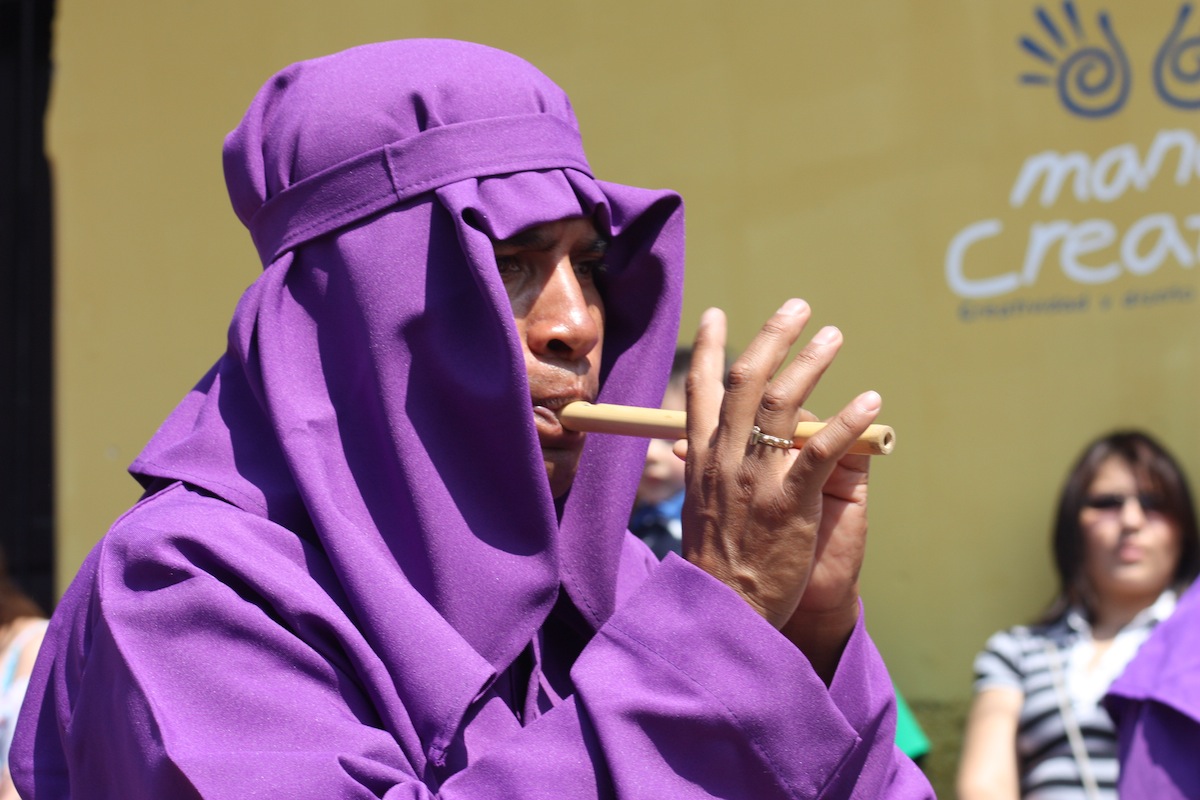
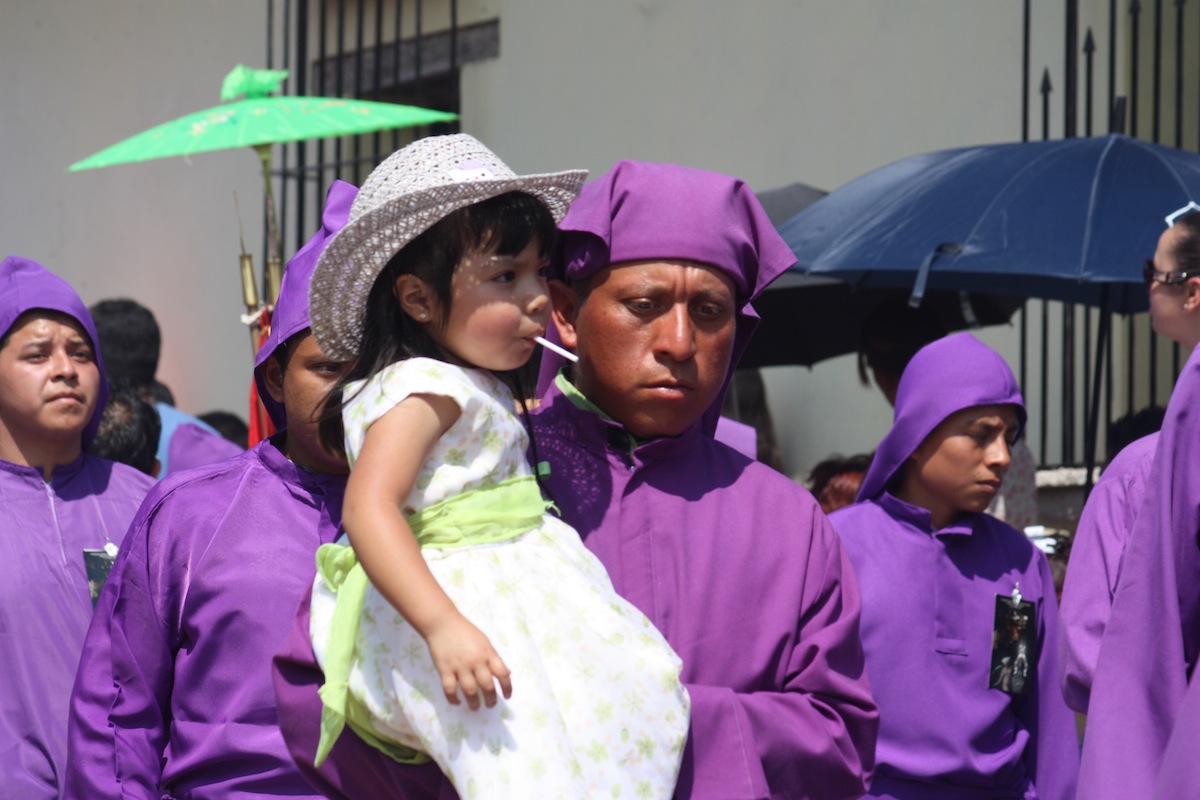
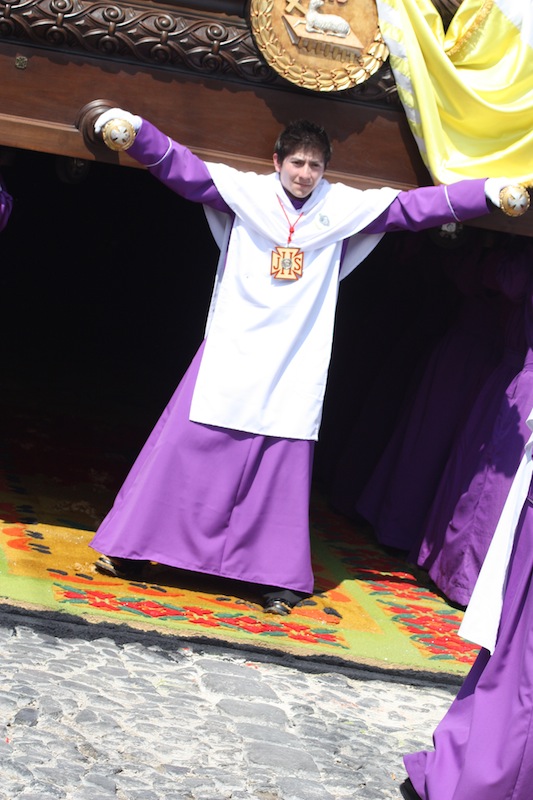
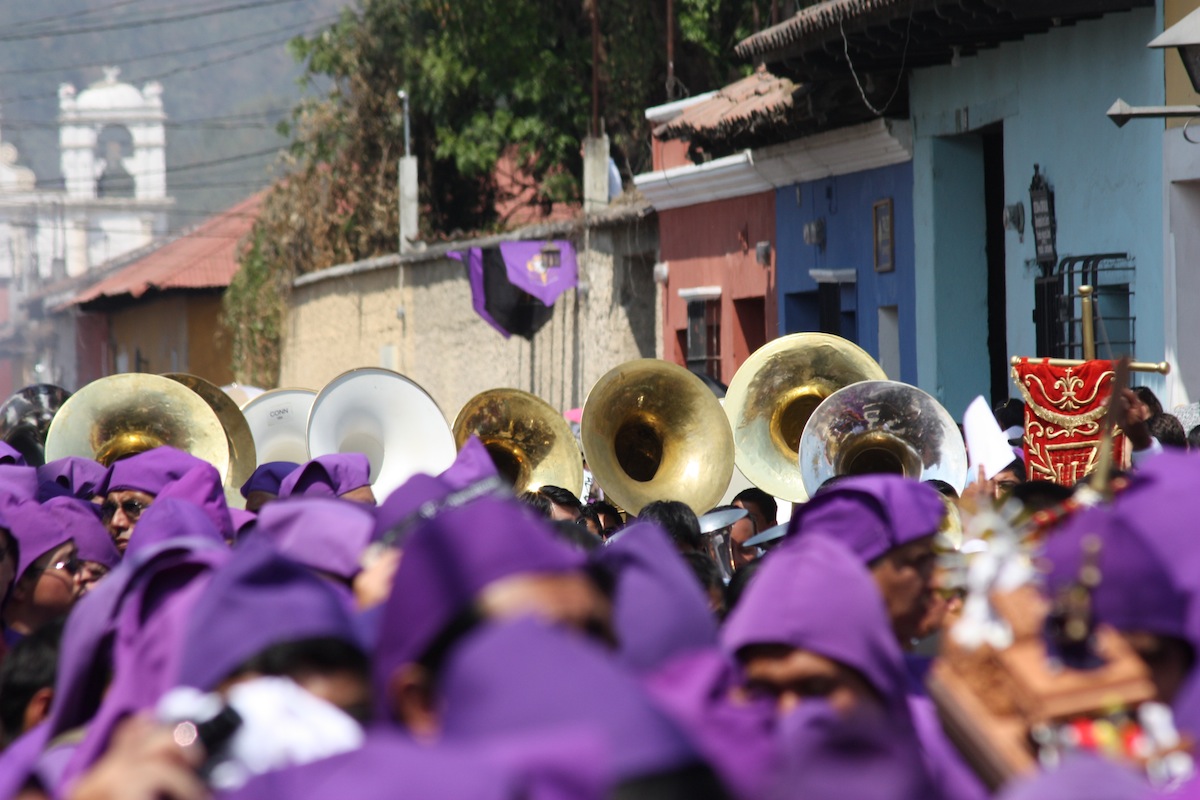
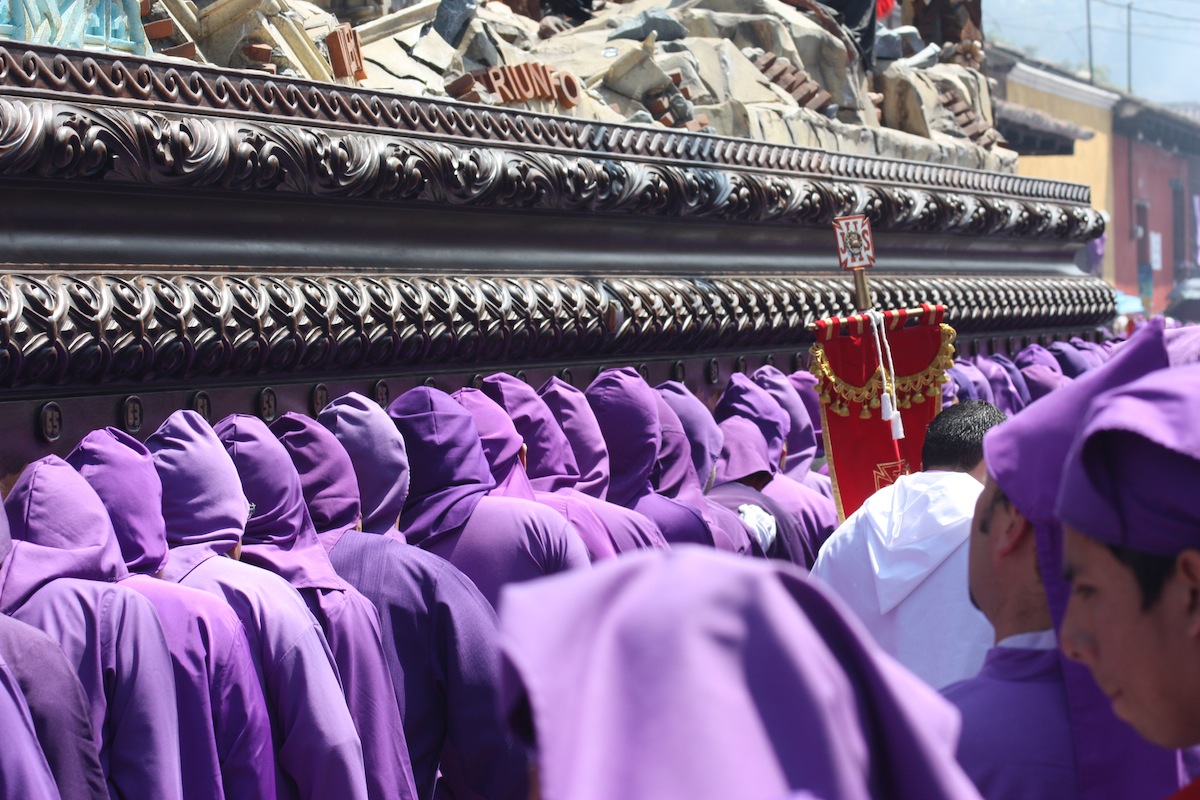
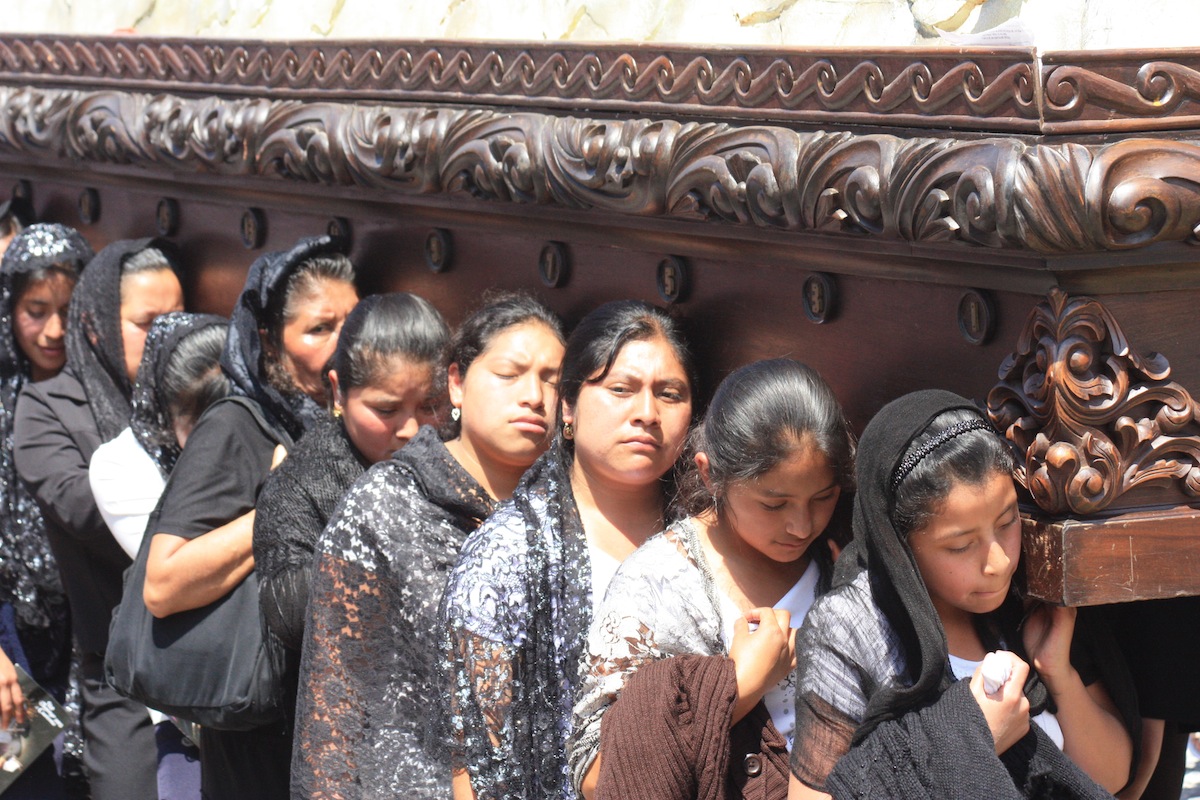
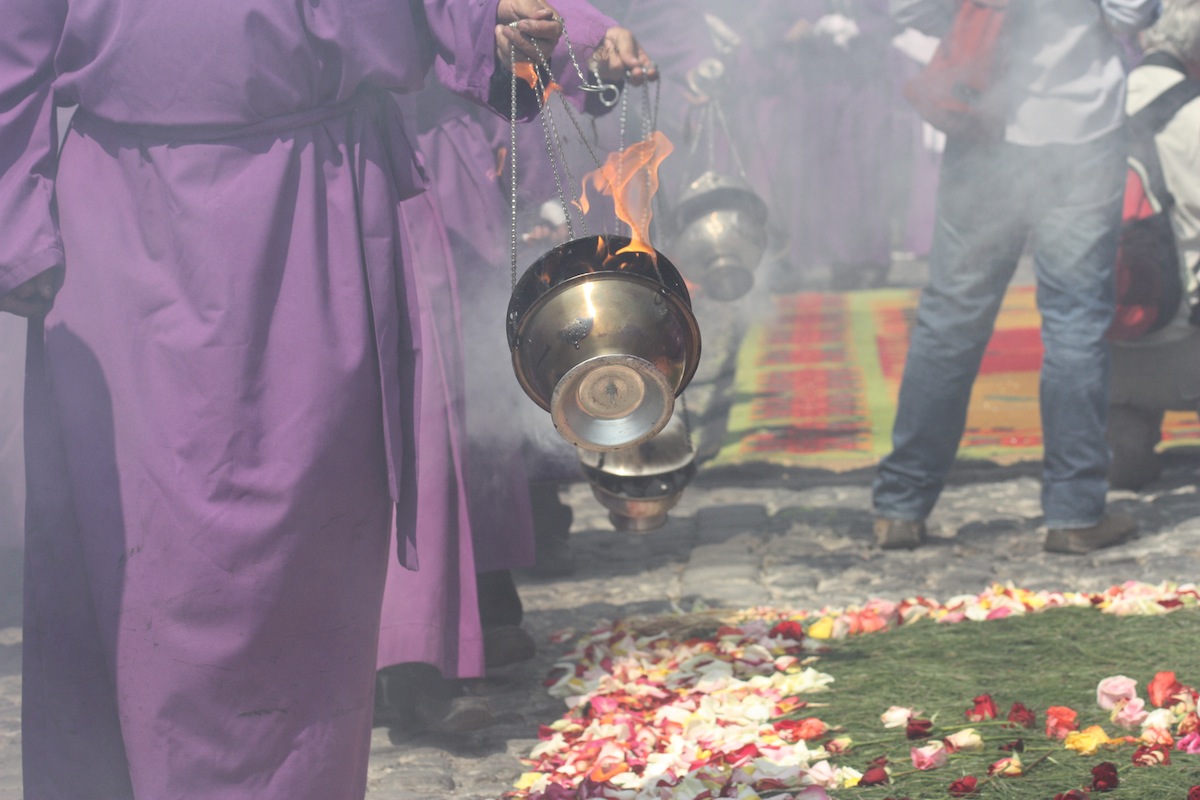
This tradition appeals to me on so many levels.  Entire communities come together to prepare intricate and colorful alfombras (sawdust carpets) in the streets for the Catholic Easter processions.  Teams of friends and family work all day and night to complete the alfombra only to have them walked on soon after by the long processions and immediately  shoveled up by the clean up crew.  Each group seems to have their own method and design concept.  They are primarily using coloured sawdust, wood shavings, pine needles, flowers and other random at hand things like vegetables and bottle caps.  One alfombra even had a fountain with wine while another was a rendering of jesus entirely done out of different shades of sawdust.   Because we were visiting Antigua in the weeks leading up to Semana Santa, there was a procession every weekend.  I would compare the processions to a parade in North America.  Needless to say, there was eye candy every weekend.  The processions include hundreds of men (dressed in purple) and women (dressed in black and white) carrying religious icons.  One of the platforms being carried was so large that it required 70 people on each side to carry it.  Processions start in the morning and can go all night.

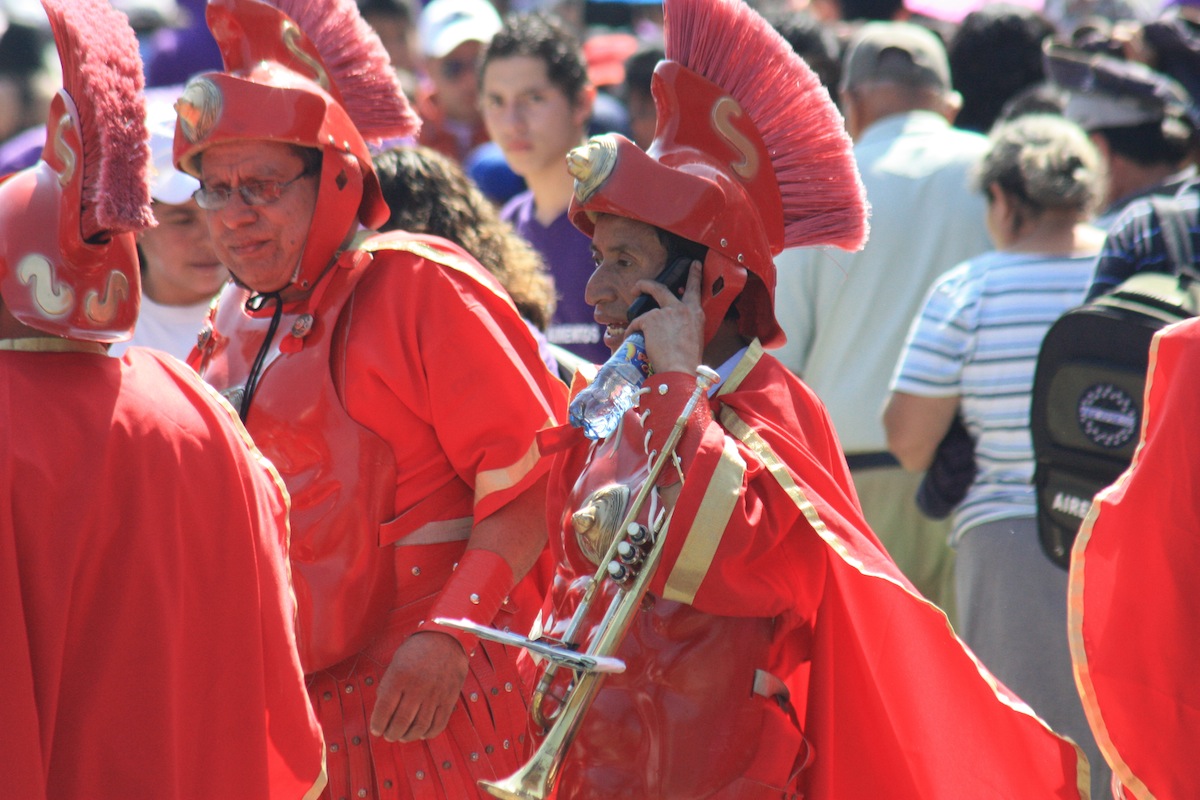
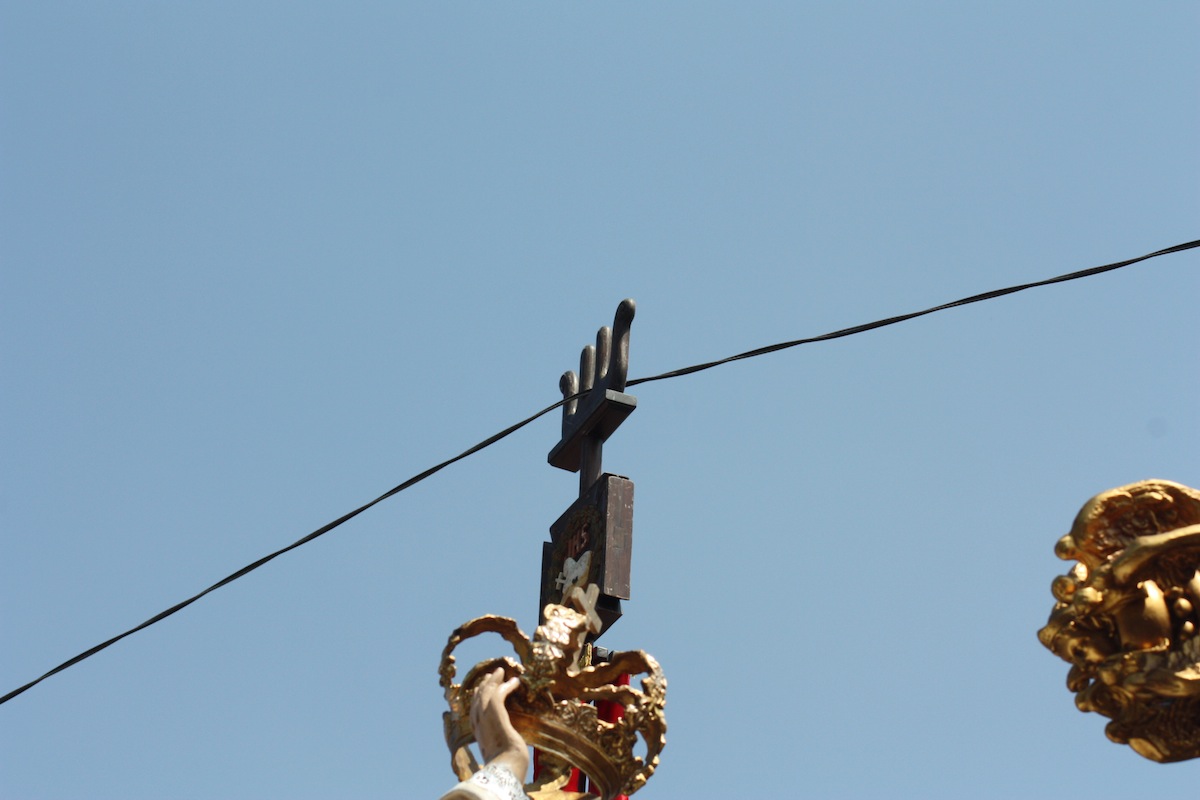
The last procession we saw included Roman soldiers.  Now, the soldiers were not just there for decoration….they served a purpose, using their pitch forks to prop up the telephone and power lines.  There was also a fleet of men with walkie talkies at vantage points throughout the procession organizing the mass of people.


Coffee Break

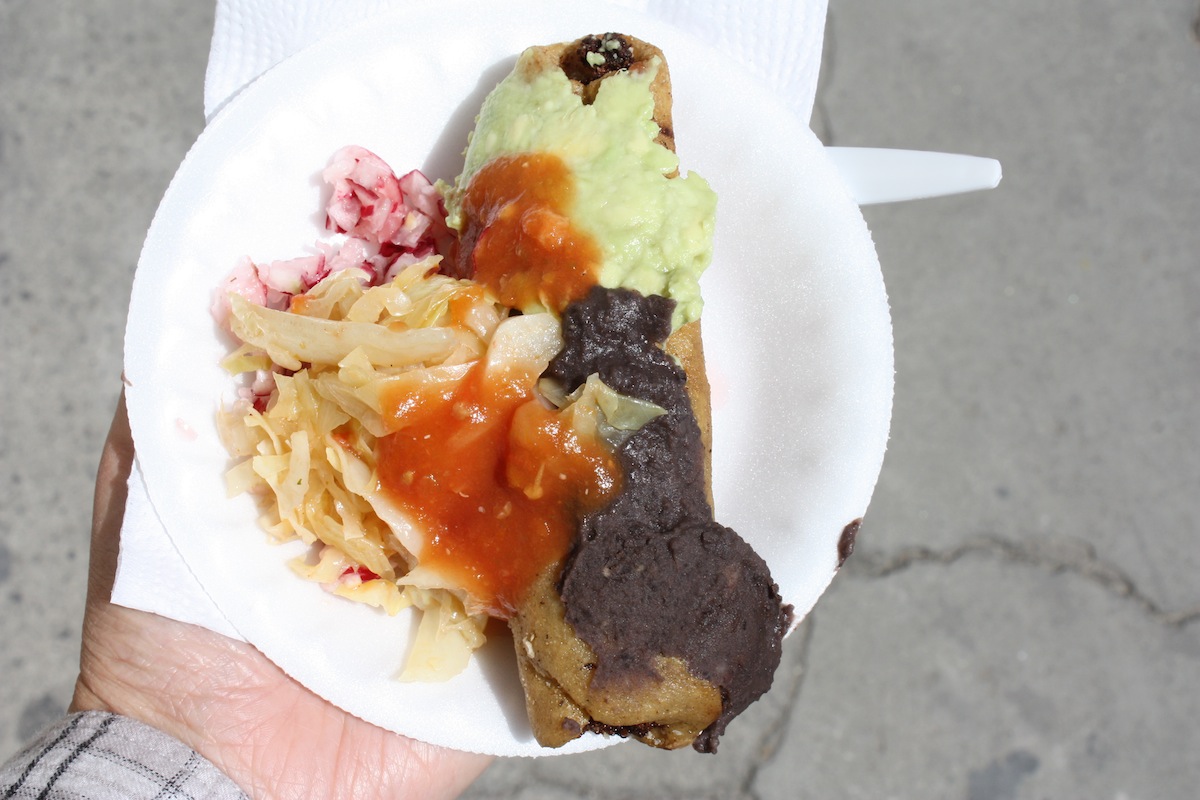
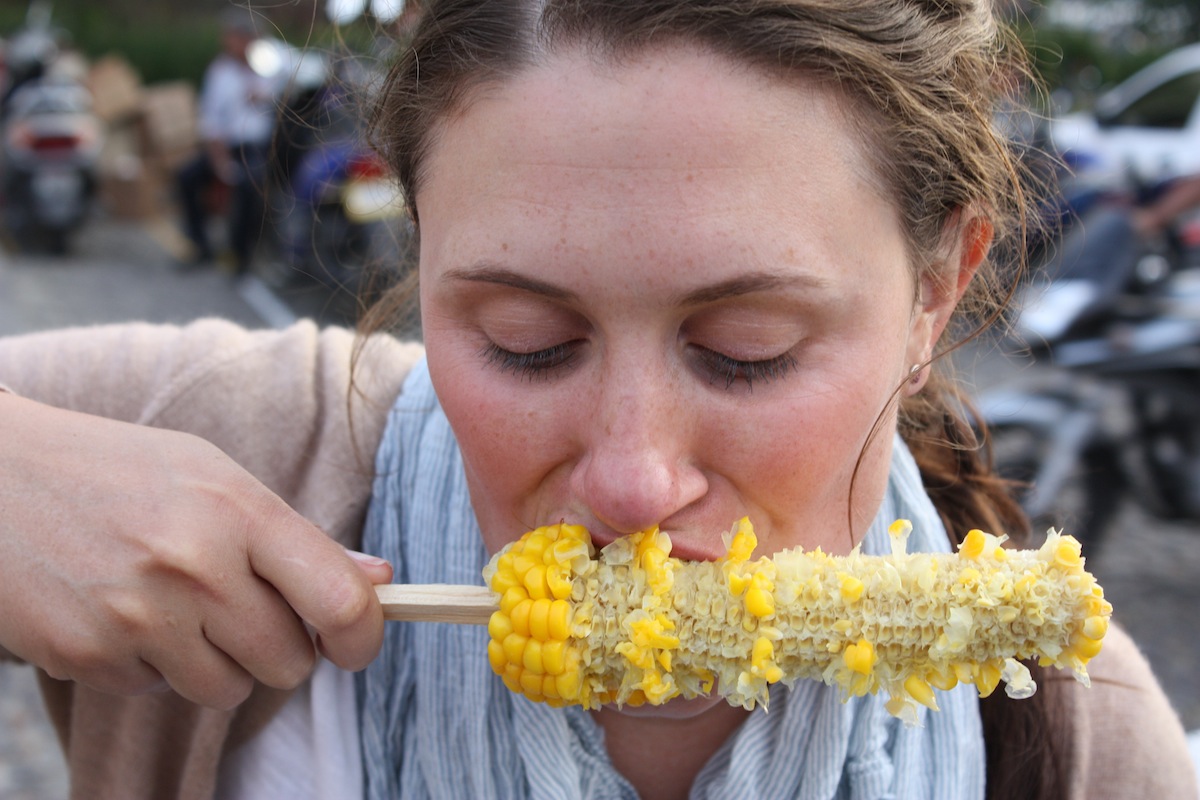
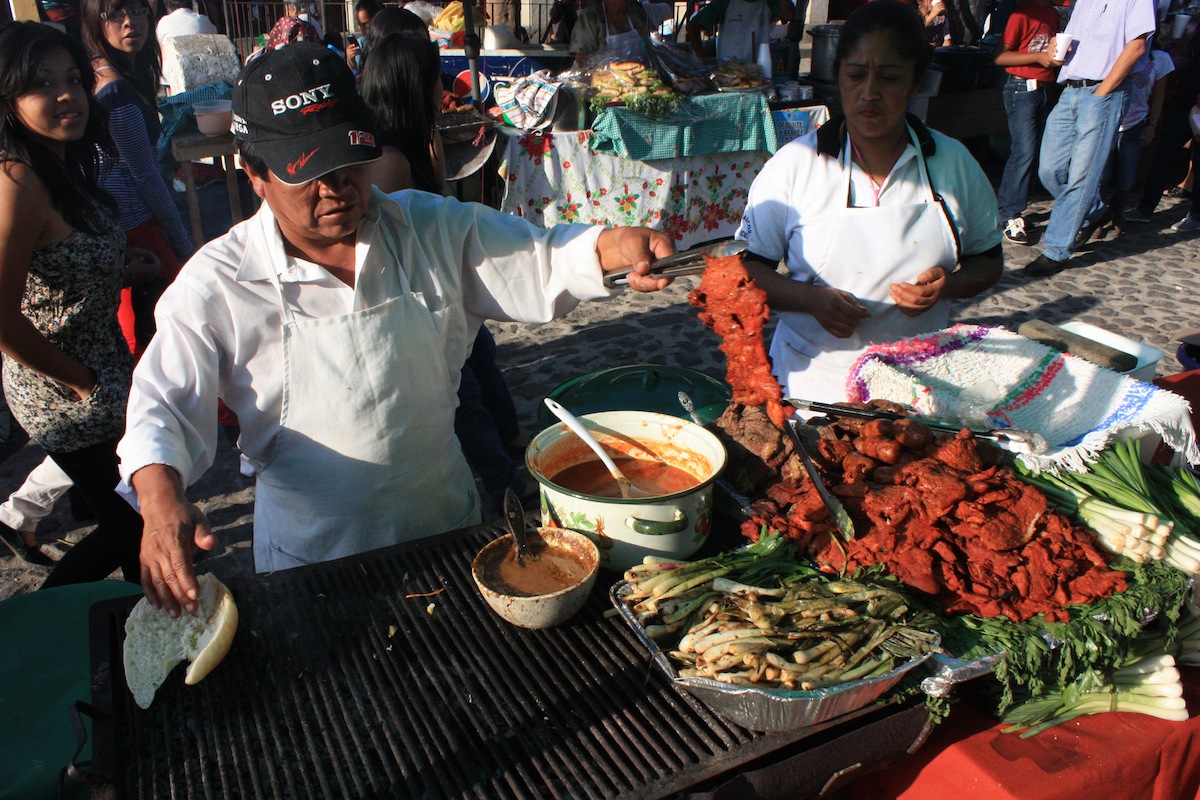
For 3 weeks while G and I were taking Spanish lessons, these two words were music to my ears.  From 10 to 10:30 am, we were able to grab a snack from the ladies who set up shop at the Spanish school next to ours.  My Spanish teacher very quickly discovered my love of food, so we spent a good deal of time discussing it.  She shared with me the ‘snack’ tradition in Guatemala.  My favorites were the tostadas with beans, guac, cabbage and salsa or a taco stuffed with potatoes and covered with the same stuff.  Tostadas and tacos are different then their Mexican counterparts.  The Guatemalan tostada starts with a thicker and crunchier fried corn tortilla.  The Guatemalan tacos are actually rolled up and then fried.  George usually opted for a bread roll (pan) with a chile relleno, guac, beans, hot sauce and cabbage.  For something sweet, he’d grab a rellenitos de plátano (small balls of mashed plantains filled with sweetened black beans, fried and sprinkled with sugar). Another favorite snack was the corn on the cob.  We preferred ours with salt, but the locals smothered them with all kinds of condiments including ketchup.  Truth be told, I kept my distance from the loaded down cobs of corn.

Lunchtime is typically the most substantial meal in Guatemala.  Some local restaurants would have pots of stews sitting in the entrance, which was almost impossible to pass once you caught wind of the smell.   Without fail, they would have ample delicious soups and salads as well for me to try.  George usually opted to try as much meat as possible.  As many of you know, I don’t eat meat and therefore cook primarily veggie food.  If G doesn’t have a big chunk of meat at least every second day, he’s convinced that his body needs meat asap and that he couldn’t possibly carry on.  Eating a big meal at lunch worked out well for both of us, because I could cook veggie for dinner without any complaints.

One of the dishes that I really enjoyed was vegetarian pepian.  The dish almost tastes like an Indian curry because you begin by toasting spices in a dry pan.  I also highly recommend the panaderias (bakeries) in Guatemala – plenty of fresh bread and sweets to choose from.

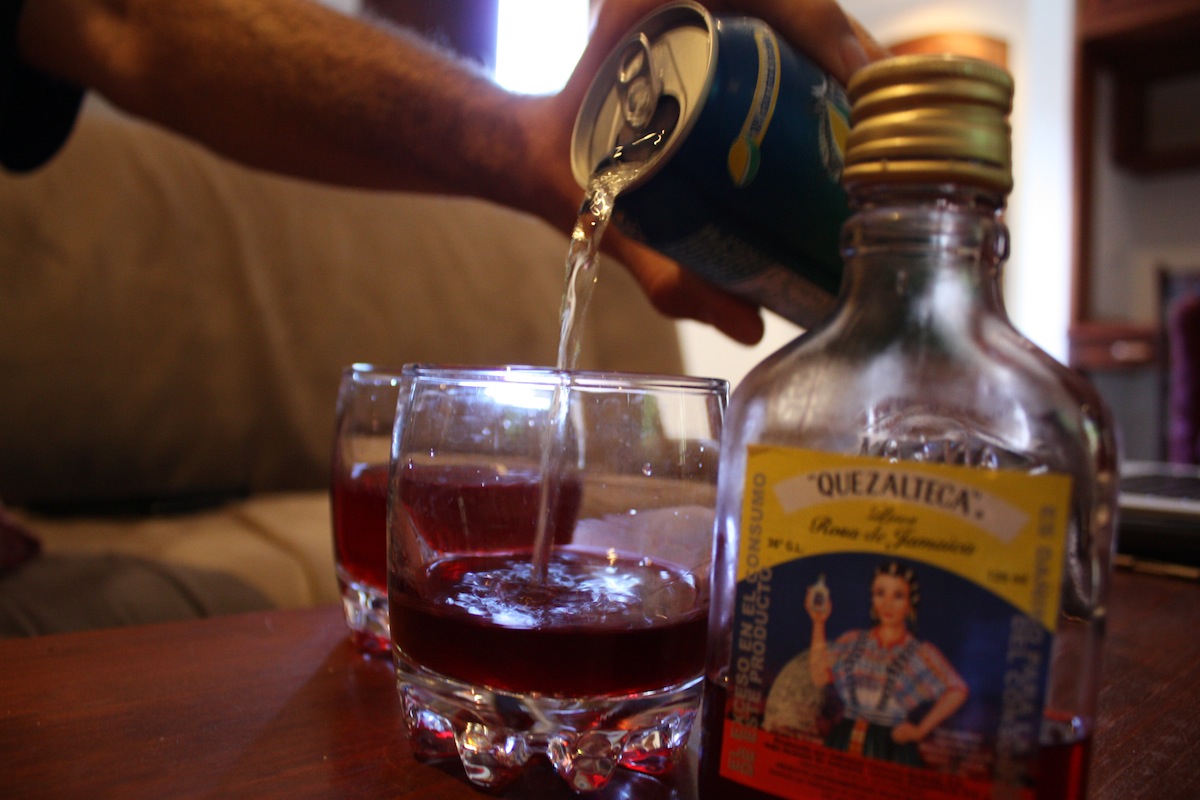
G and I celebrated the completion of our Spanish classes with some frozen bananas dipped in chocolate and covered with nuts followed by a few too many Quetzalteca + sprite.