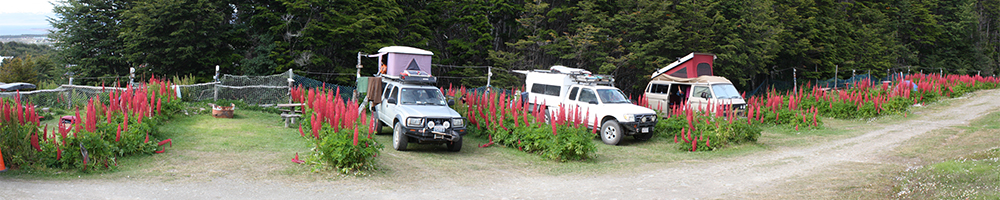
Bye Ecuador, hello Peru!

We left Ecuador in a hurry accomplishing one of the longest drive days on our trip (550 miles / about 900 km). After a forced two weeks wait for our tent parts to clear customs we had itchy feet. We din’t like much the human version of ping-pong between Fedex and Ecuador customs. The game is called “Overnight delivery (from the US) and over month customs wait”.

Finally here! For years I have heard legends for the amazing waves and kiting in Northern Peru. I was stocked!
We wanted to hit a few kiting destinations (Mancora, Lobitos, Pacasmayo), try surfing in Chicamas (this place claims the longest left wave in the world) and last but not least go hiking in the Cordillera Blanca. All this in the eleven days before a friend was coming to visit in Lima. The plan looked good. We just forgot one detail – the one thousand miles of driving from Mancora to Lima…

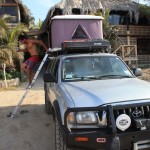
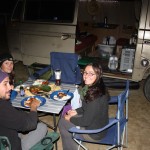
We started with two days in Mancora. Aaron and Linda, two of our overland friends, had arrived to Mancora the day before so we joined them. The first thing we did that day was work on fixing the tent. Man, was I worried if the parts were going to fit this time around… A month earlier we had received spare parts in Colombia only to find out they did not fit. Luckily this time with help from Aaron we managed to fix the tent! Hurray, Taj Mahal is working again!

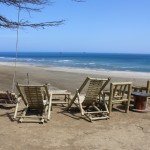
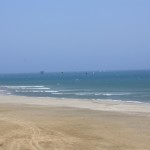
Mancora turned to be a disappointment. It was crowded and a bit touristy. There was no wind and the waves were nowhere to be found either. On top of it all we had a mugging encounter which made us all feel uneasy about Mancora. We decided to move quickly to the next spot – Lobitos.
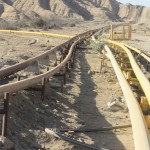
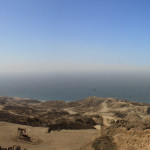
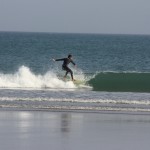
Lobitos delivered. It is a small village on the coast about an hour south of Mancora. Lobitos was created by the British as a booming oil town in the beginning of 20th century. After the oil dried up Lobitos turned into a ghost town. Now the only people who still live in Lobitos are a few fishermen and a hardcore group of surfers and kiters. A few hotels have started to slowly pop up here and there however you can still enjoy the place basically to yourself. Needless to say Aaron and I spent enough time in the water.
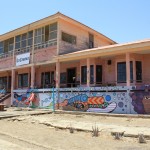
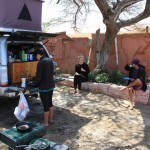
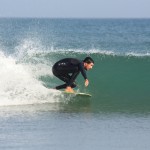
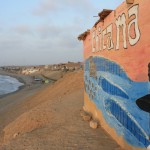
By this point five out of our eleven days have gone by and we still had a thousand miles to drive and so much more to see. We had to hurry. On the third day in Lobitos we parted ways with Aaron and Linda and headed south. The next destinations were Pacasmayo and Chicamas. Unfortunately there was no wind in Pacasmayo so we quickly moved to Chicamas. The day after we did not have time to fool around in the water so we just drove to the famous surfing spot and took a few pictures. The only sport I managed to do in the short hours we spent in Chicamas was oddly volleyball. I played for an hour with the local kids after dinner.
At this point we were super concerned about time and making it to Lima. We had to change plans. Teresa sacrificed (not for the first, and not the last time) some of what she wanted to do – Cordillera Blanca. We decided that it was too much of a risk to try to spend 3 days back to back driving to the mountains to hike for a day and drive another two days to Lima. We headed straight south.
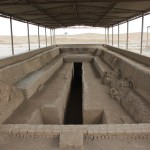
Northern Peru looked very interesting. Sadly we had to rush through and could not spend more time. However I know that we will be back (at least I will kiting).

Cuenca Ecuador – The waiting game and rodents on spits

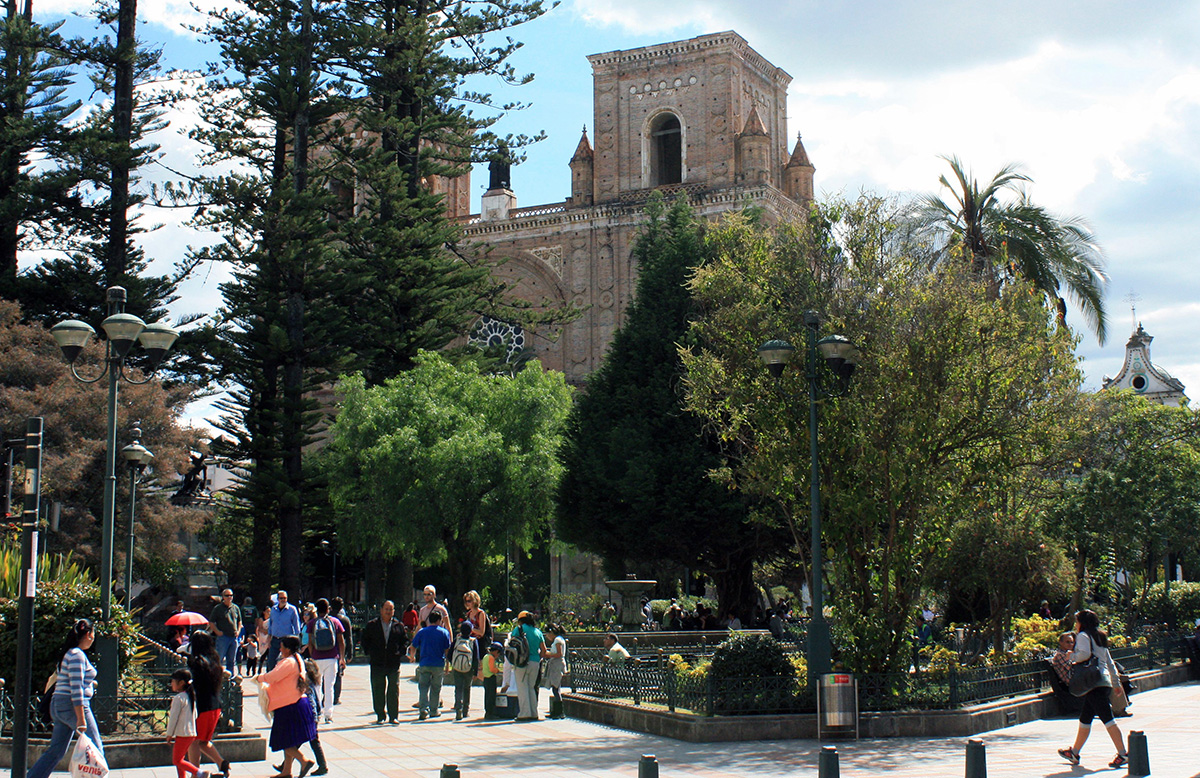
We had a plan for Cuenca Ecuador, a colonial town becoming popular with retirees from North America and Europe. We would get the second round of tent parts shipped there while we checked out the city for a week or so. We grabbed a room at Hostal AlterNative, a sparkling clean and well-run hostel about 15 minute walk from the center. George immediately stuck a pin in the hostel’s world map, the first Bulgarian to visit. A day later he met the second Bulgarian to visit. George gets a special kind of excited when he meets another Bulgarian, so he quickly flew up to our room smiling ear to ear to share the news.

A week of waiting quickly turned into two as our parts got held up by customs and FedEx employee laziness.  Waiting for anything can quickly put a bitter taste in your mouth, but we kept things in perspective and explored Cuenca and the surrounding area.

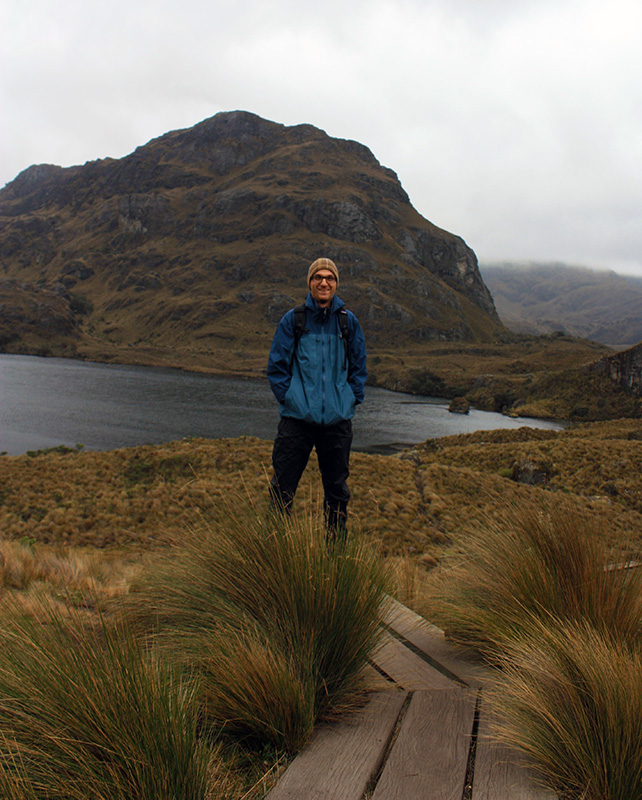
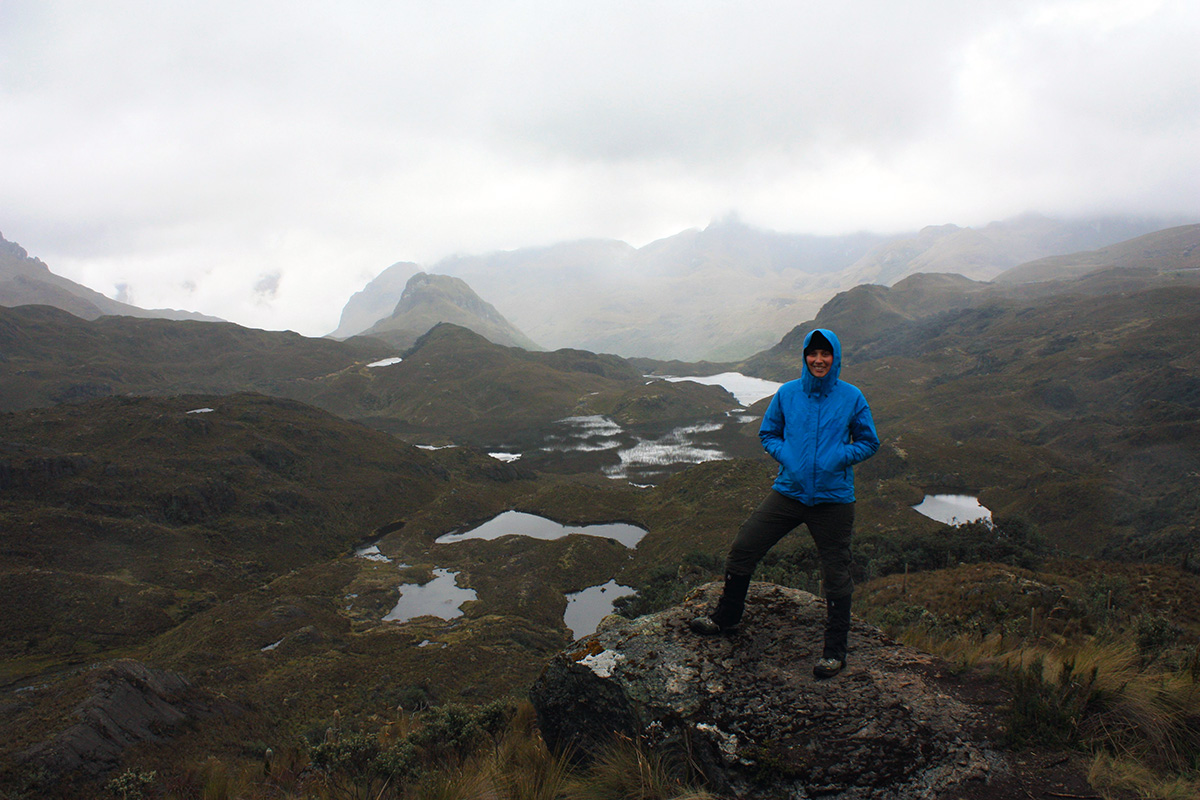
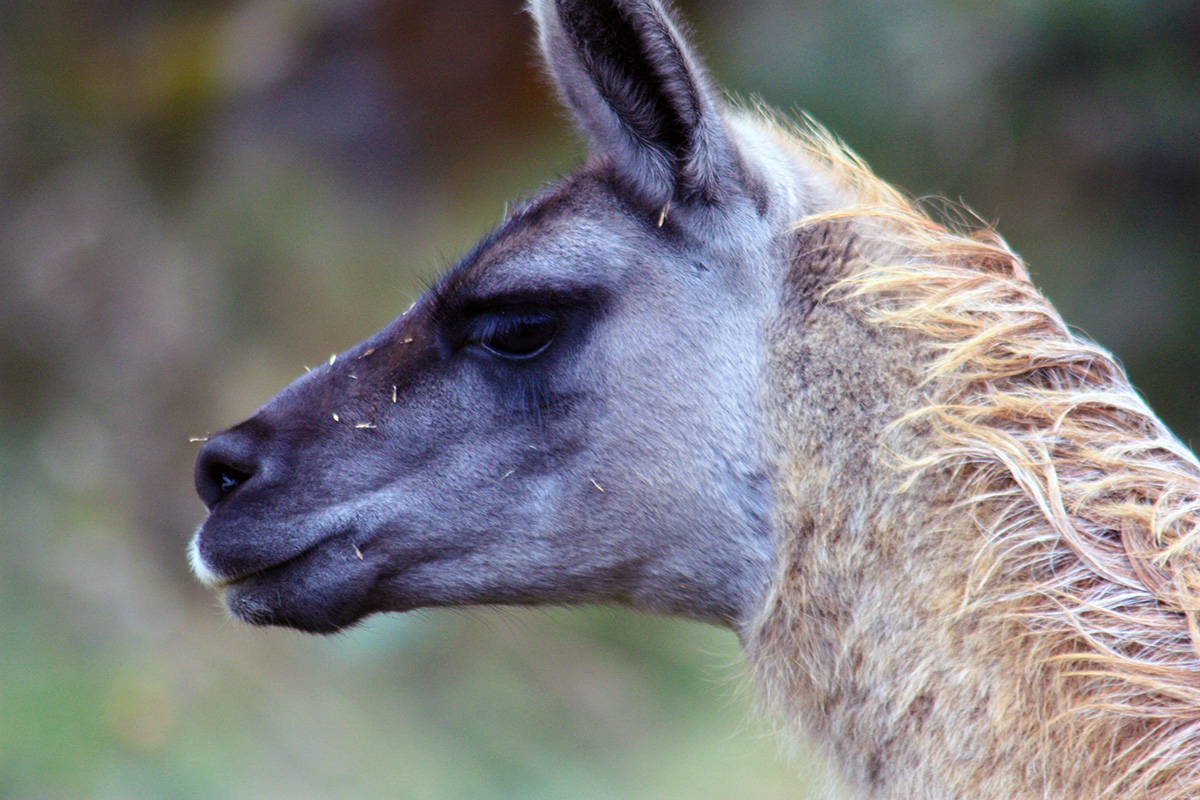
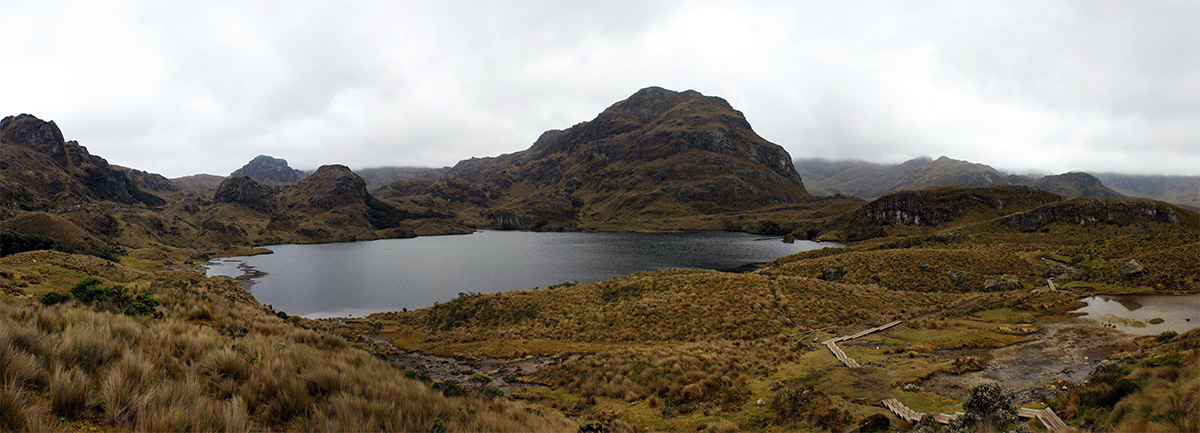
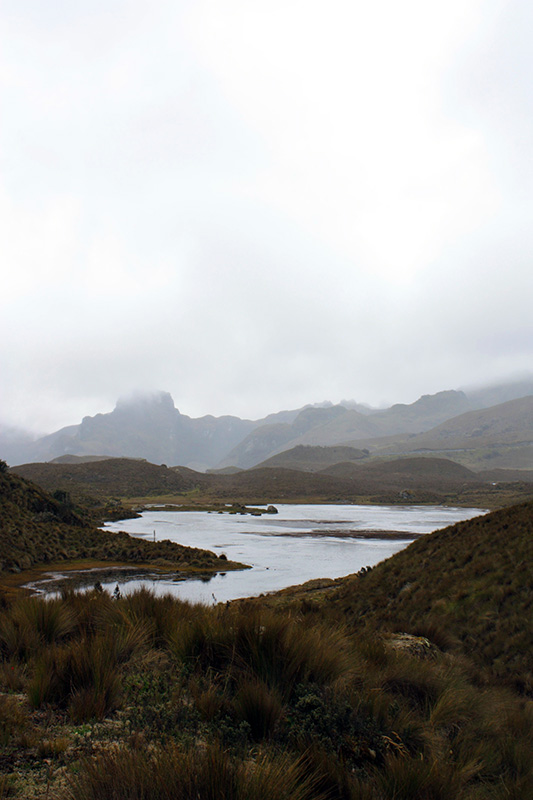
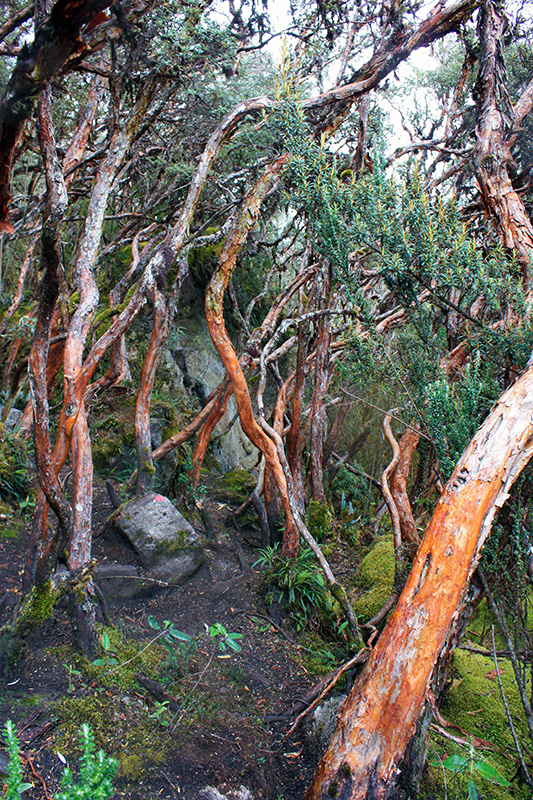
Cajas is a wonderful national park just 45 minutes outside of Cuenca. Hikers are greeted with hundreds of lakes and lagoons (most have lake trout), llamas, and stunning views. The weather was pretty shit temperamental when we were there, but the chilling rain didn’t detract from the scenery. We drove through a blue-skyed Cajas again on the way out of Cuenca. That’s highlands weather for you.

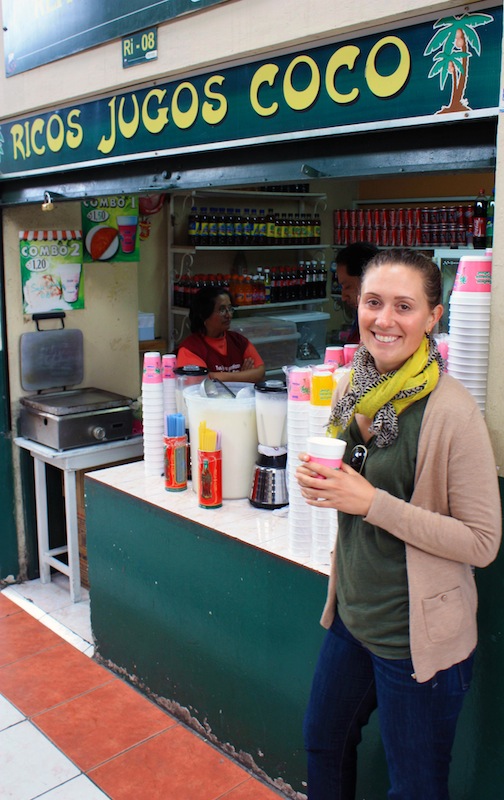
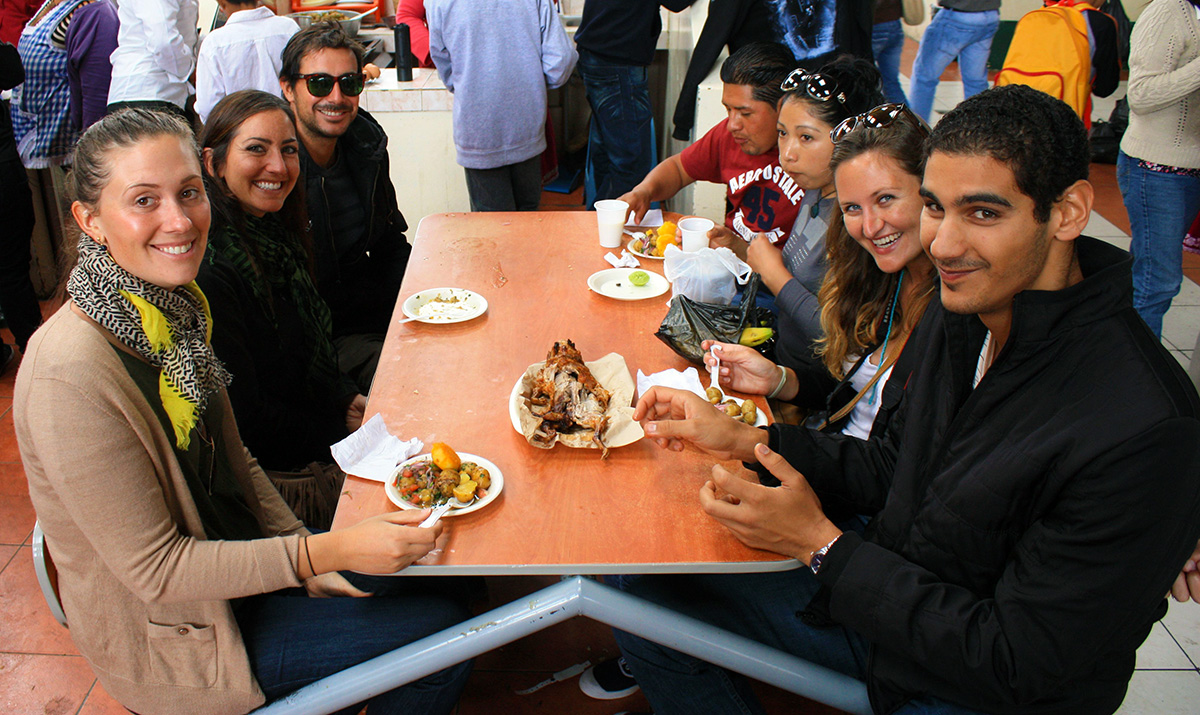
Thankfully, we had some company (Aaron and Linda) in Cuenca to drown our waiting blues in drinks and visit the Sunday markets and hot springs in the surround villages. The first order of business was for the guys to try the cuy (roasted guinea pig). A whole cuy will set you back about $10 – $12 USD, luxury eating in Ecuador. The verdict? Apparently it tastes like chicken 🙂
Our parts finally cleared customs and we made a run for the border, excited to be heading into Peru.

Isla de la Plata – poor man’s Galapagos

Oh Galapagos, should we or shouldn’t we? In the end taking into consideration time, money and Vida, George and I decided to save Galapagos for a standalone trip when we are again employed. As a consolation prize, we heard about a day trip from Puerto López to Isla de la Plata (silver island) in Machalilla National Park that would set us back $40 USD per person plus a few dollars for the park entrance. Thank the cheap gas in Ecuador for keeping the prices down.


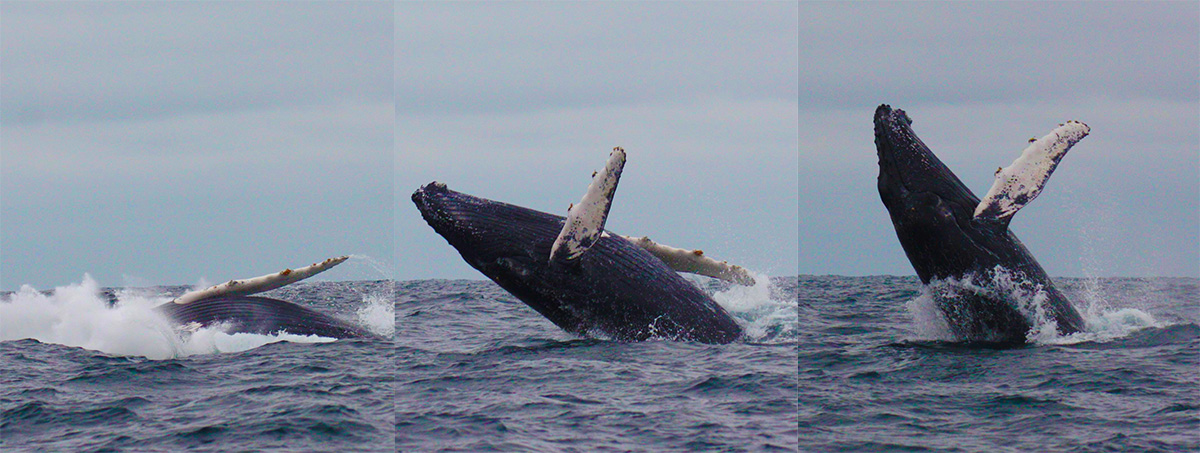
On the way to the island we spotted a handful of humpback whales. I felt a little guilty as our boats and a few others combed the water for the whales, but our first sighting had me as giddy as a school girl. They are remarkable animals.

series_sm

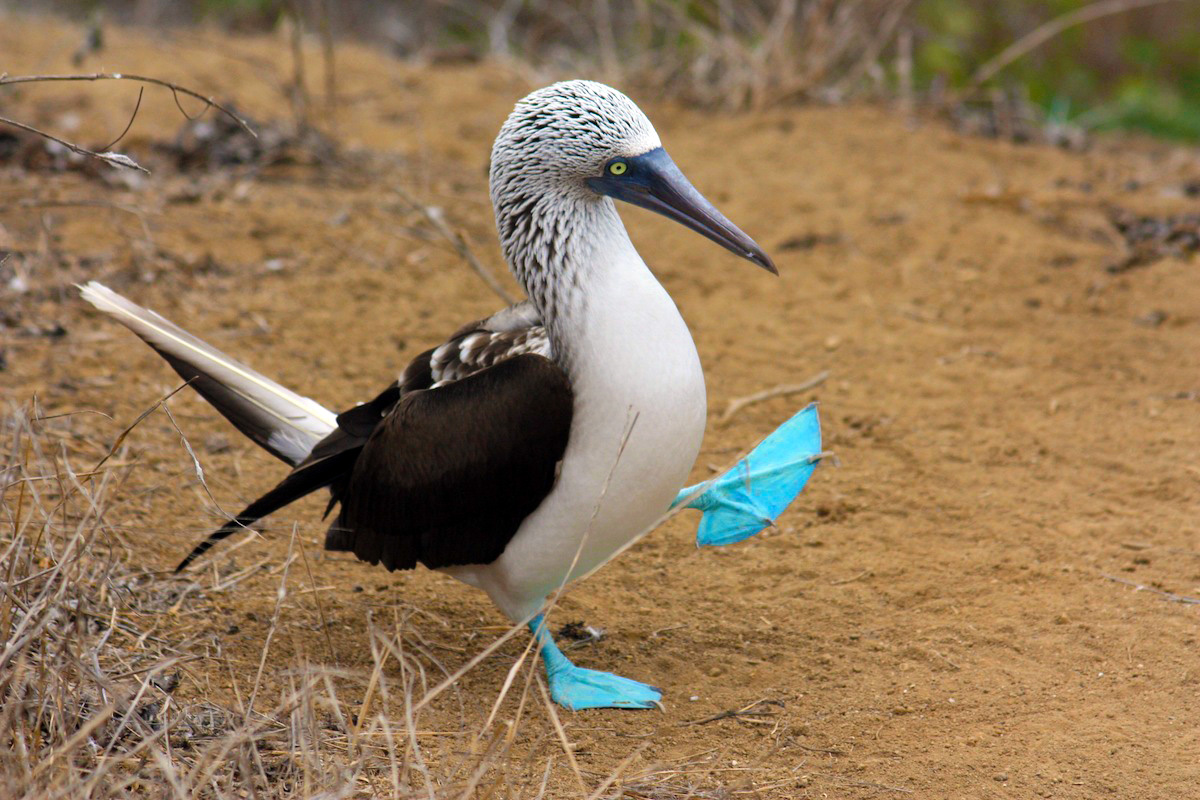
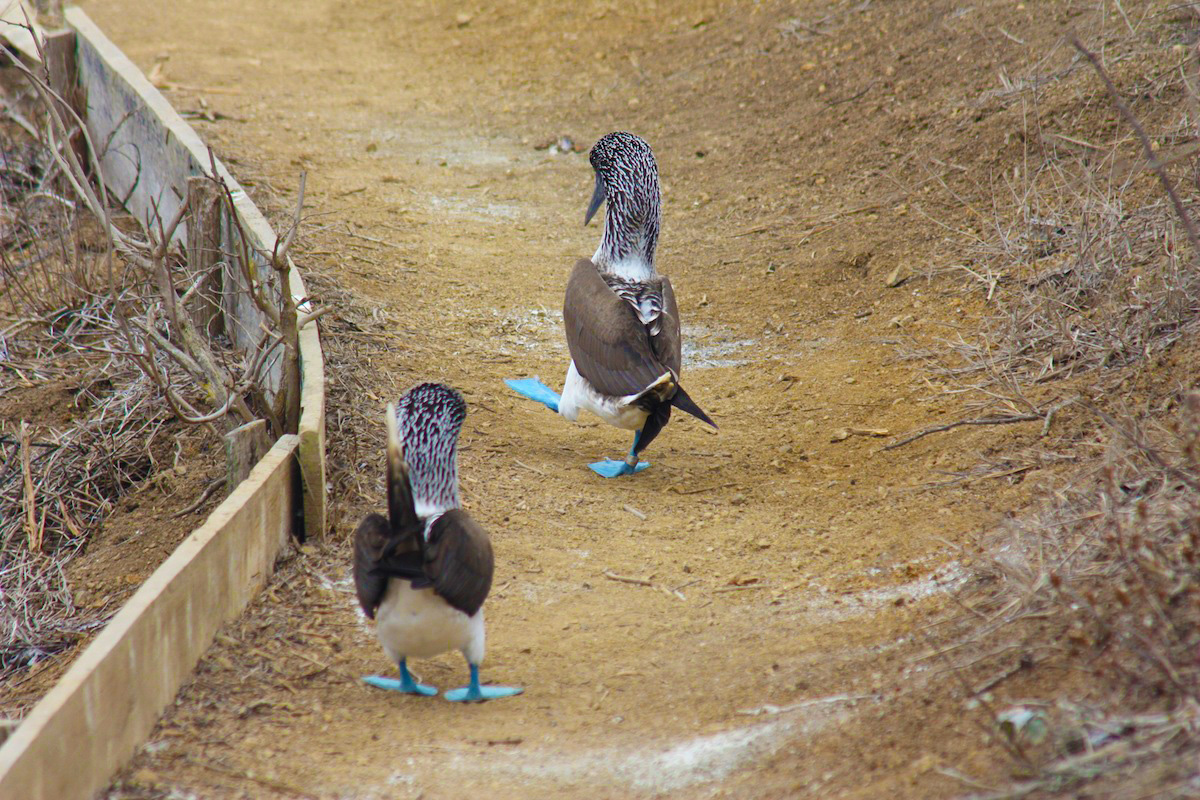
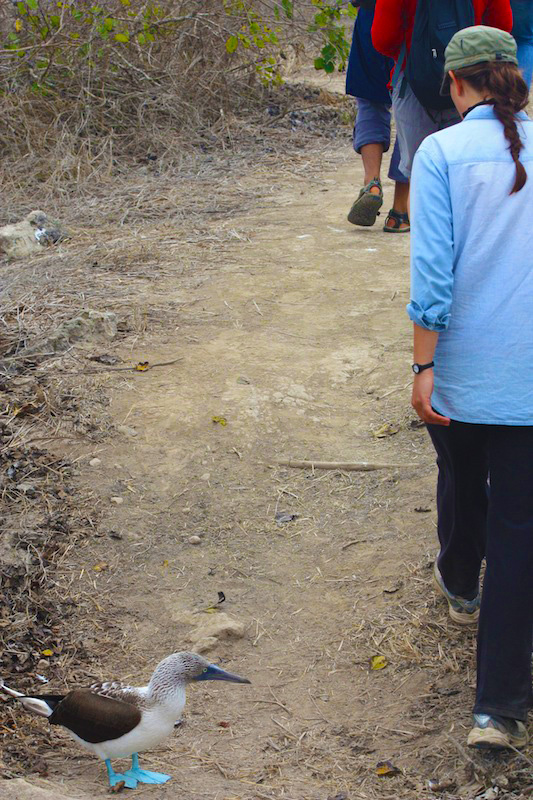
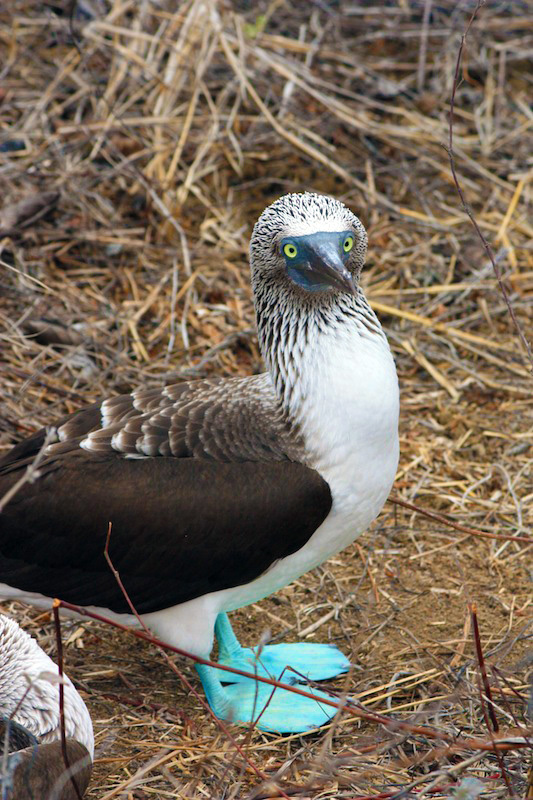
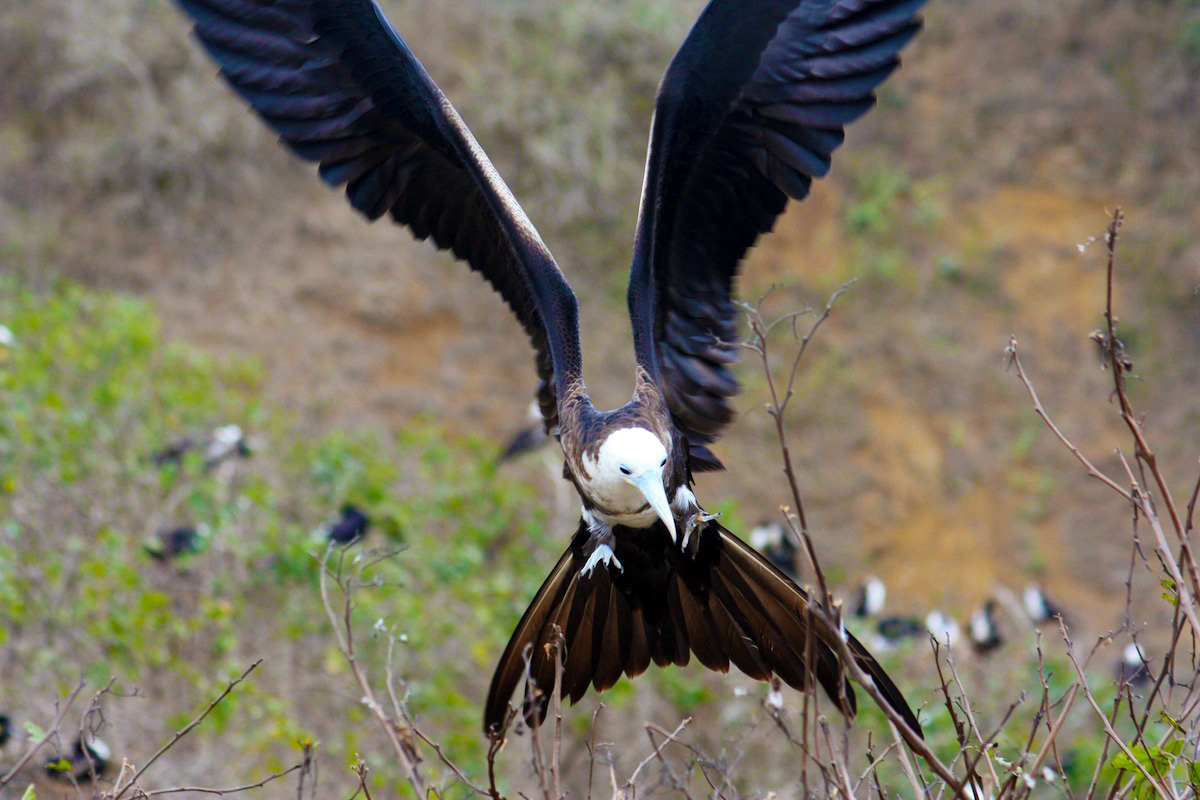
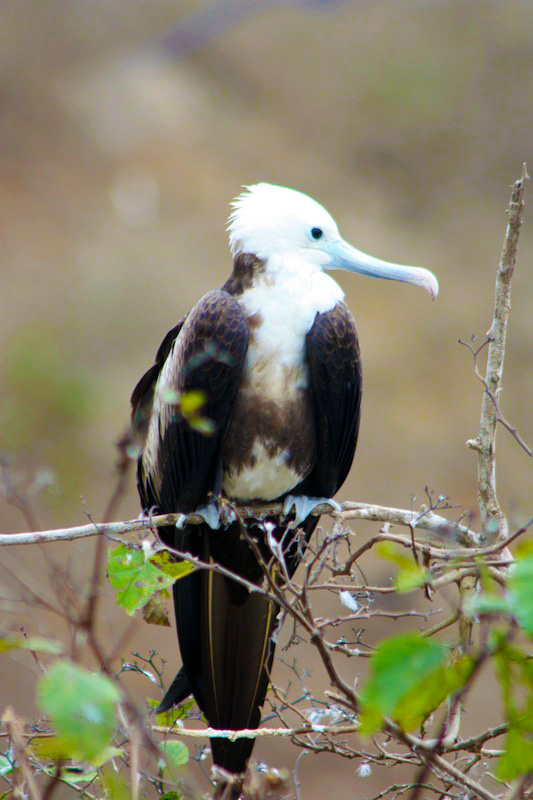
The tour then took us to the island which is chock-full of birds including the blue-footed bobbies. When we first laid eyes on the bird, I wondered if we had somehow fallen into Toontown. Our entire group was transfixed watching them act out their mating rituals including a foot to foot dance number performed by the males. After the bobby sightings, we hiked past hundreds of frigatebirds. Also found on the island are red-footed bobbies, albatrosses, pelicans and other seabirds. Since the Waved Albatross found there is critically endangered the hike near their nesting area is closed, so we were unable to get a glimpse of the elusive bird.

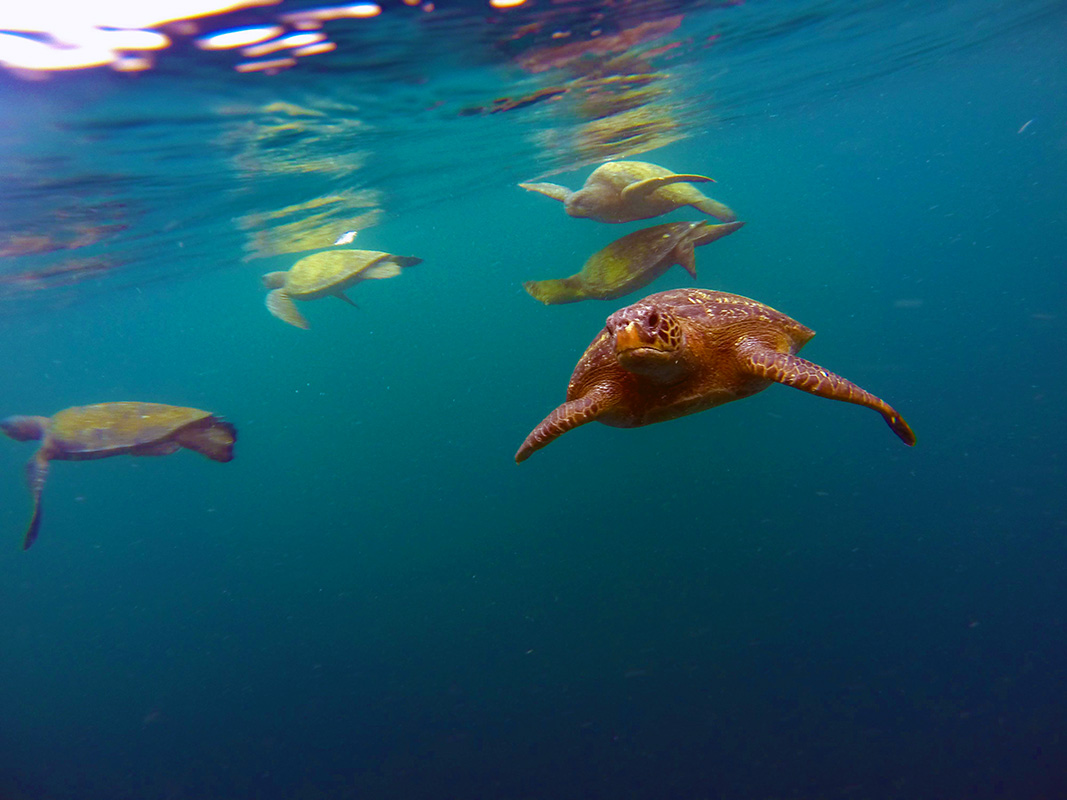
Five turtles turned up around our boat as we were getting ready to leave the island. A fitting farewell to a wonderful few hours spent appreciating the island wildlife.

We wrapped up the day with some snorkeling. No one in the group lasted longer than 30 minutes in the water because of the cool weather. The snorkeling was pretty decent though. If you take the tour which I highly recommend, definitely take layers. It’s pretty chilly on the crossing from the mainland to the island. We went with Machalilla Tours which worked out well for us.

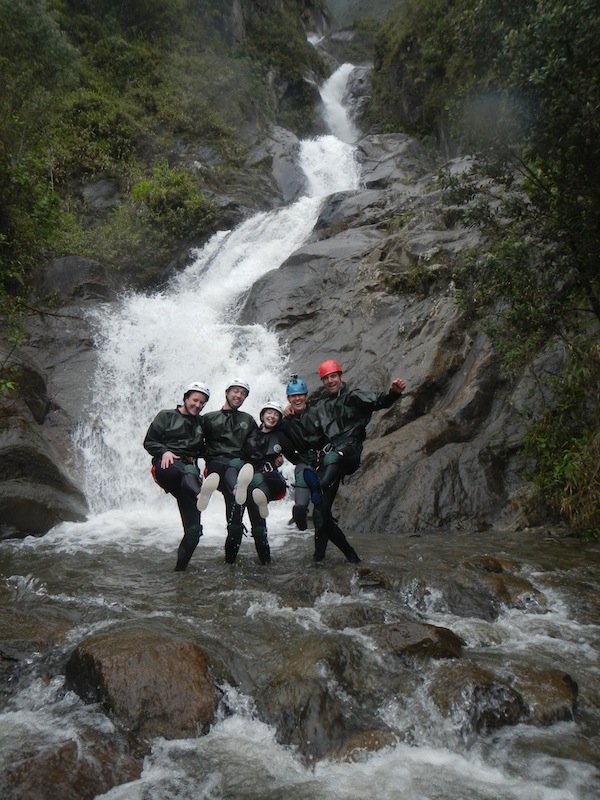
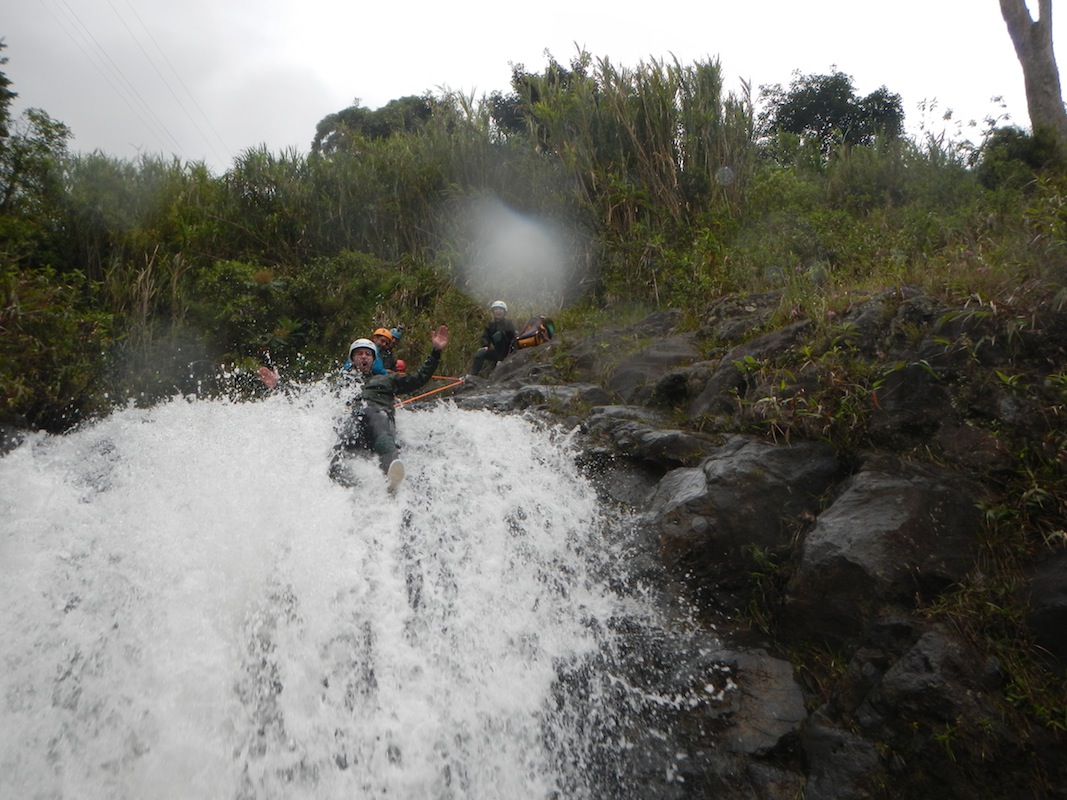
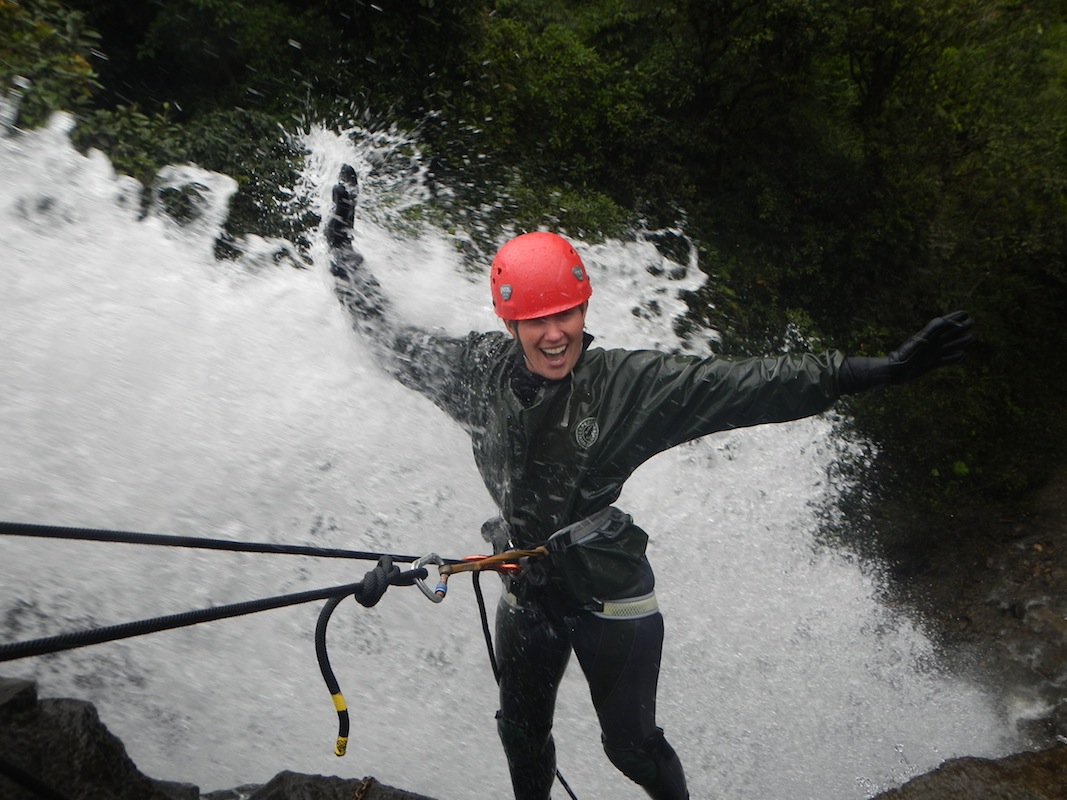
Rappelling over waterfalls in Baños Ecuador

Baños in Ecuador’s central highlands is named after the hydrothermal springs of mineral water located around the city. Why did we decide to head there? Nothing more than it sounded cool. There are plenty of waterfalls, hiking, paddling and canyoneering to be had not to mention the thermal baths and cheap massages.

We set up camp a little outside of Baños proper along ruta de las cascadas (the waterfall route) at Hostel Pequeño Paraiso. The hostel surroundings are lush and I admittedly geeked out a little on their industrial stove taking every opportunity to cook us up some tasty meals.

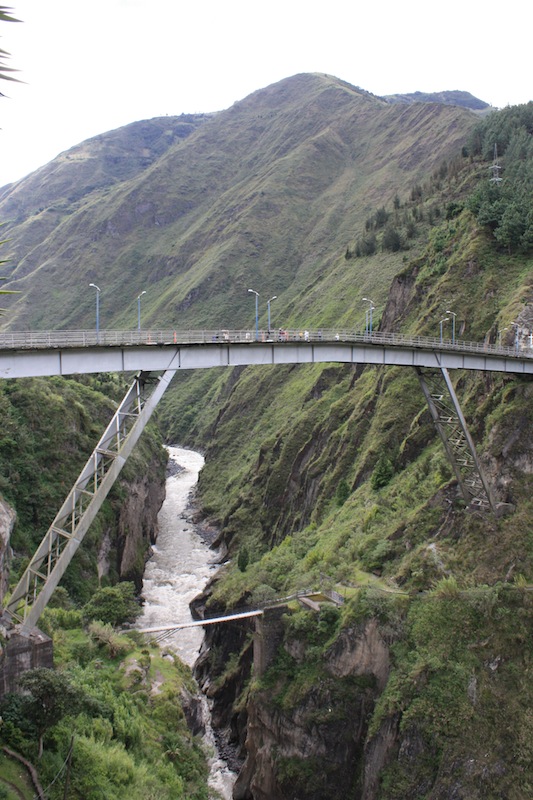
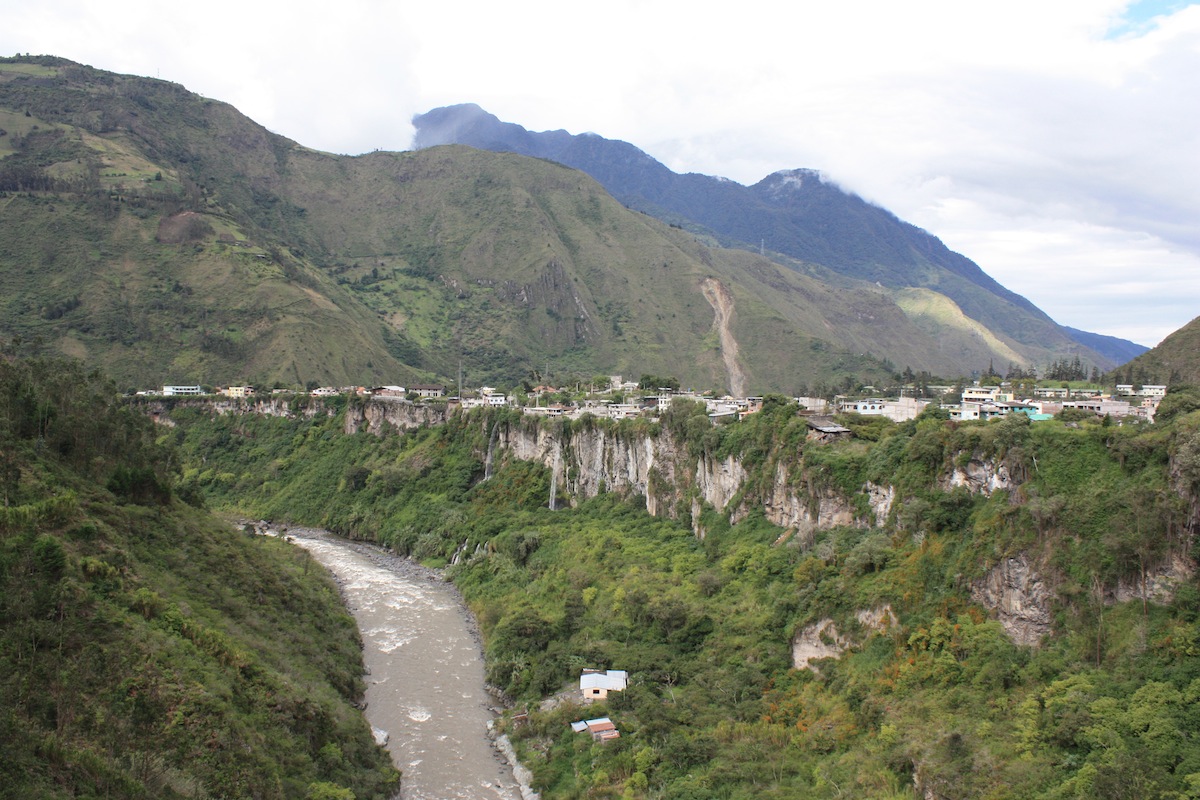
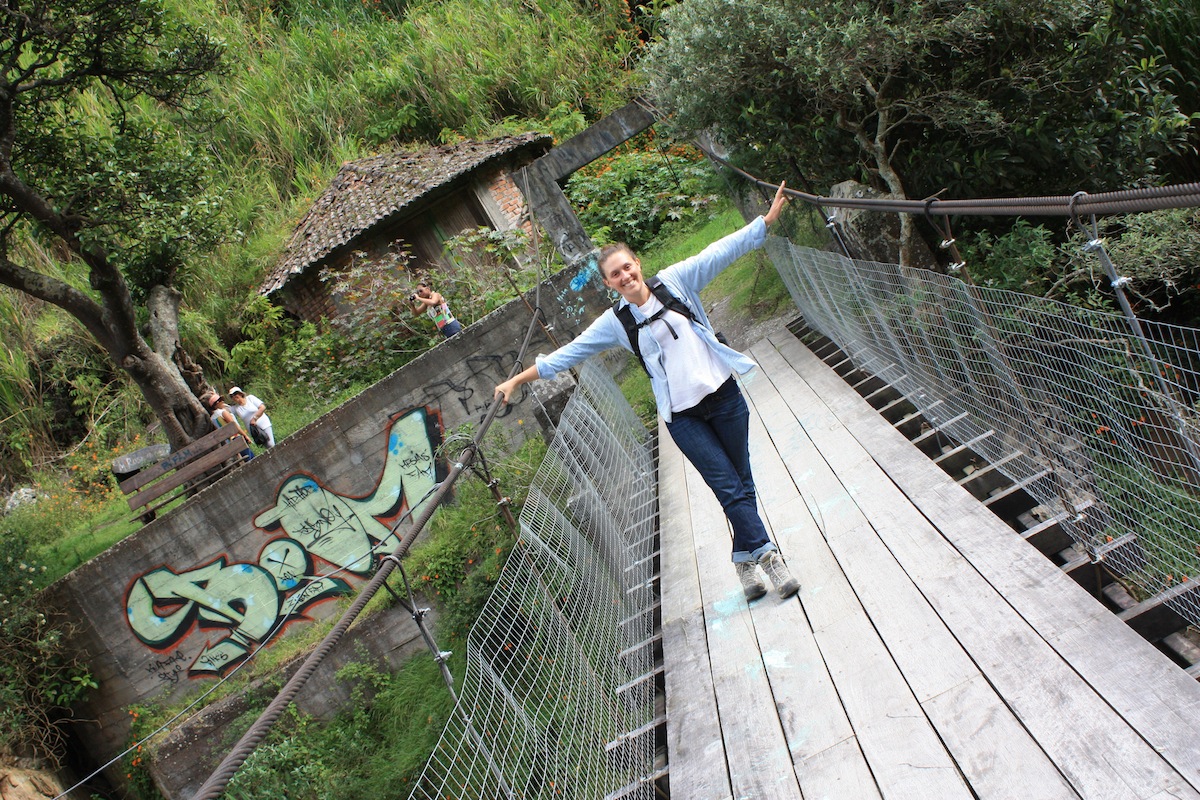
We had a poke around town on our first day. The town is situated beside the Pastaza River valley which means plenty of bridges and dramatic views down and along the river.

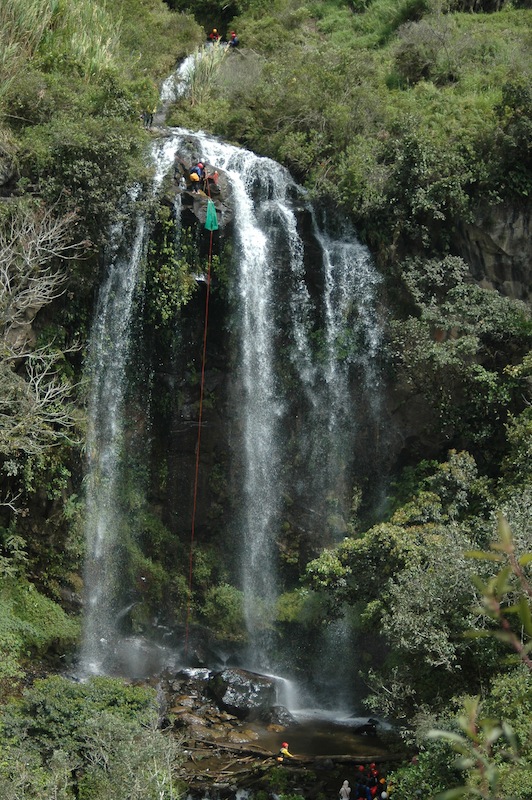
Touring around town, it became immediately clear that we would not be leaving Baños without some waterfall rappelling. The canyoneering signs around town were baiting George and he took the bait. We choose a half day option which had us rappelling down 4 waterfalls, the biggest of which was a 40 meter drop.

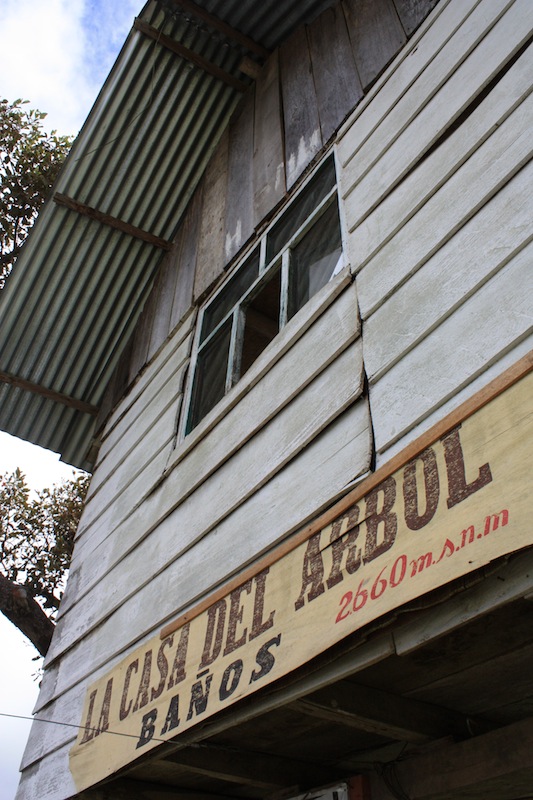
High above the city sits La Casa Del Arbol with a view of Tungurahua Volcano. Because of cloud cover, it’s rare that you can actually see the volcano. I took a ride on the less than stable tree house swing and then G and I headed up the tree for the views. That was definitely the right order to do things. After seeing the swaying branch the swing was suspended from, there was no way I was getting back on it.

We went to collect Vida after the swinging and immediately realized there was a problem. The engine would stall when it was idling. I had a hundred questions for George, but he had his concerned about the car face on, so I decided to keep my mouth shut. He then passed on a little gem to me – apparently the breaks don’t work on the truck when the engine cuts out? We were just about to descend 845 meters into town. George made the call to go ahead without calling for help. The plan to keep the brakes working was to continually rev the engine so it didn’t stall. As I white knuckled our door handle, George finessed the the gas and brakes while rolling down the hill in neutral.

The truck has been running fine since the minor scare, but we are loading up a friend coming to visit with spare parts.