Parque Nacional Natural Tayrona

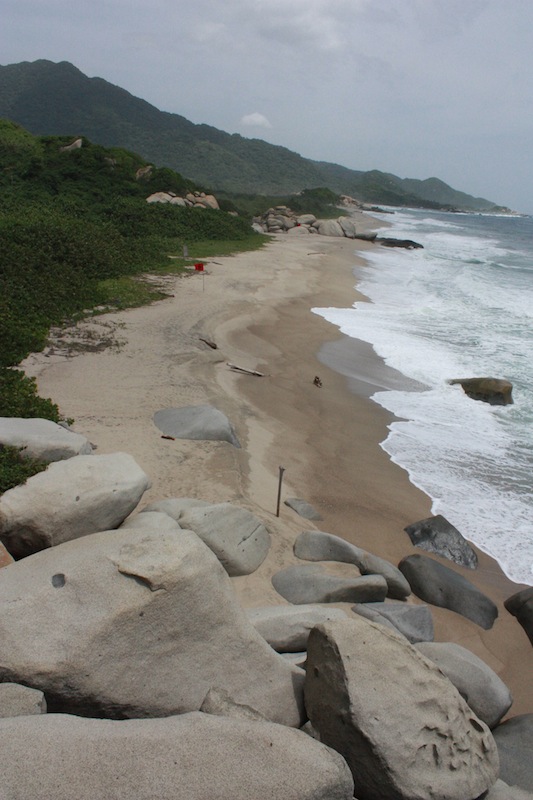
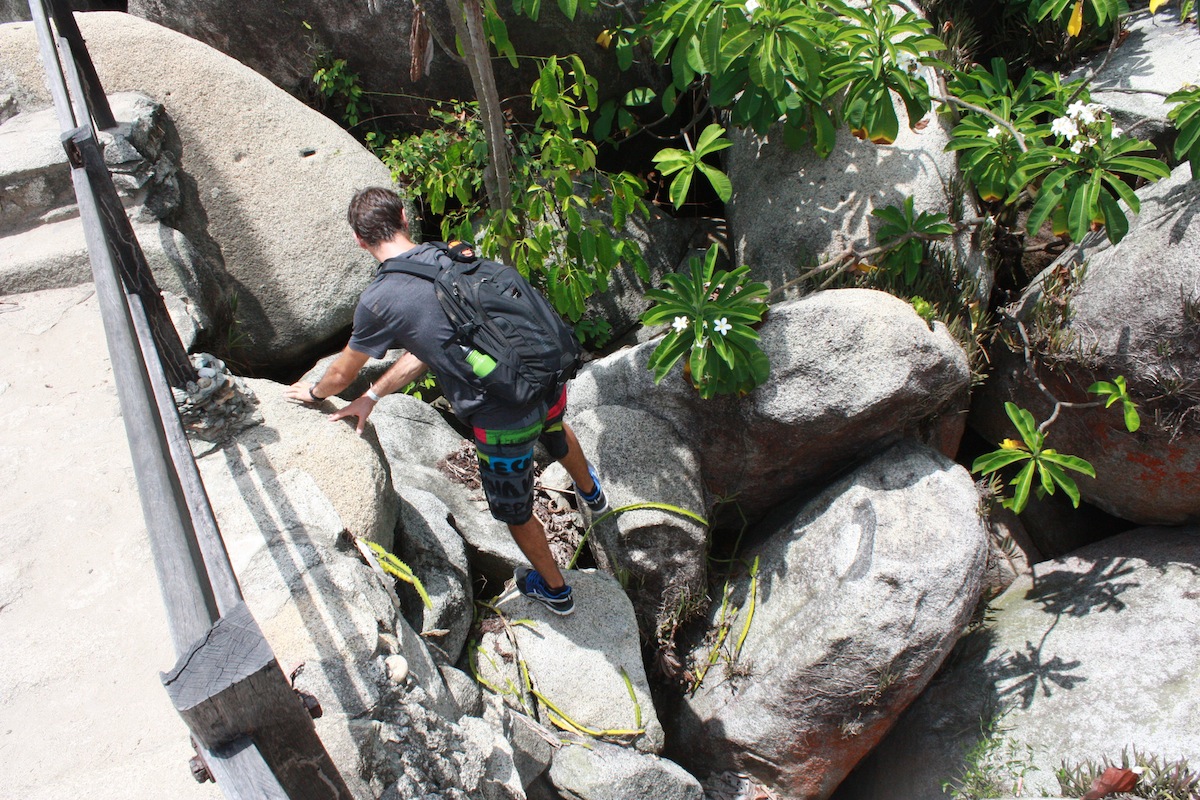
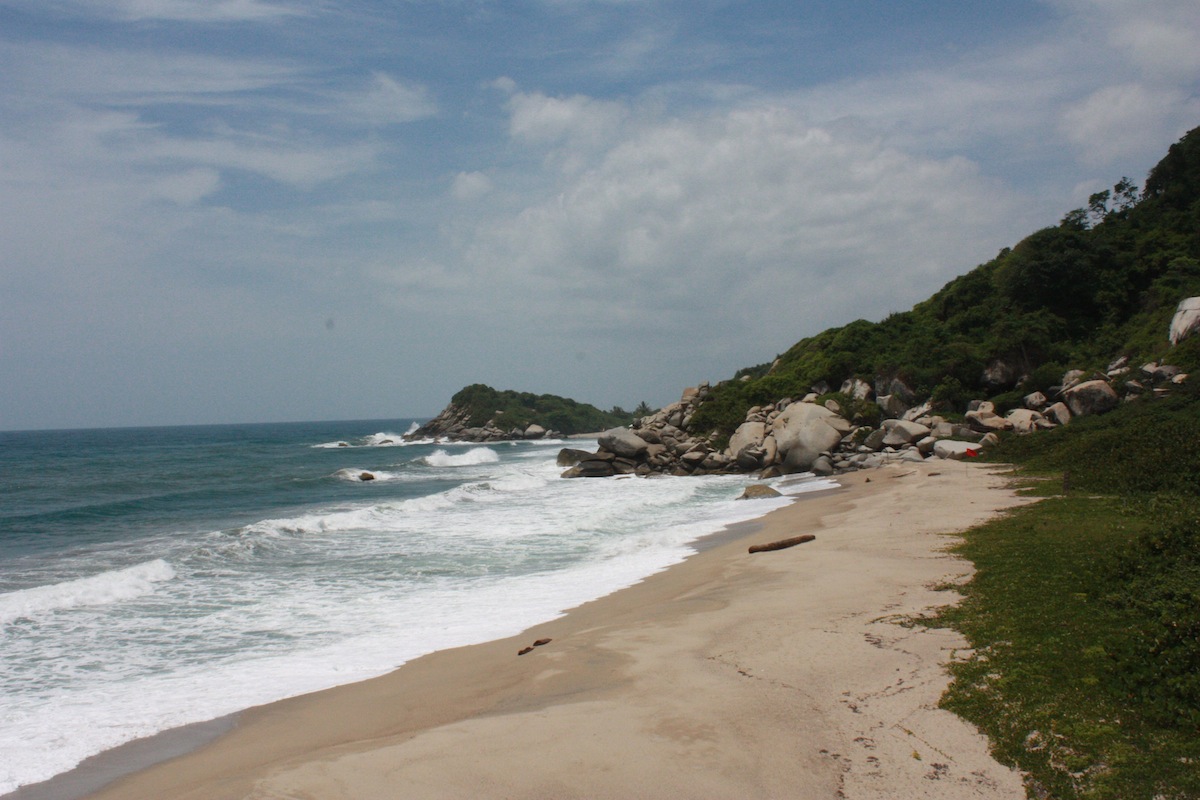
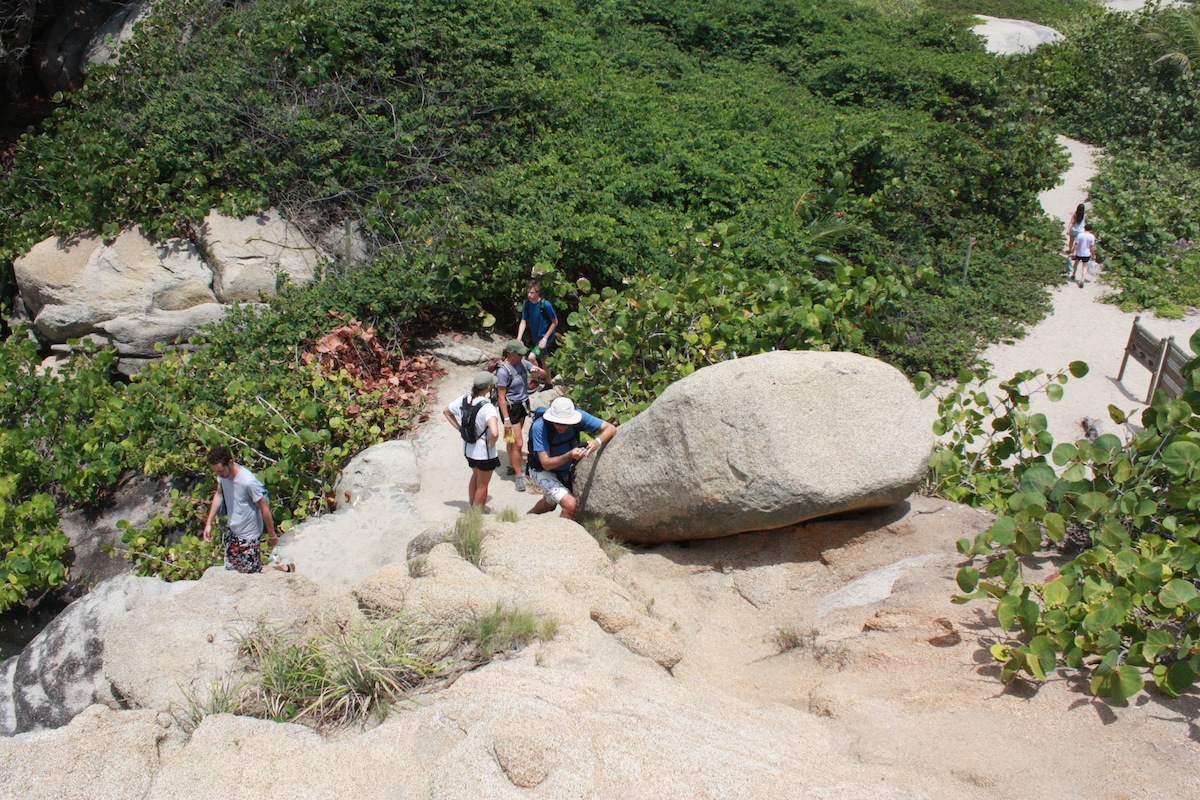
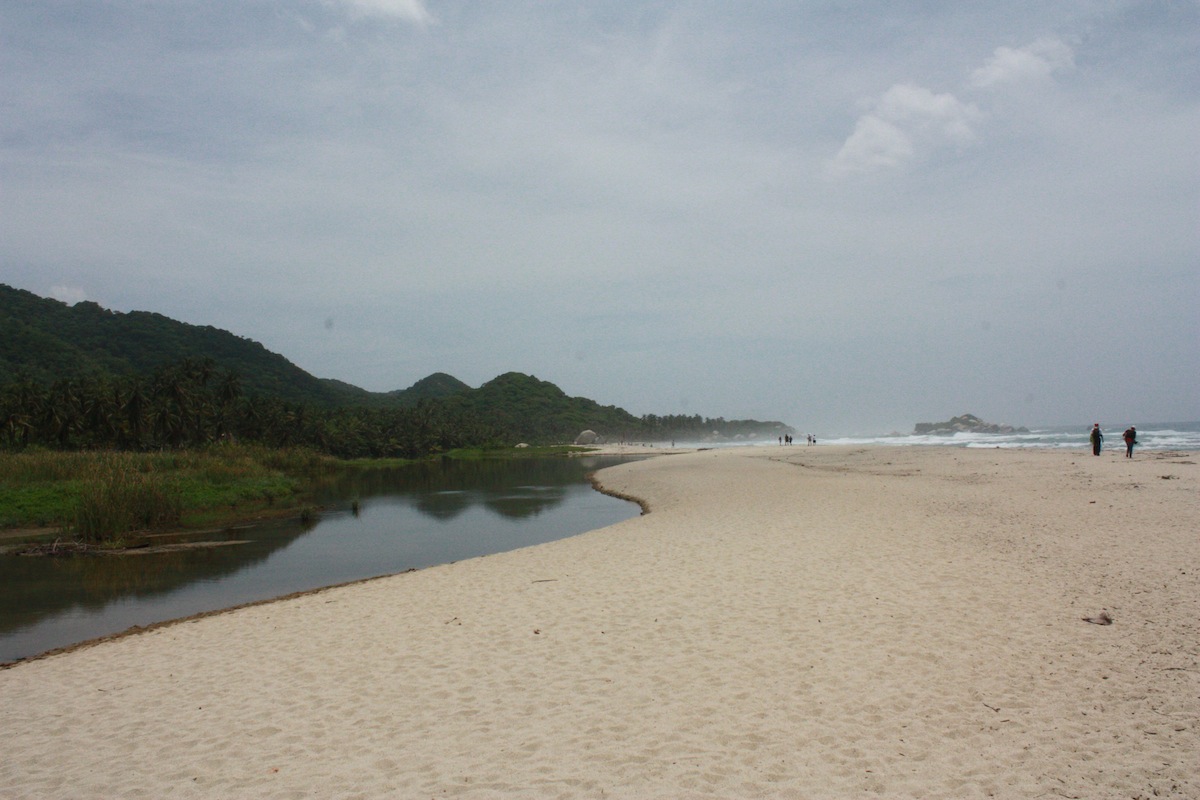
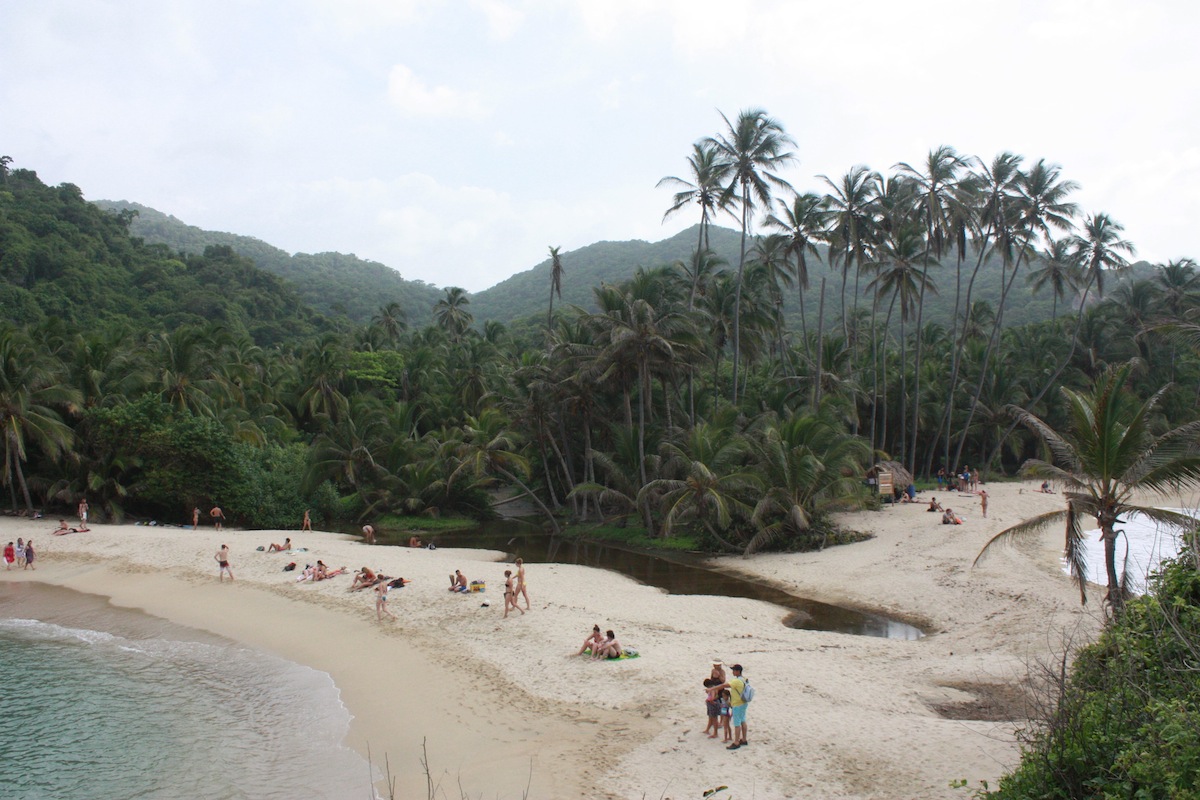
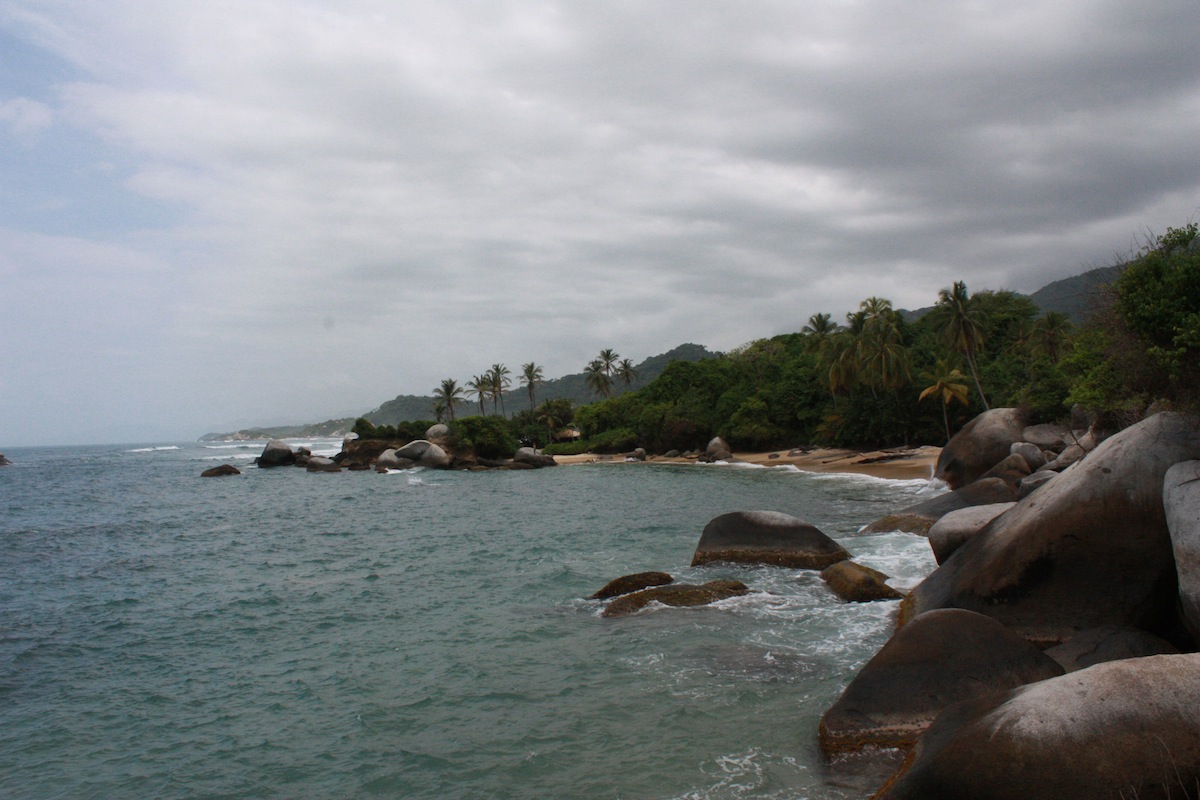
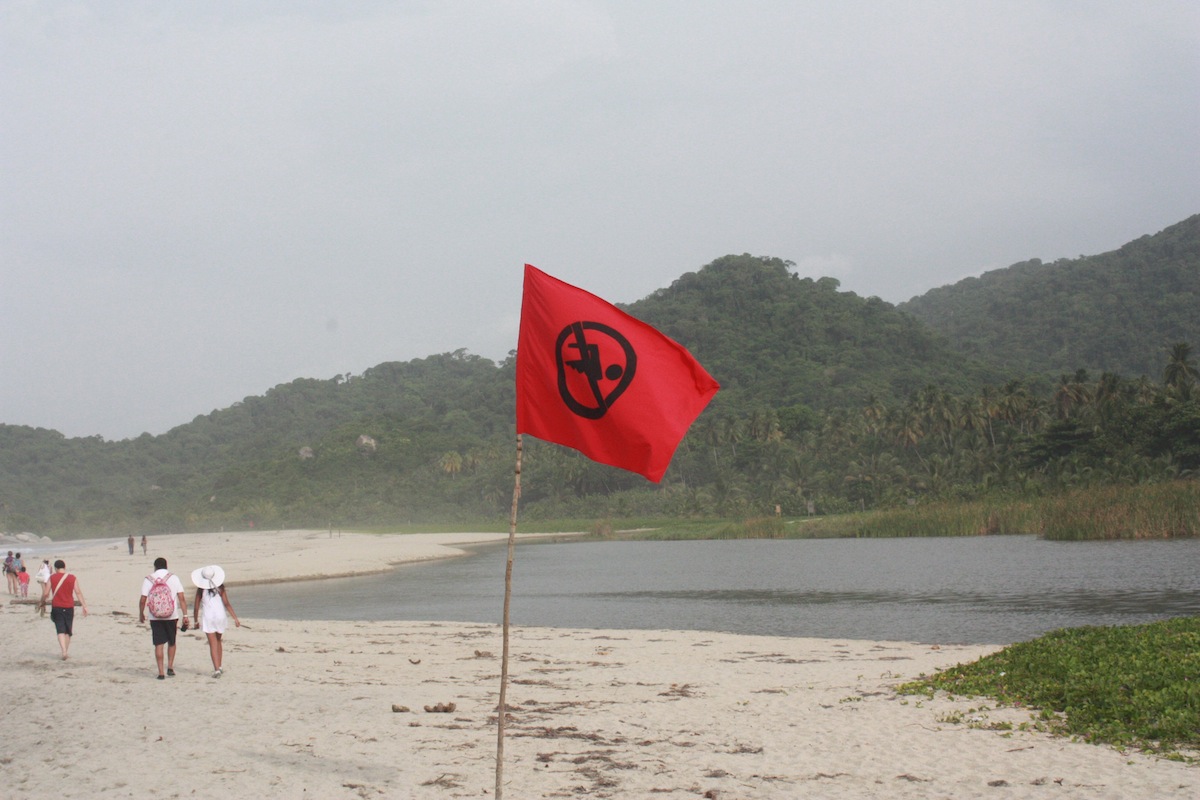
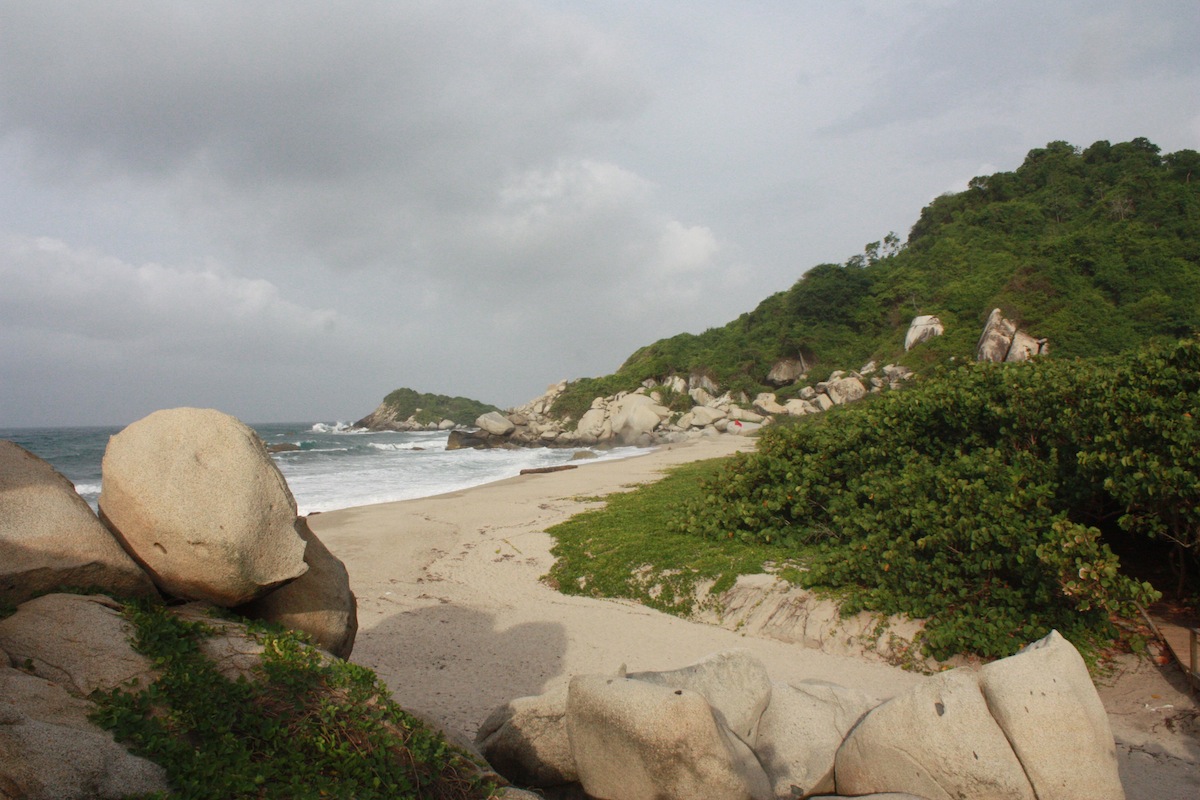
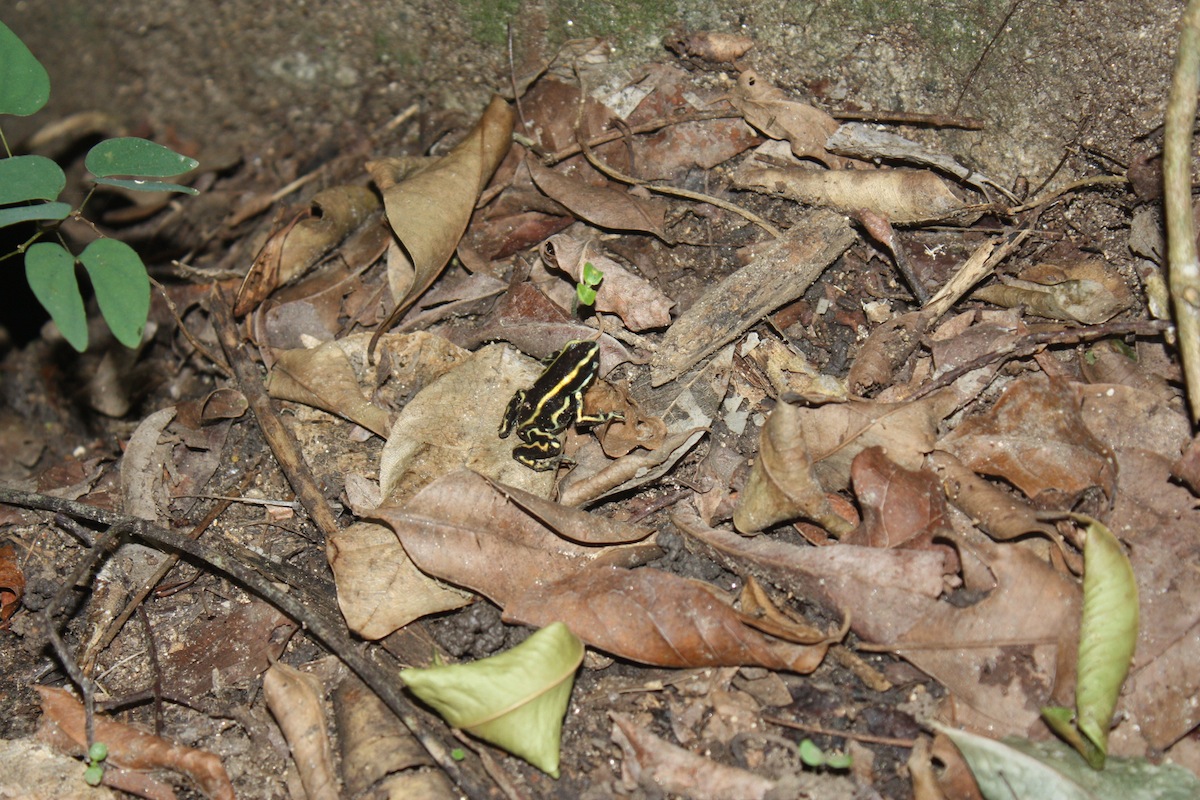
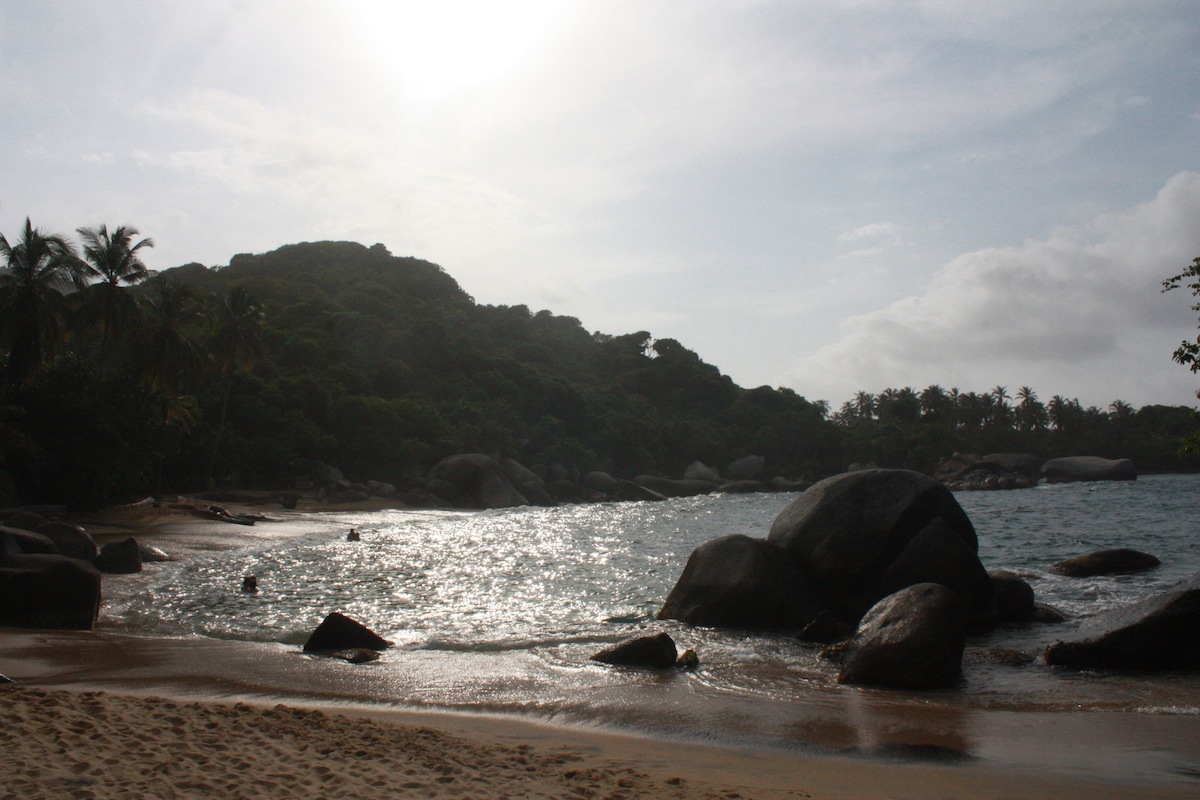
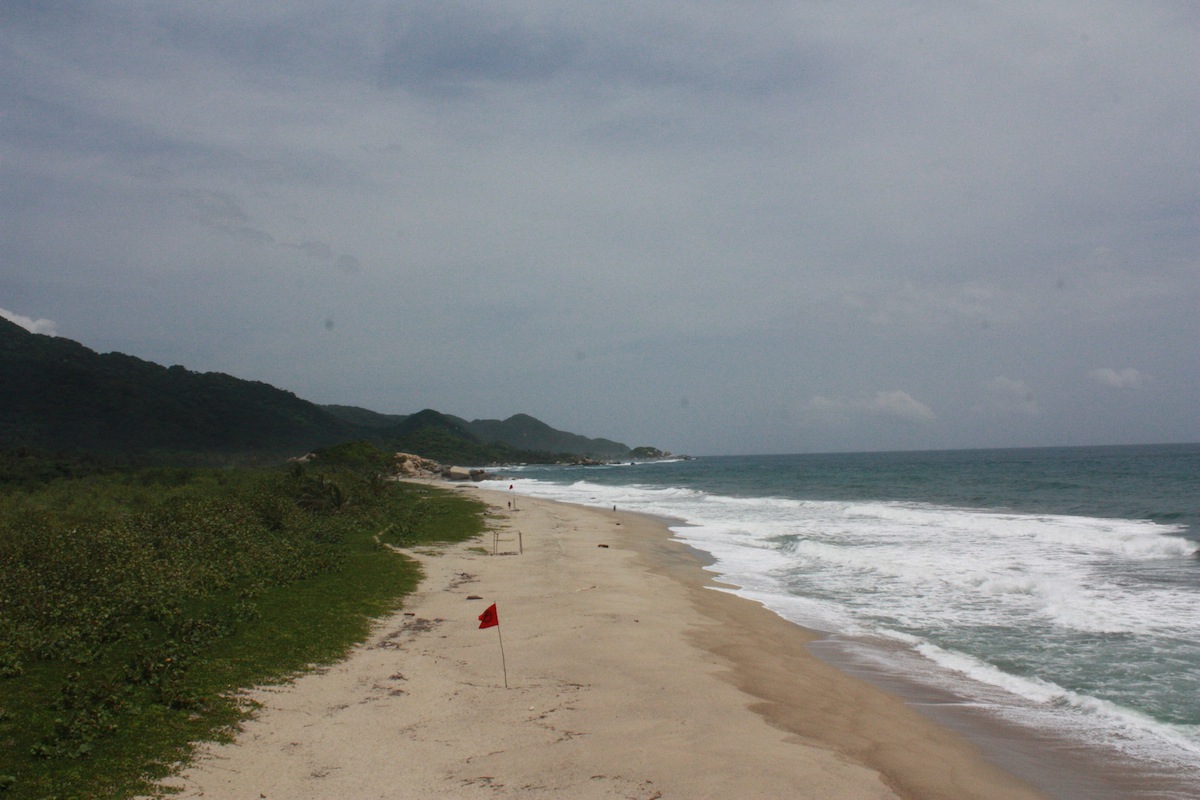
Using Taganga as a jumping off point, we decided to hike into Tayrona on the caribbean coast for a day and take advantage of the beautiful beaches. Tayrona is a great place to kick back and relax away from the pull of modern life. The Tayrona hike starts off in jungle (and blessed shade), but soon turns into a beach slog (see my feelings about beach slogs in the sun). Our plan was to spend the day at Cabo San Juan, one of the further beaches from the entrance. There are plenty of camping options in the park including Cabo San Juan. The gotcha is that you need to haul in your own food and water (or pay park prices). You can hire a horse to do the hard work for you (a highly recommended option).

Before we set out, I was pleased to hear the park had a no-plastic bag policy. G and I are constantly reminded what a plague on humanity plastic bags are (and bottles for that matter). They stand out, they cling and they linger. Disappointingly, many visitors were hauling in plastic bags. The park authority does manage to keep the park clean despite this.

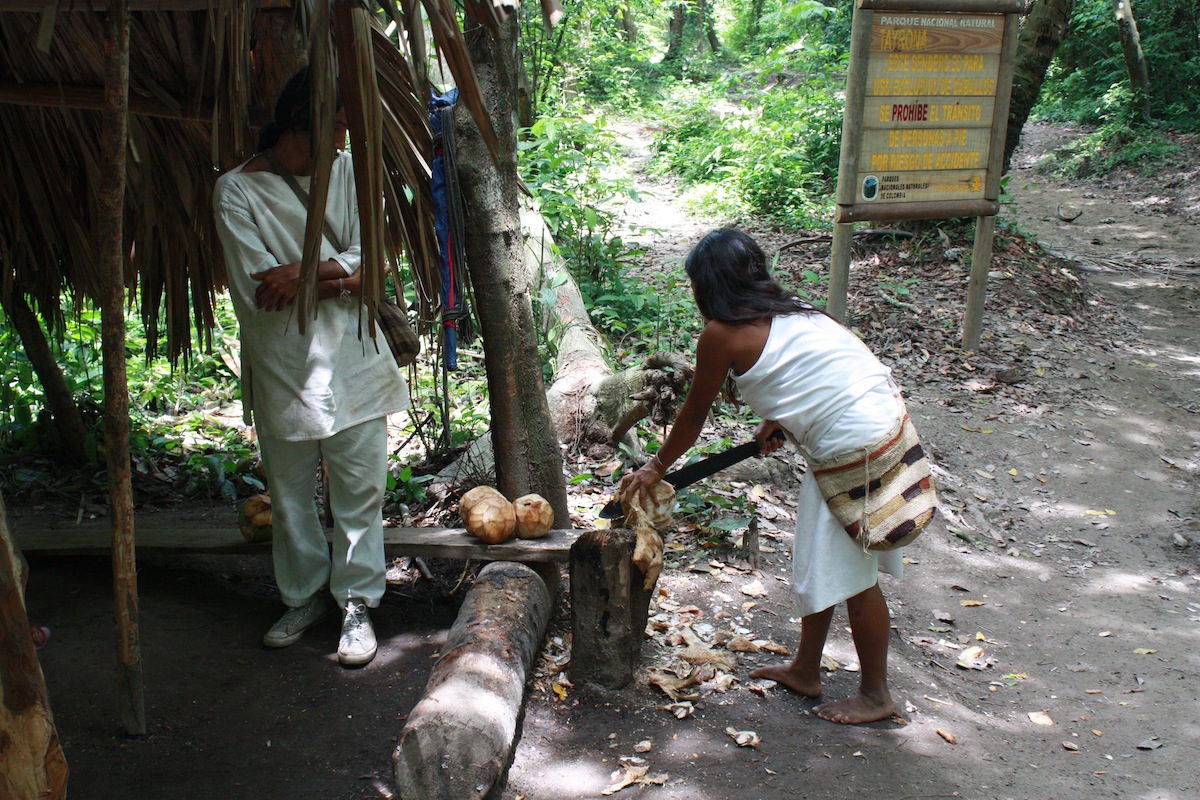
We were rewarded for our hiking efforts with some beautiful beaches and refreshing coconuts prepared by a indigenous woman. The coconut preparation was a funny scene. The woman prepared coconut after coconut with her machete while an indigenous man (husband? brother?)  sat by and watched. In retrospect, she looked like the more capable one, and I was convinced she could crush those same coconuts with her bare hands. In any case, when you’re sunbaked, fresh coconut water is like a dream.




T-T-T-Taganga

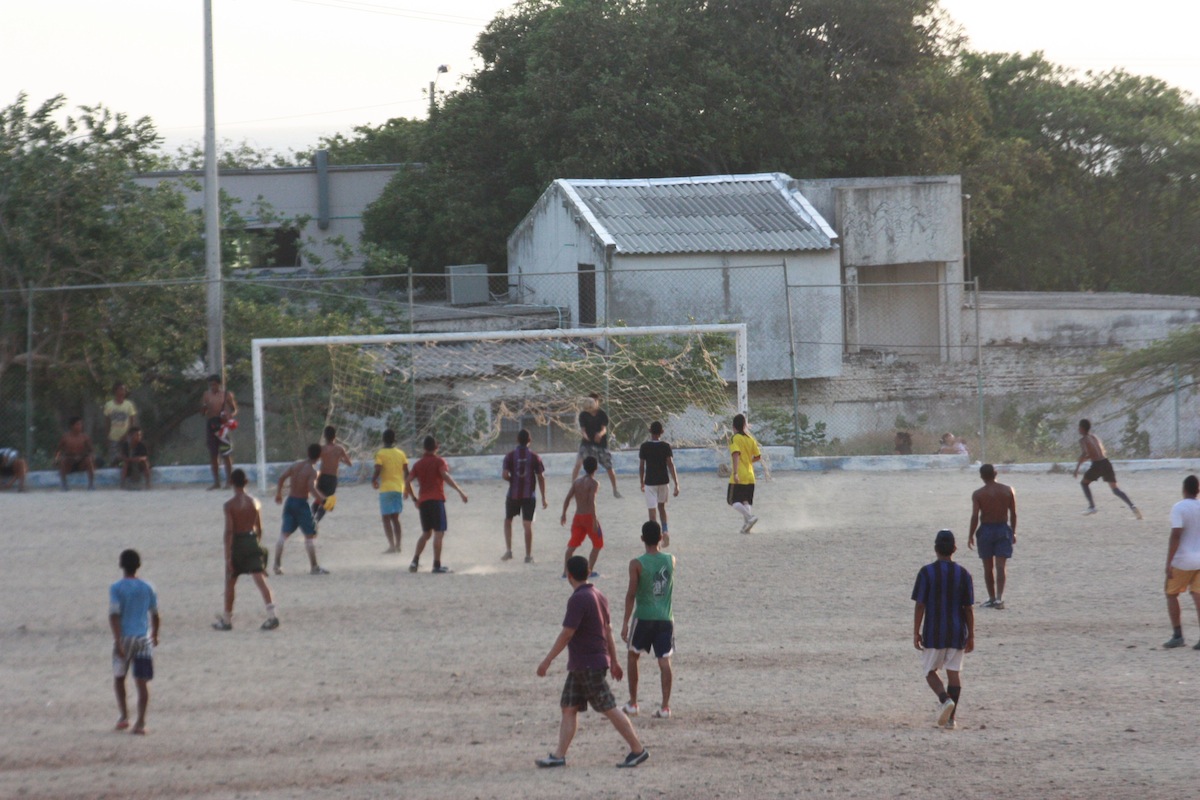
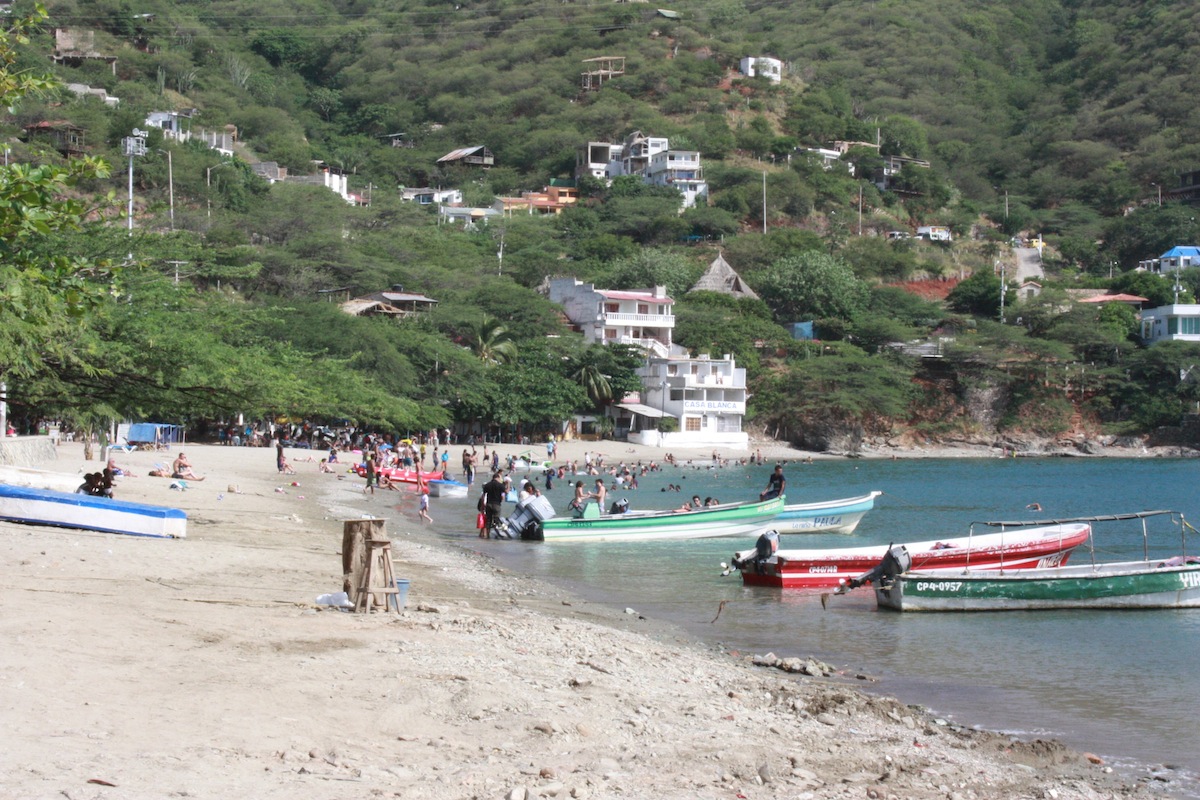
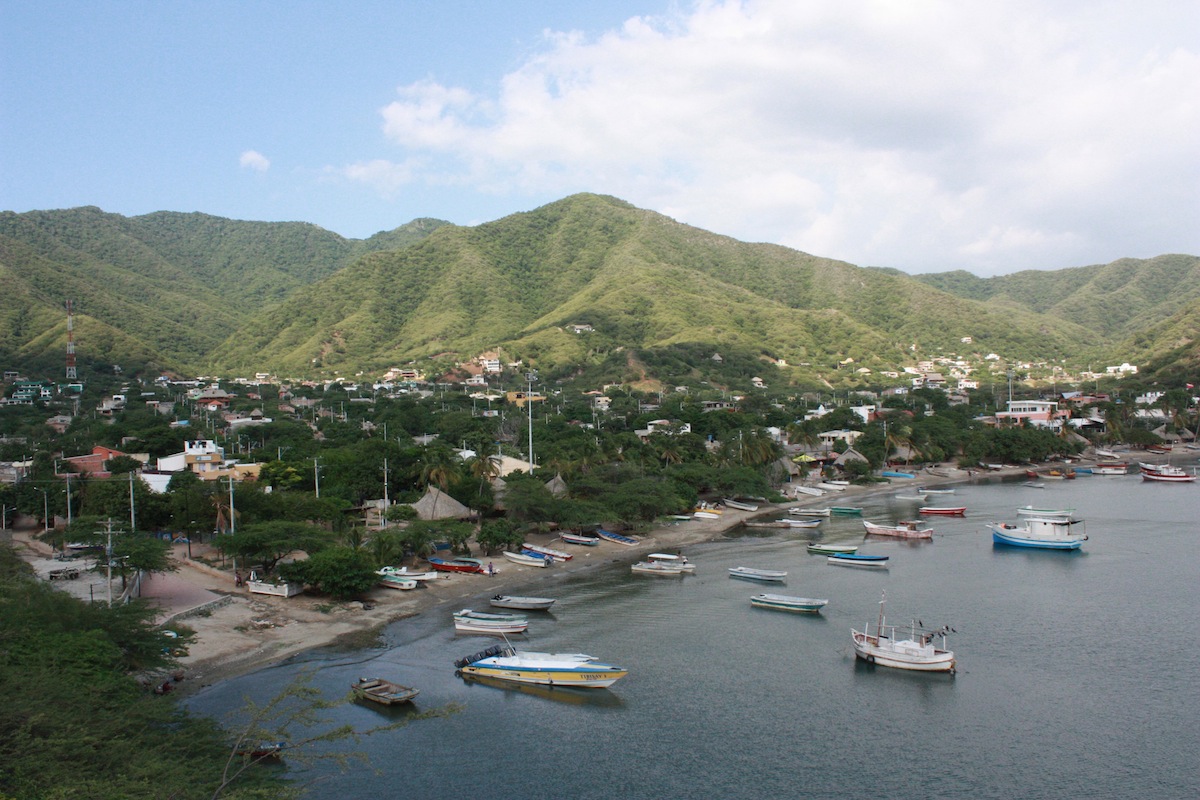
Our first stop heading north was Taganga, which has some mediocre okay beaches but is primarily used as a jumping off point for other attractions like Tayrona National Park. The G and I were just happy to be together back in Vida and sleeping in Taj.

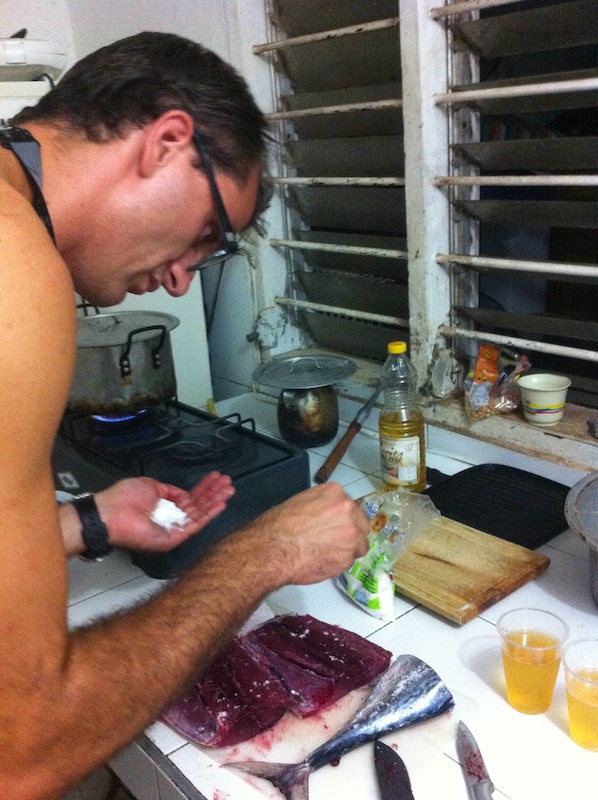
The local fisherman were bringing in the day’s catch as we were walking along the beach our first evening. G was all over that and picked up a fish in the tuna family (much smaller of course). Now, the pair of us are incapable of remembering names (especially Spanish names), so we have no idea what kind of fish it is. I will hence dub it “delicious mini tuna fish”. George took care of the cooking duties.

Doing it all over, I’d would skip Taganga all together and head directly to Tayrona. Taganga is not a pristine little fishing village, it’s something else entirely. A few days after leaving, we heard some disturbing stories about backpackers getting mugged in the street and a hostel getting held up.


Reunited and heading north

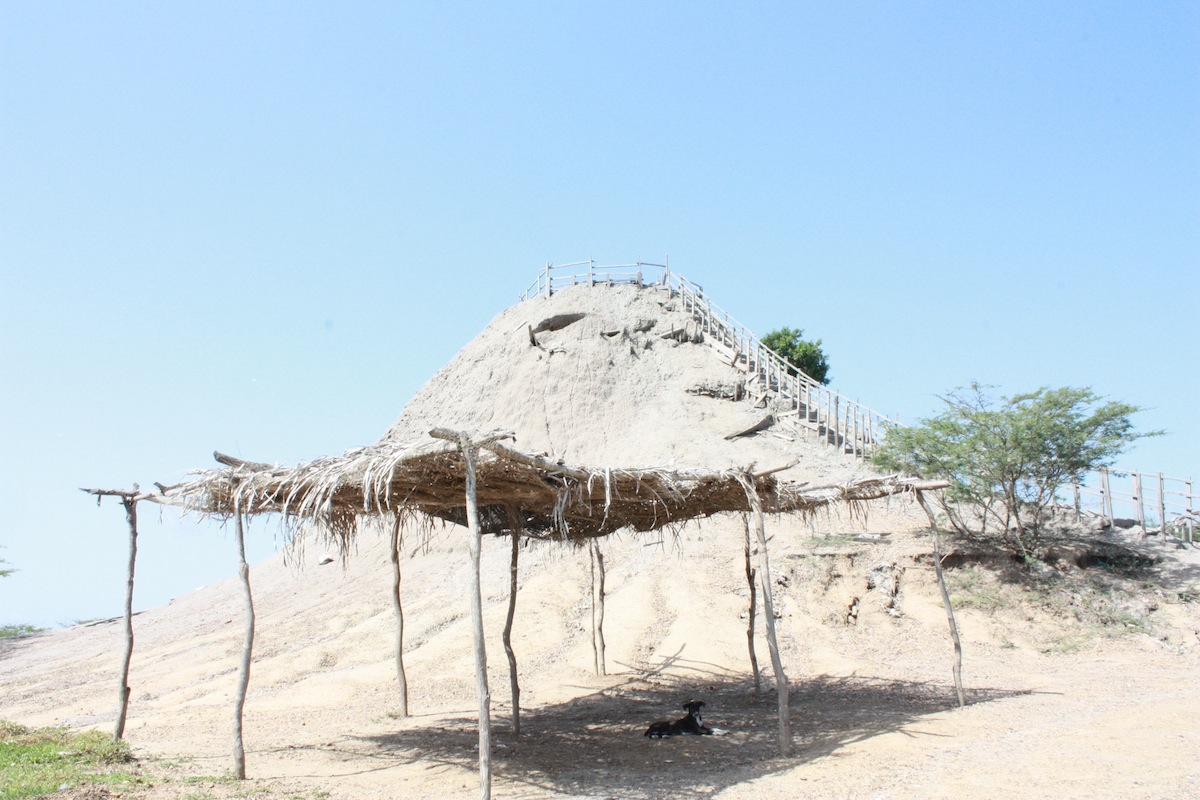
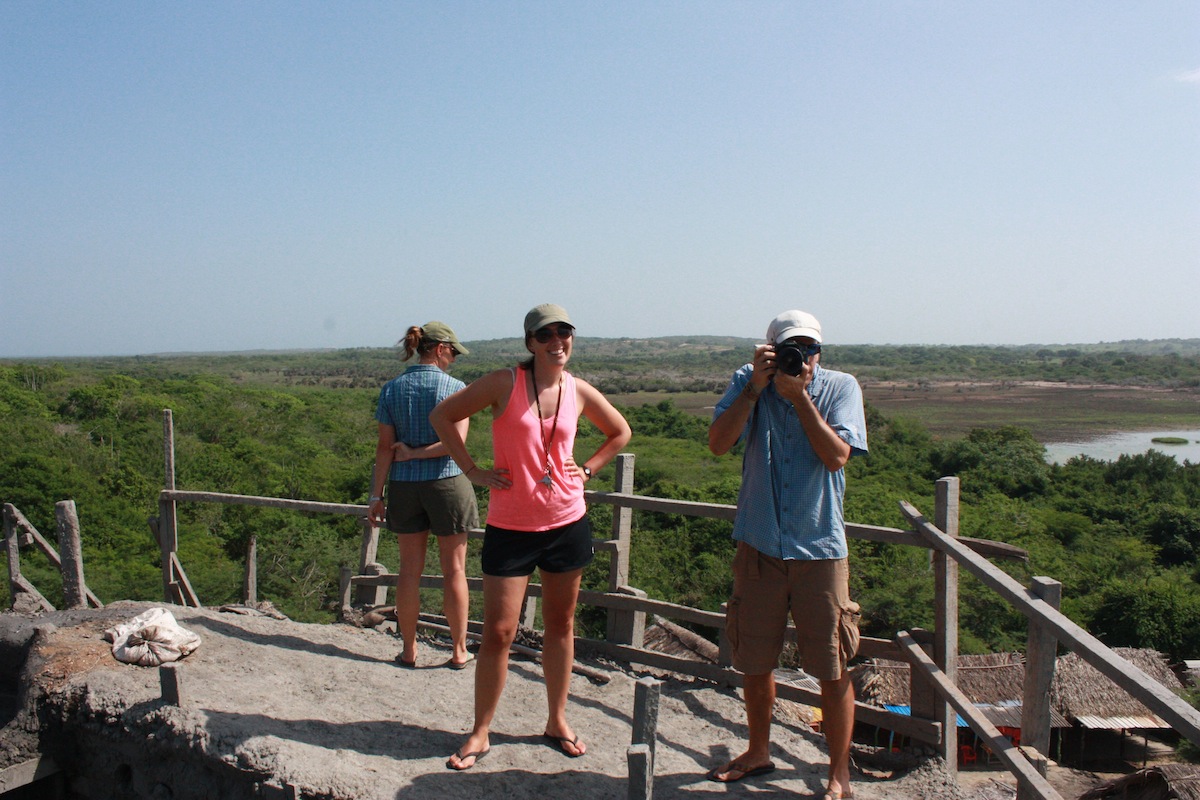
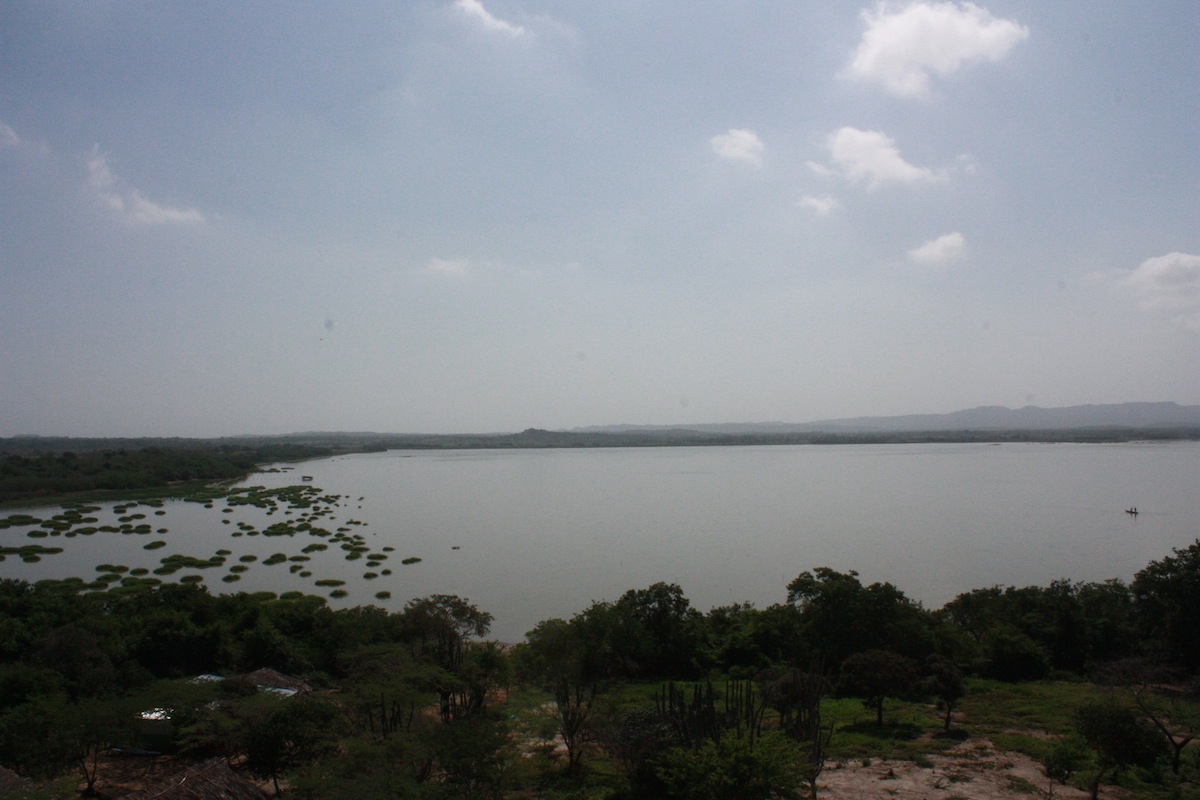
After George reunited in Cartagena with our little shipping party, we decided to head north (momentarily breaking our south-only driving rule).  We stopped by Volcán de Lodo El Totumo on the way.  Technically it’s a volcano, but the only thing it’s spewing is mud.  A minute climb up a muddy staircase will have you at the top of this behemoth.  We decided not to partake because of the sizzling temperature and long drive ahead of us (that’s my story and I’m sticking to it).


Cartagena, a crown jewel

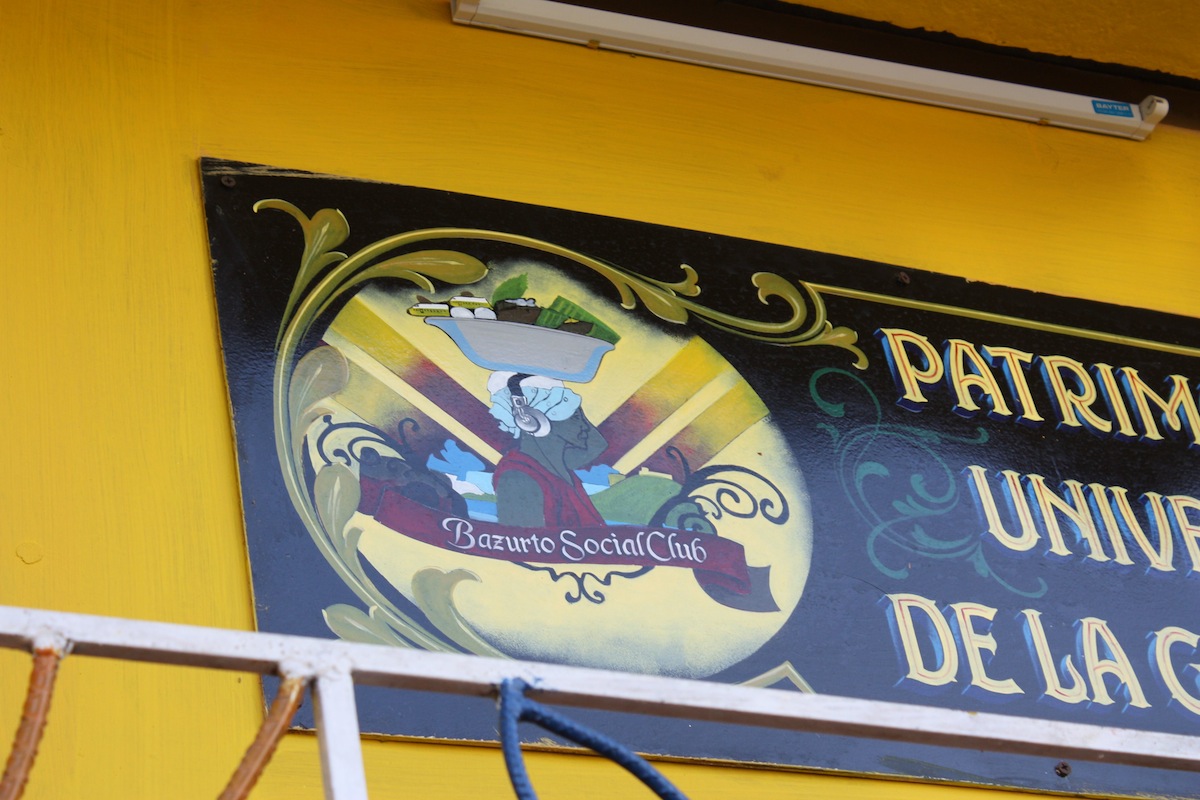
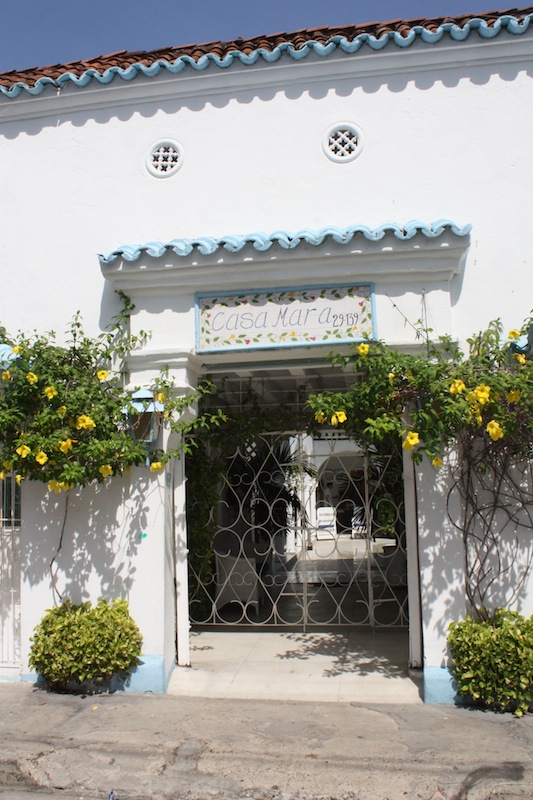
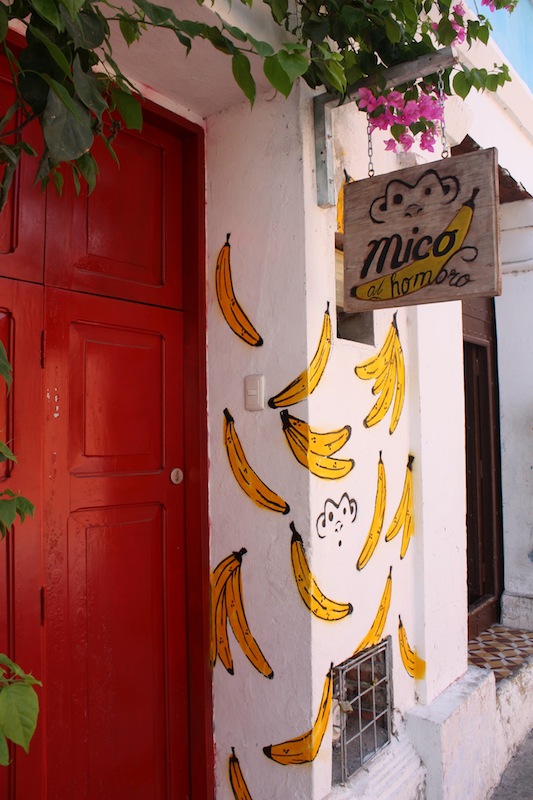
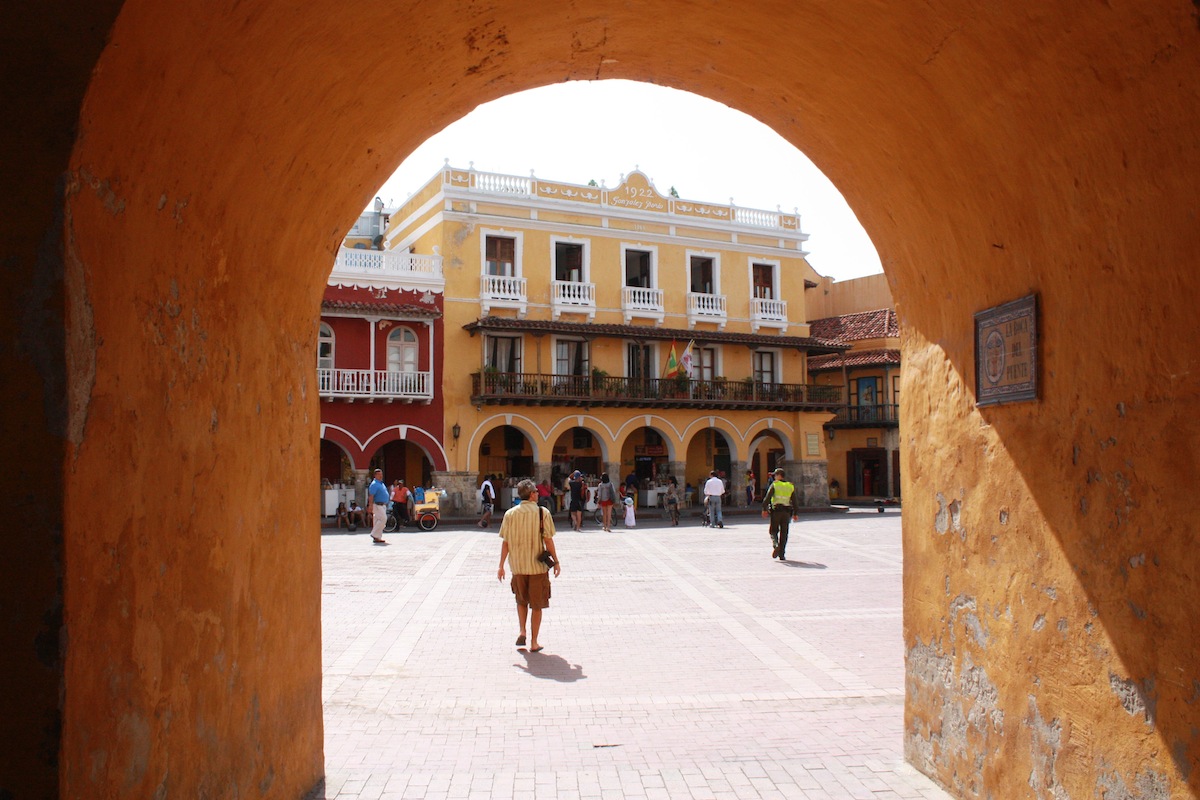
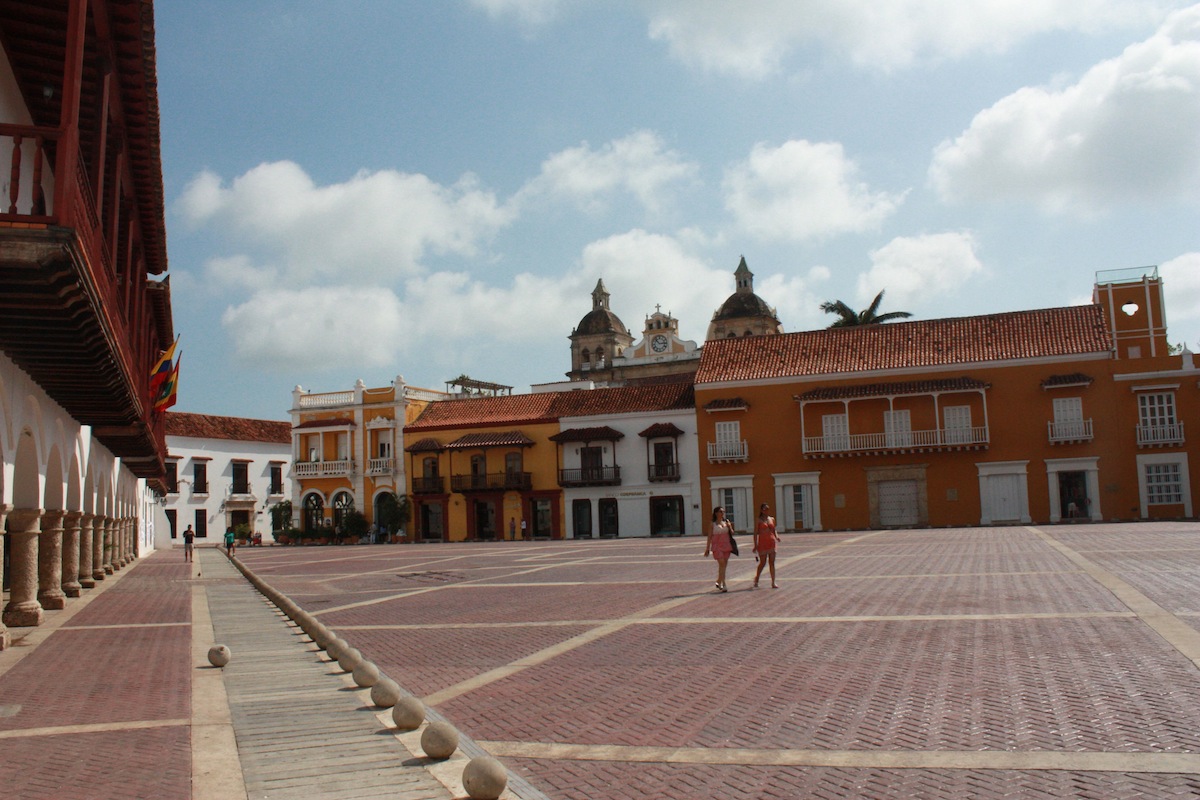
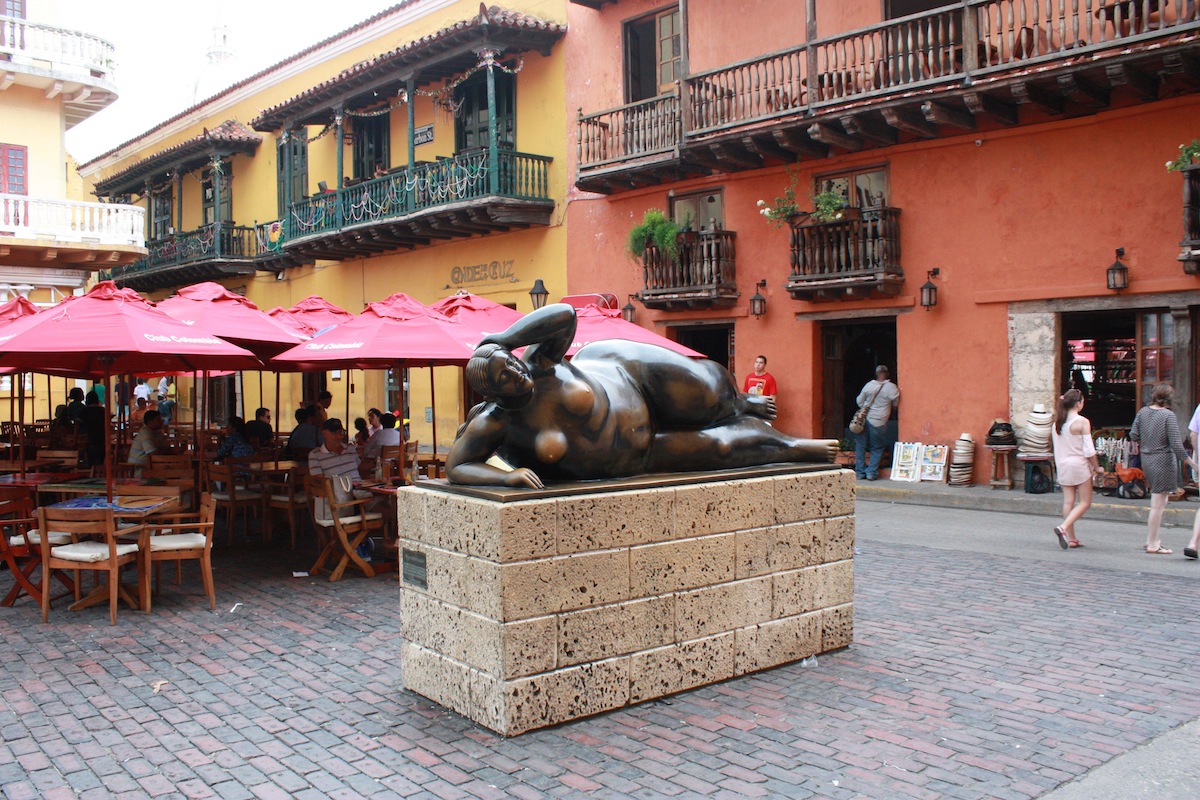
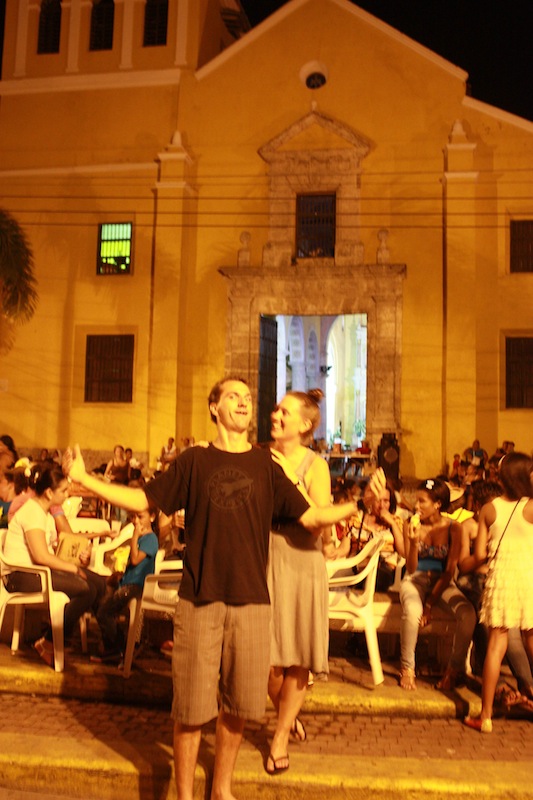
I’ve done my fare share of raving about some other colonial cities, but Cartagena really stands alone.  Why you ask?  Start with the fact that it’s gorgeous and well preserved.  Add in the fact that it still feels like a Colombian city.  Sure, there are plenty of tourists about, but Cartagena hasn’t (yet) been bought up by foreigners.  Finally, throw in a cultural focus on the arts and you end up with something amazing.

In between the port runs, we managed to check out the city.  We stayed in the Getsemani neighborhood.  A slightly less gentrified and more affordable version of the walled old town neighborhood.  Both offer plenty of eye candy.

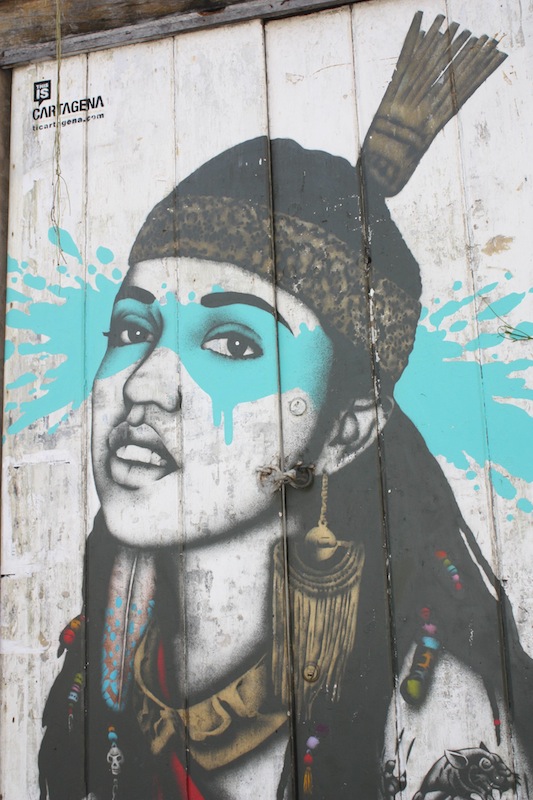
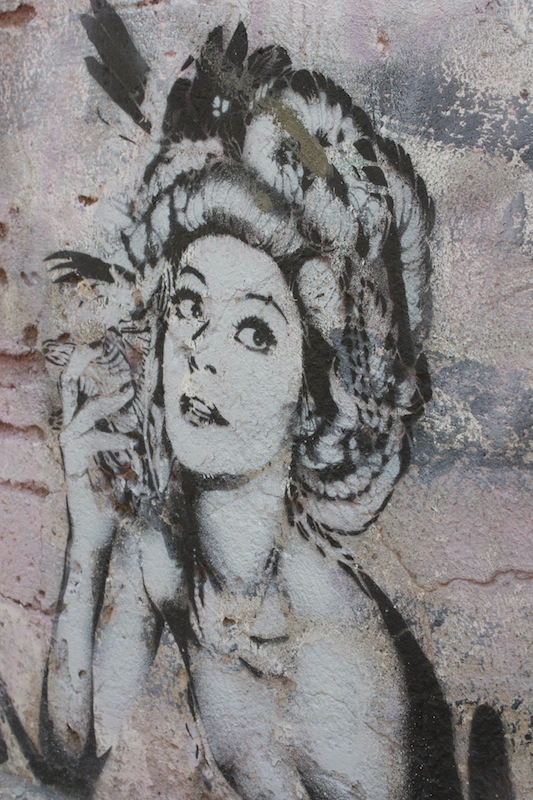
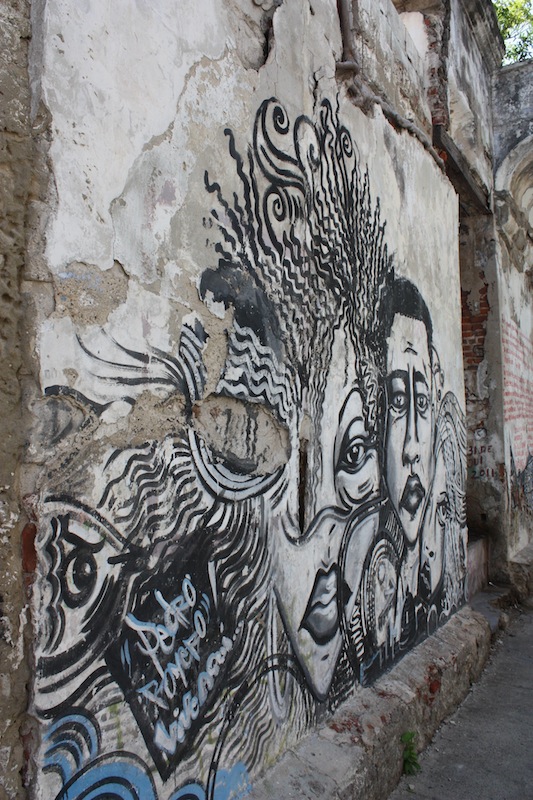
My favorite moment in the city is chancing upon an art walk.  A run down street had been transformed by local artists until such time when the properties would be developed.  This was an organized effort.  A local man even stopped to explain the art and make a point about the countries focus on the arts.