Rappelling over waterfalls in Baños Ecuador

Baños in Ecuador’s central highlands is named after the hydrothermal springs of mineral water located around the city. Why did we decide to head there? Nothing more than it sounded cool. There are plenty of waterfalls, hiking, paddling and canyoneering to be had not to mention the thermal baths and cheap massages.

We set up camp a little outside of Baños proper along ruta de las cascadas (the waterfall route) at Hostel Pequeño Paraiso. The hostel surroundings are lush and I admittedly geeked out a little on their industrial stove taking every opportunity to cook us up some tasty meals.

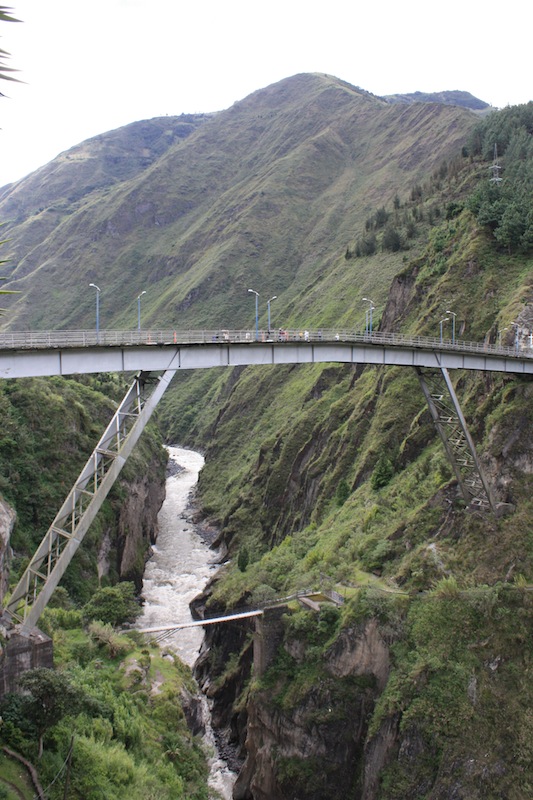
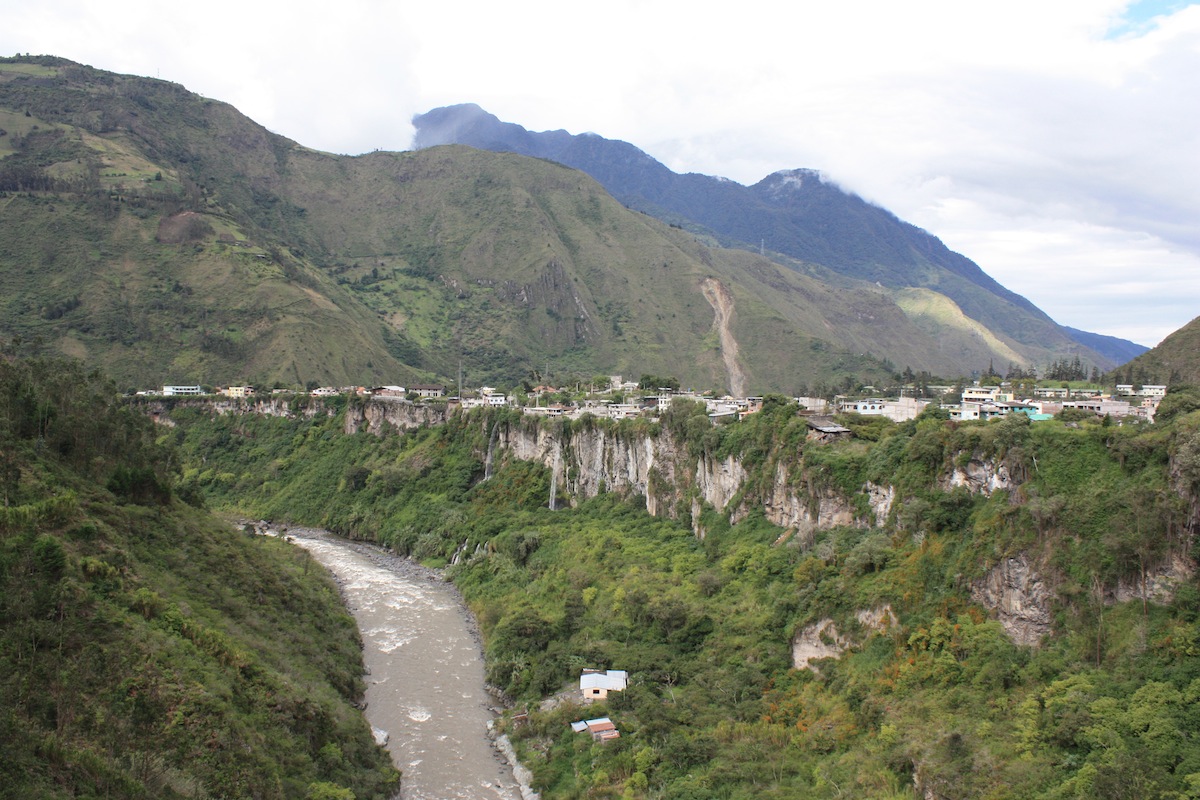
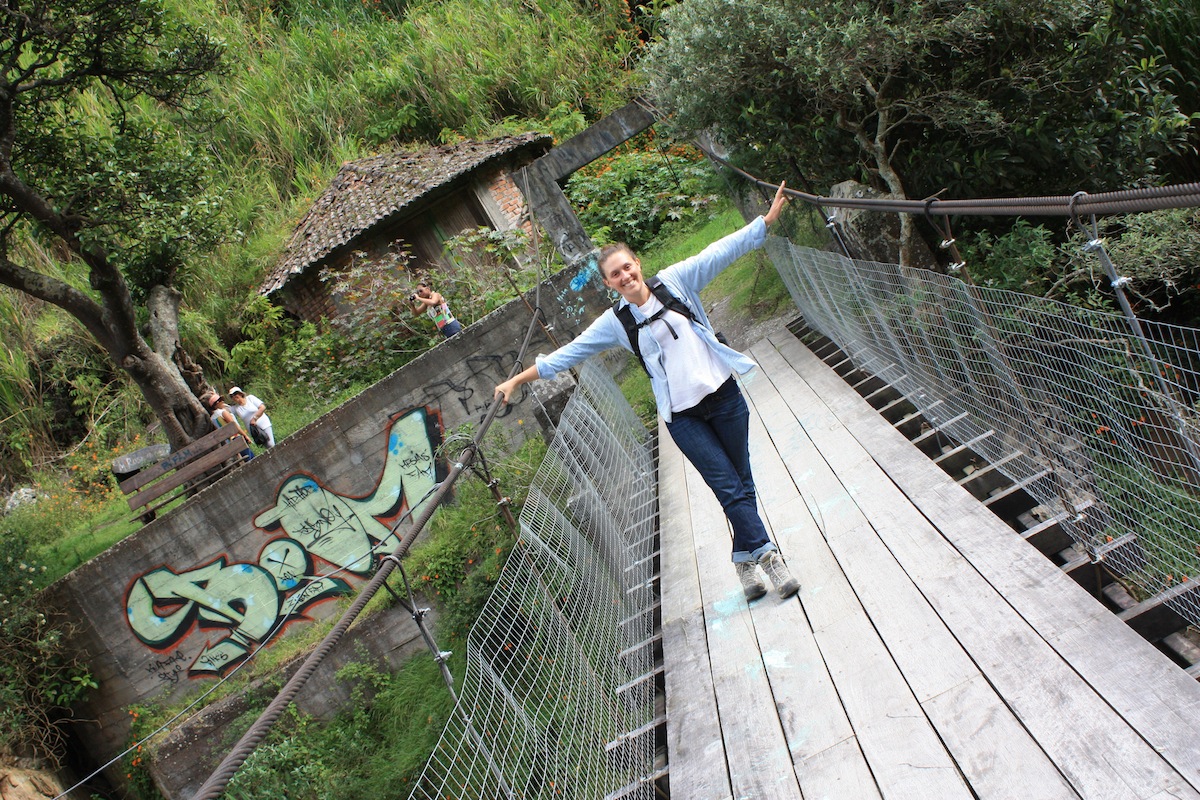
We had a poke around town on our first day. The town is situated beside the Pastaza River valley which means plenty of bridges and dramatic views down and along the river.

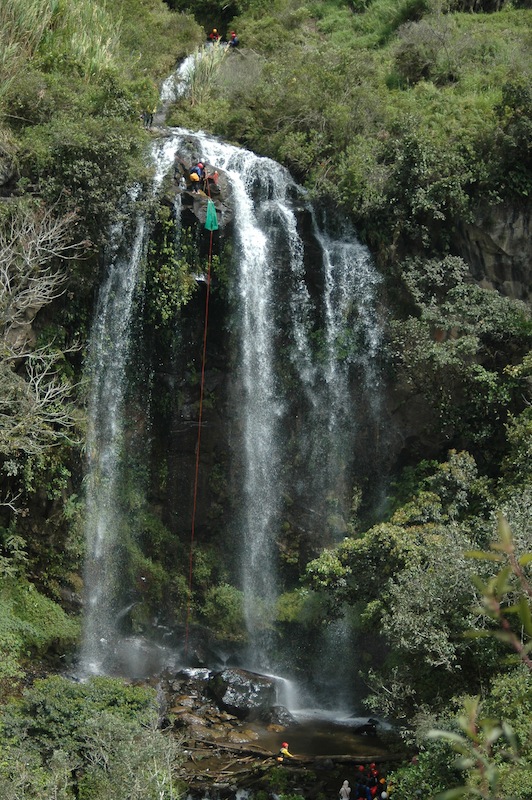
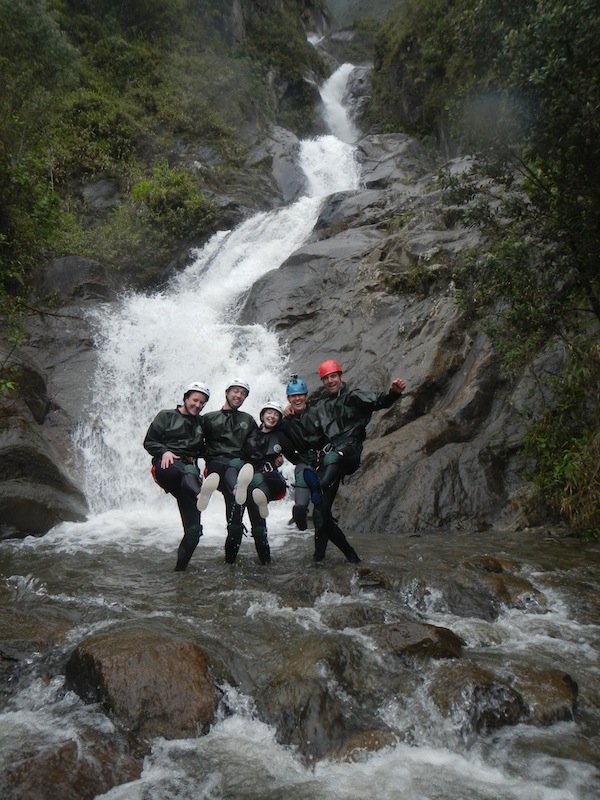
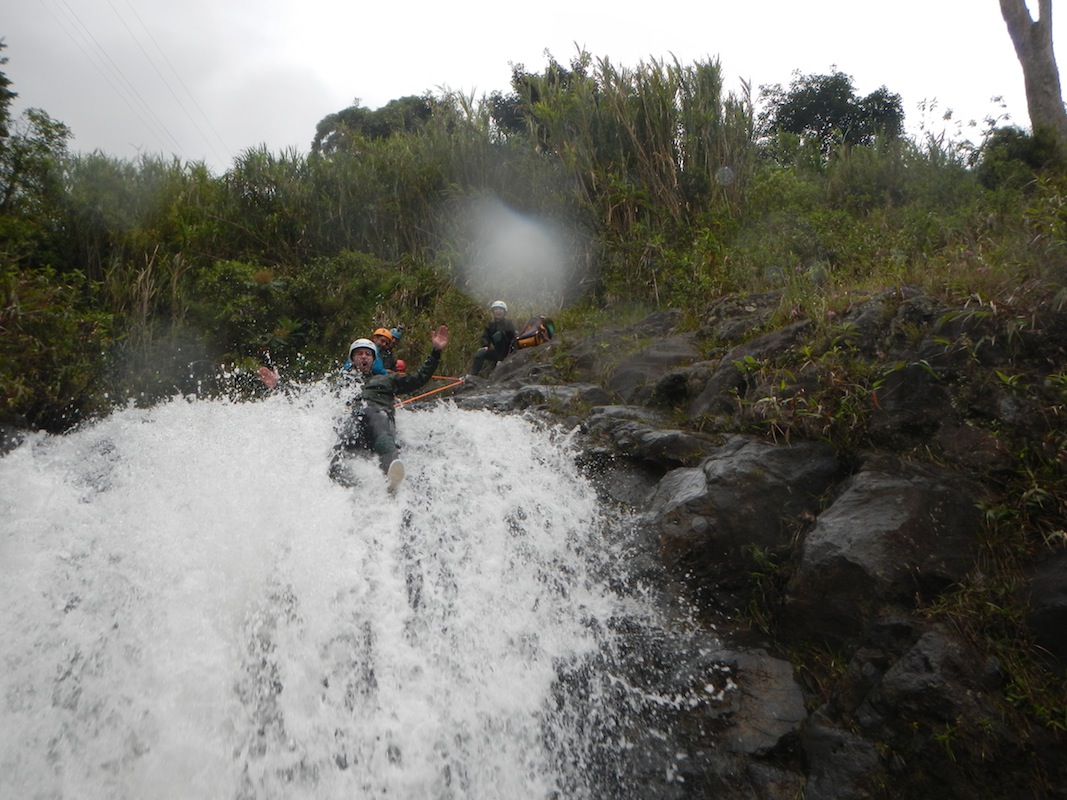
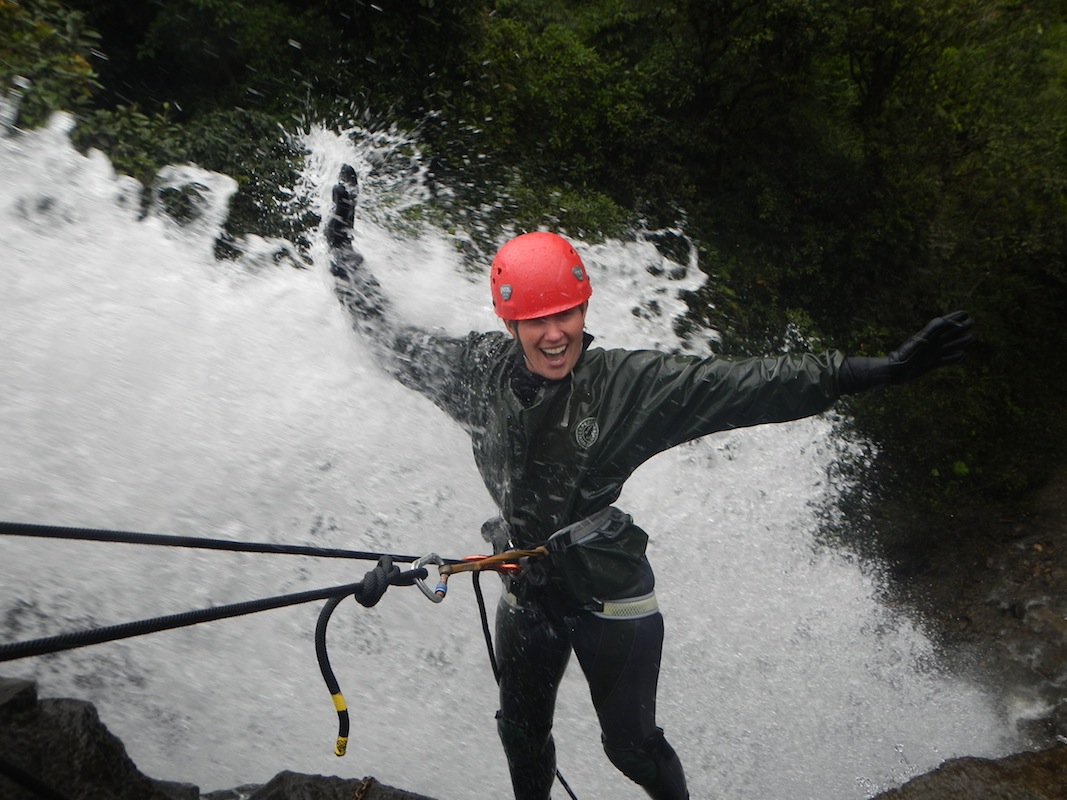
Touring around town, it became immediately clear that we would not be leaving Baños without some waterfall rappelling. The canyoneering signs around town were baiting George and he took the bait. We choose a half day option which had us rappelling down 4 waterfalls, the biggest of which was a 40 meter drop.

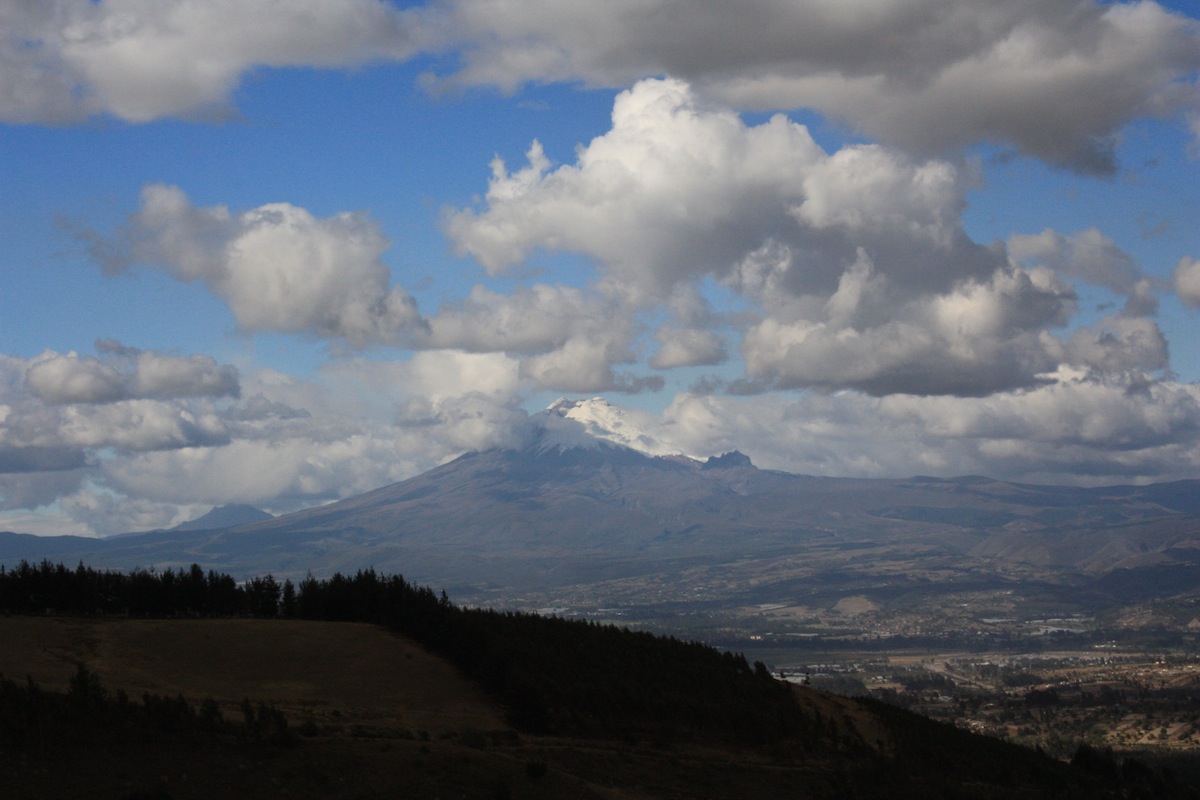
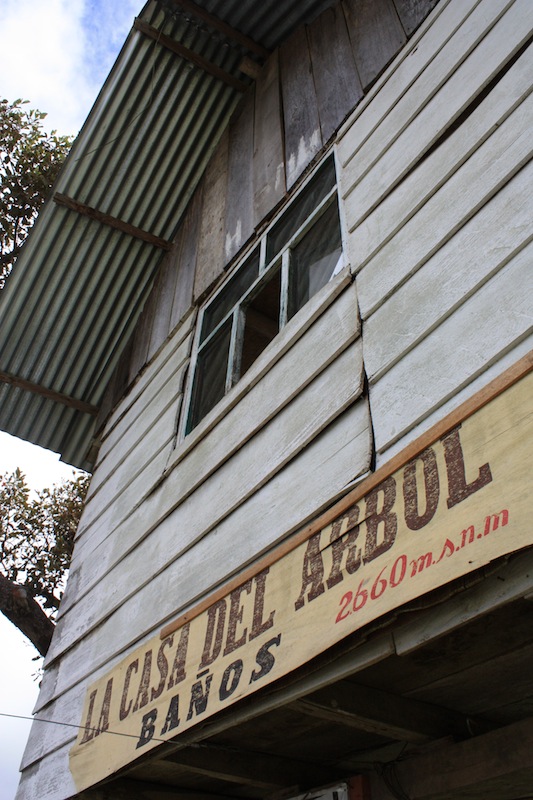
High above the city sits La Casa Del Arbol with a view of Tungurahua Volcano. Because of cloud cover, it’s rare that you can actually see the volcano. I took a ride on the less than stable tree house swing and then G and I headed up the tree for the views. That was definitely the right order to do things. After seeing the swaying branch the swing was suspended from, there was no way I was getting back on it.
We went to collect Vida after the swinging and immediately realized there was a problem. The engine would stall when it was idling. I had a hundred questions for George, but he had his concerned about the car face on, so I decided to keep my mouth shut. He then passed on a little gem to me – apparently the breaks don’t work on the truck when the engine cuts out? We were just about to descend 845 meters into town. George made the call to go ahead without calling for help. The plan to keep the brakes working was to continually rev the engine so it didn’t stall. As I white knuckled our door handle, George finessed the the gas and brakes while rolling down the hill in neutral.

The truck has been running fine since the minor scare, but we are loading up a friend coming to visit with spare parts.

Driving the Quilotoa Loop: surprise encounters and a heart pounder hike

My anxiety had been growing for several weeks every time I got in the truck with George. We have an ever expanding laundry list of to-dos on the truck which we were not coping with very well. The laundry list was manifesting as an angry Bulgarian driver.

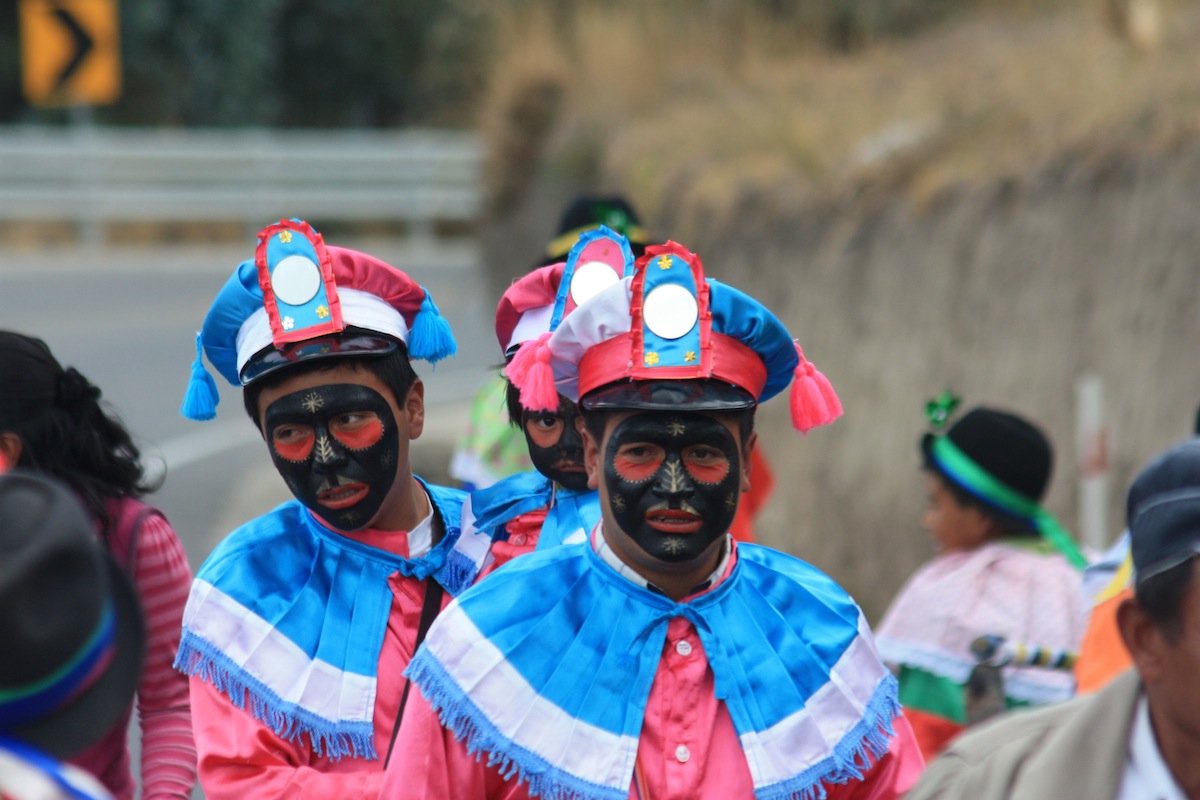
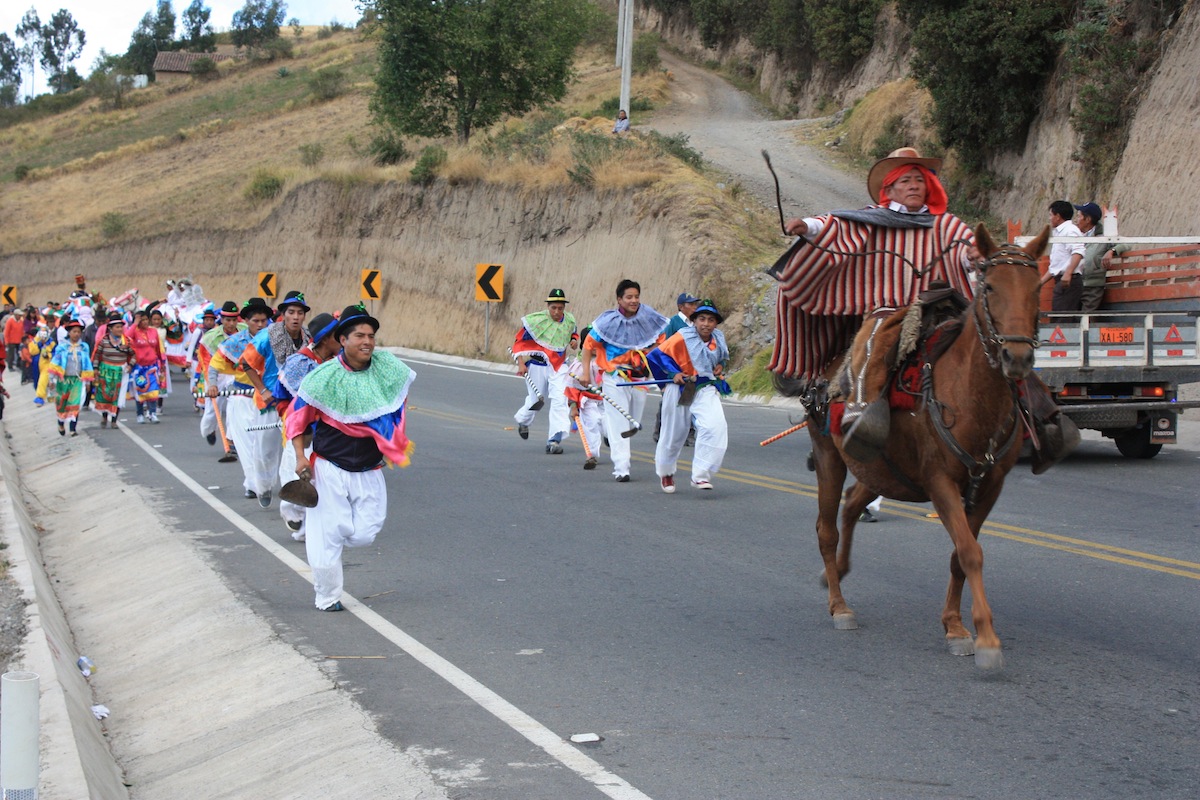
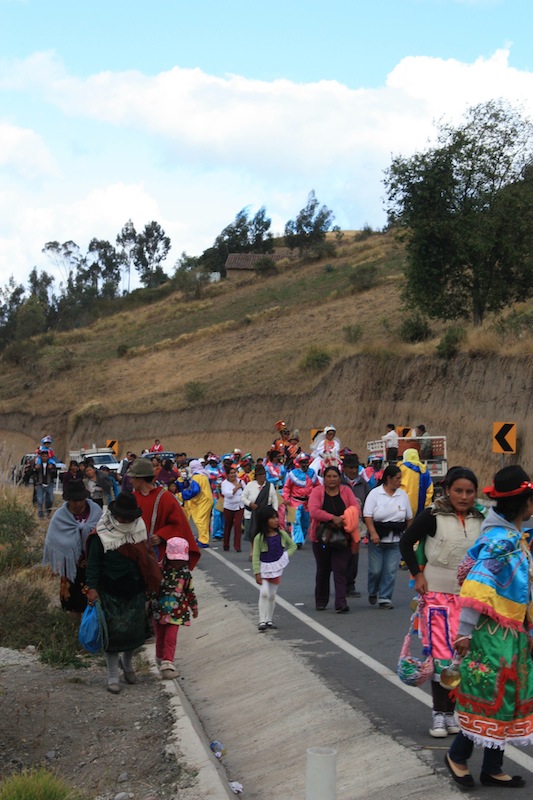
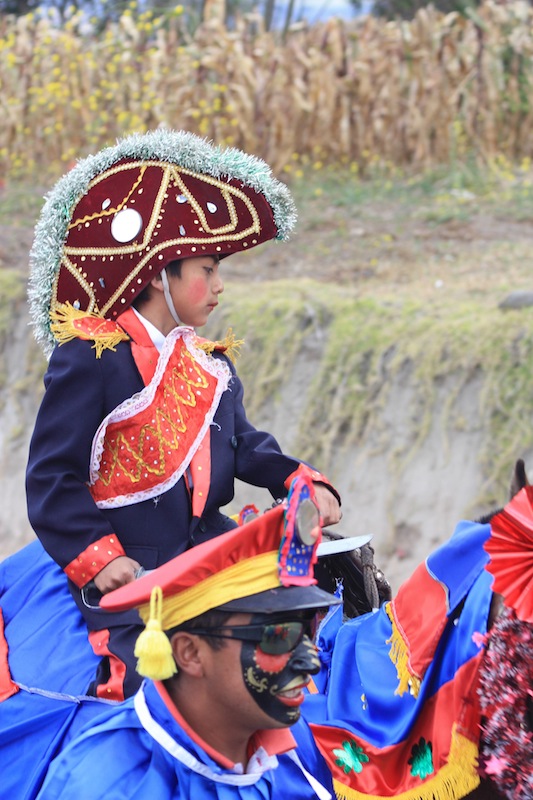
Many backpackers hike between the towns on the Quilotoa loop. Since we have Vida, we opted to head straight to the mid point. The drive to Chugchilán on the loop started well with a chance encounter of a local celebration just outside of Latacunga. We were quickly offered a shot of the local liquor by some friendly face-painted gentleman. I squelched my usual internal warning alarm and embraced local custom by drinking out of the communal cup.

After enjoying the festivities for a little while, we got on our way. As the road degraded, so did George’s mood. He heard a new noise that could be the transmission. His tone implied – why had you brought us down this shitty road Teresa? I asked him to stop yelling at me. George replies that he is not yelling at me, just yelling. Hmm, right then.

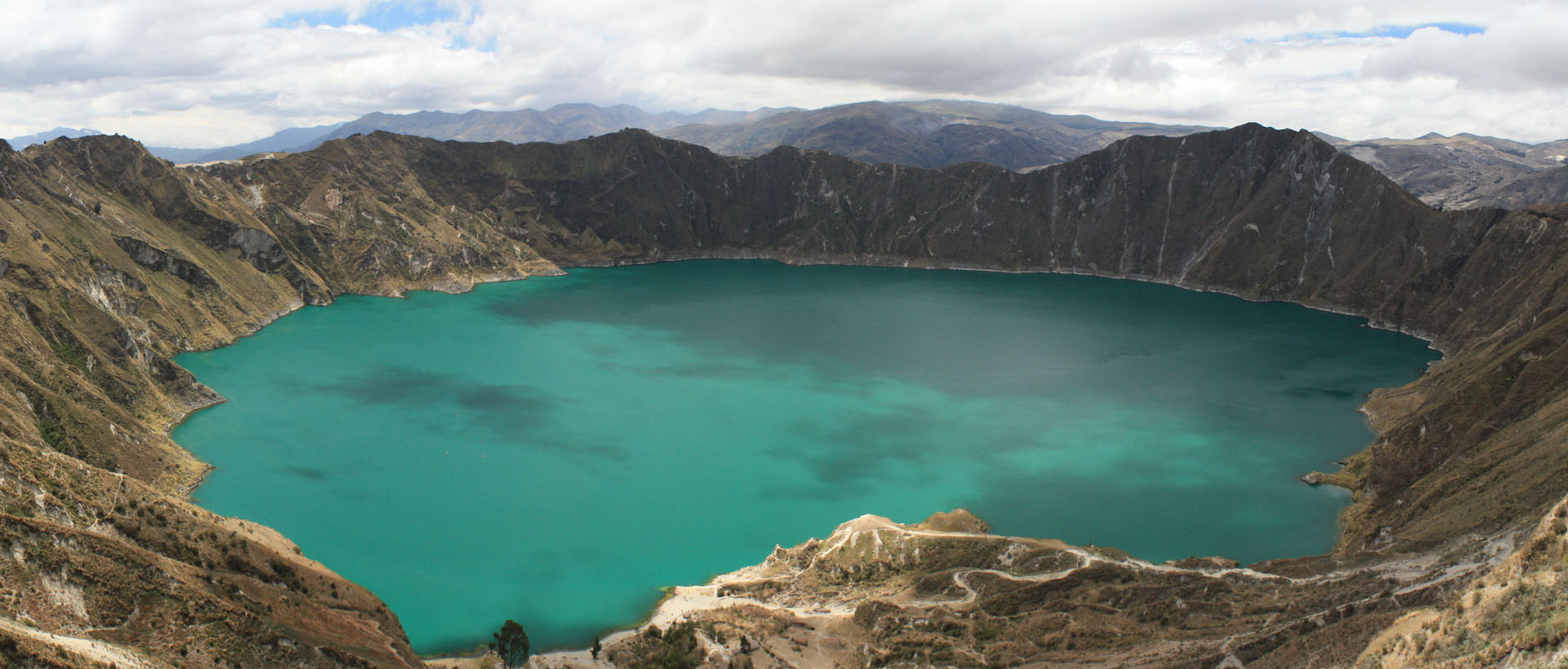
Lucky for me, Hostal Cloud Forest where we were staying provided two meals a day. With some pork and beer for dinner and a good nights sleep, the laundry list of fix-it items once again seemed attainable and our transmission had not blown up. We enjoyed the beautiful views and lush setting of the hostal the next day before heading to Quilotoa crater lake.

quilotoa_panoramic_sm

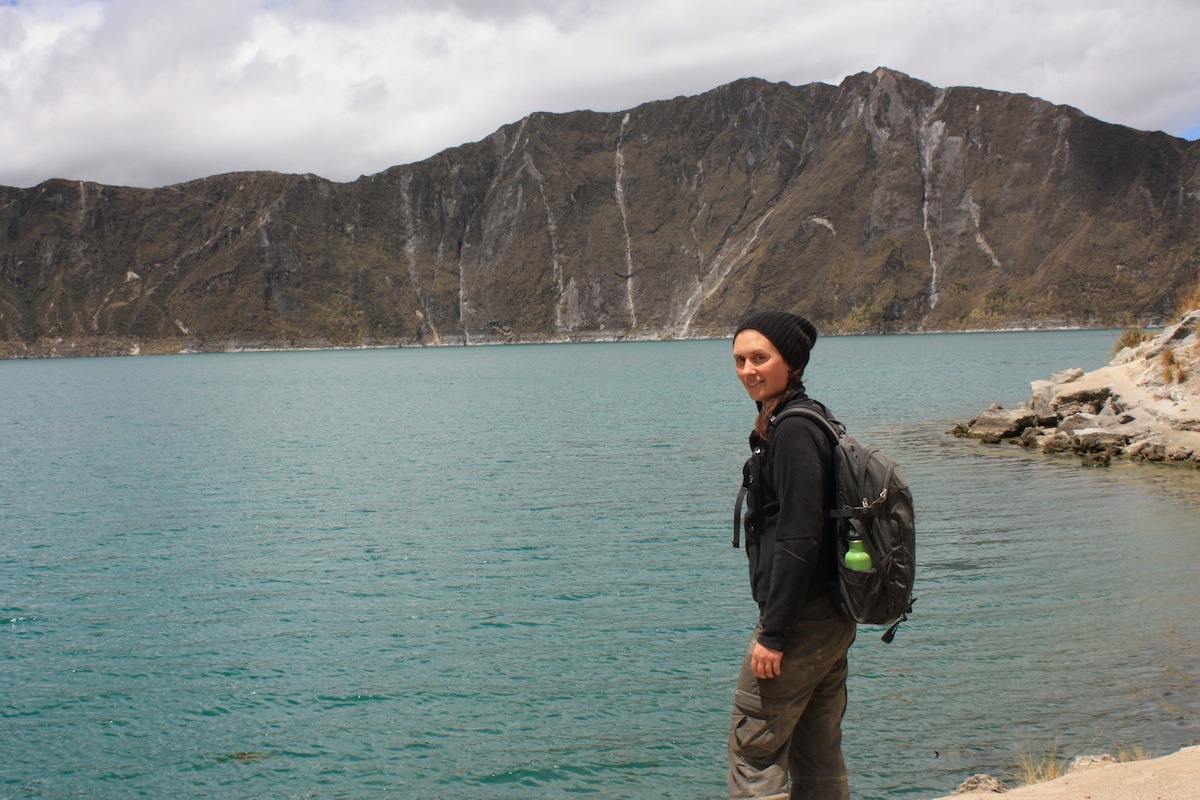
It is my personally opinion that hikes that end with the harder part, in this case hiking out of the crater, are no good. I’ll admit that my favorite part of hiking is the feeling I get when I start walking back down. The lake draws you in quickly though. You’ve committed before you realize how f$%king dusty it is, how annoying donkeys running on a trail can be, and how heart pounding the climb back up will be.

Ok, I’m beging dramatic. It’s a quick 30 minute walk down (~400 meters). Thankfully, the sand is actually kind on your knees and the donkeys are only a minor annoyance. The lake is stunning, you have a snack, and then you climb back out in about 1 hour 15 minutes.

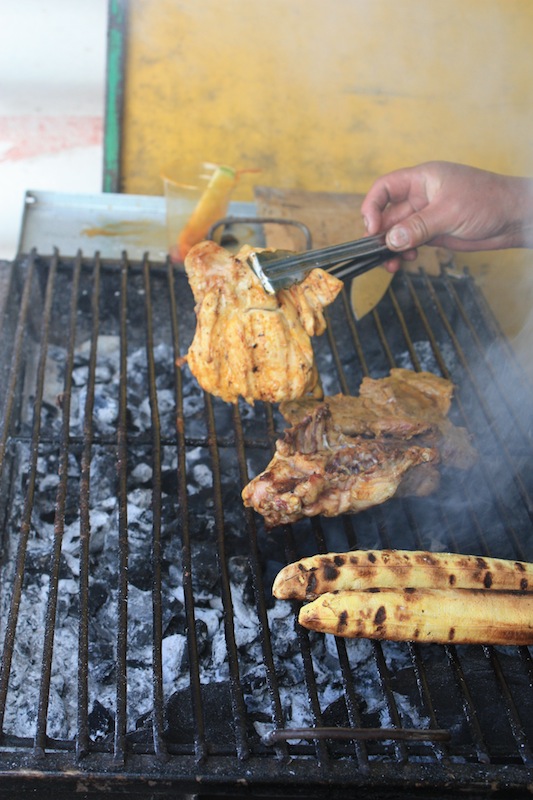
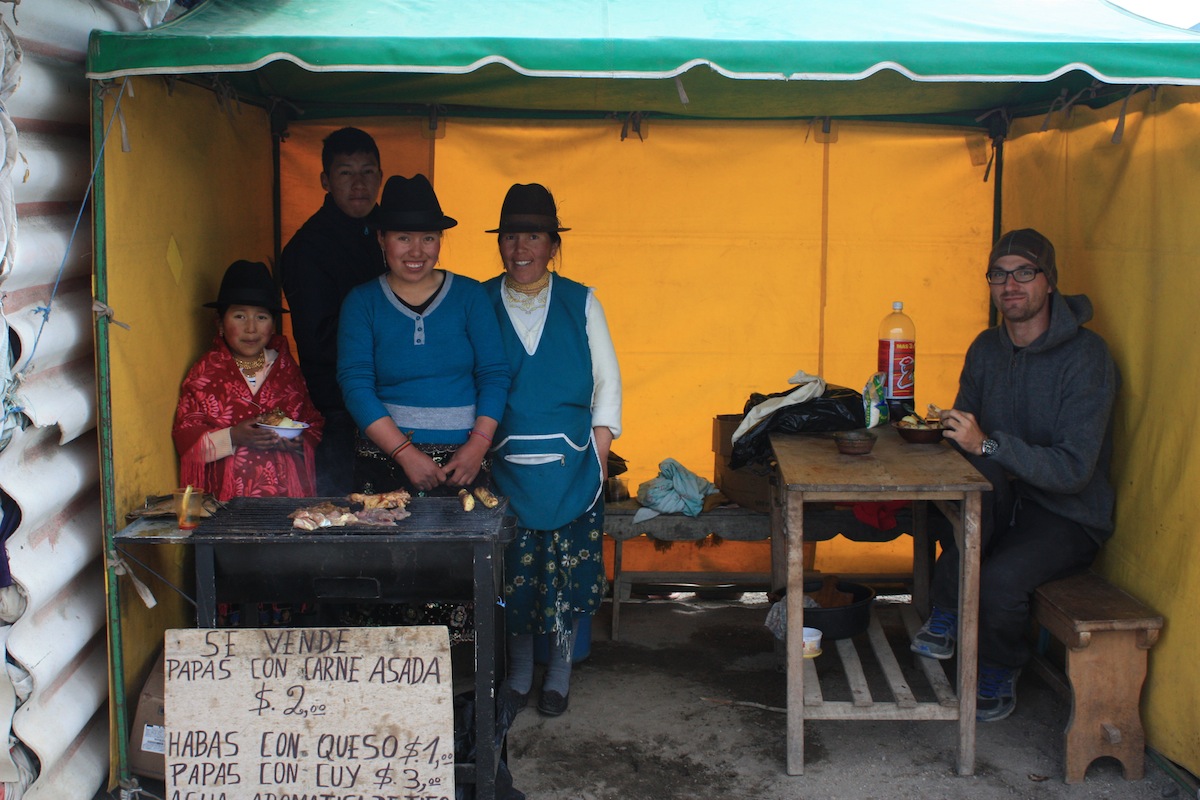
After reaching the top, G was drawn in by the aroma of grilled meat. We swung by a local food stand where G ordered papas con pollo (potatoes with chicken). The potatoes come first in the Andes. We not only got a bowl of good food but some good conversation with a local family.


Playing catch up

It’s no secret that George and I took a month or two or six to find a rhythm. We never got around to sharing some of our most memorable earlier adventures. So, here are the stories. Enjoy!

Denali: big and beautiful

Denali: big and beautiful

Chena Hotsprings – if at first you don’t succeed…

Chena Hotsprings – if at first you don’t succeed…

To the Top of the World!

To the Top of the World!

Dawson City

Dawson City

The call it 'Tuk'

They call it ‘Tuk’

alaska_highway

The Alaska Highway – the road the war built


Camp Cooking: Bannock

I pulled this recipe of some Boy Scout recipe site (I was getting desperate for inspiration, don’t judge). Most Bannock recipes you come across use solid fats (lard or shortening) which I’m neither interested in using or would ever in a million years carry with us. So I hunted a recipe down with regular old vegetable oil.

IMG_2183

Ingredients:
4 cups flour
4 teaspoons baking powder
1 teaspoon salt
4 tablespoons vegetable oil
1 1/2 cup water

Mix ingredients and add water in slowly until you have a doughy consistency. It may seem like you don’t have enough water, but you probably do. Just start needing.
Knead for approximately 10 minutes (or if you’re lazy like me, 2 minutes of high intensity kneading).
Grease and heat a frying pan.
Form and press the dough into cakes. I would say the cakes should be the diameter of a hockey puck and maybe 1/2 an in thick. You can also just divide the dough into 12 – 16 cakes and take the mental math out of equation.
Lay the bannock in the frying pan.
As the bannock cooks, move the cakes around so they don’t stick.
When the bottom crust has formed and is browned, flip the cakes over.
Cooking takes about 12 minutes. This is really so dependent on your cooking setup and altitude. Don’t time them, watch them.

Makes 12-16 bannock cakes.